The main difference between an Endler vs guppy is that Endlers are hyperactive, hardy nano fish with sharp metallic patches suited for 5-gallon tanks, whereas fancy guppies grow significantly thicker with massive, flowing blended tails and require at least 10 gallons due to their slower swimming and heavy breeding.
Endler vs guppy confuses many beginners staring at a pet store tank. They look alike, but they don’t live exactly the same. Curious which fits your tank, budget, and routine?

Quick ID guide: how to tell endlers from guppies at a glance
Telling these two fish apart is easier than you think. When you look closely at the tank, a few key physical traits stand out right away. You do not need to be an expert to spot the differences if you know what to check.
Body Shape and Size
The first thing you will notice is the overall size. Endlers are much smaller and have a very slim, torpedo-like shape. On the other hand, guppies are thicker and grow larger. A male guppy looks bulky compared to a tiny male Endler.
Tail and Fin Styles
The tail fins give away a lot of clues. Fancy guppies are famous for their massive, flowing tails that look like fans or skirts. Endlers have much shorter, clear tails. However, male Endlers often show bright colored stripes on the top and bottom edges of their clear tails, creating a double sword look.
Color Placement
Colors also help you tell them apart fast. Guppies usually have solid, swirling, or spotted colors all over their bodies and fins. Endlers look totally different. They feature sharp, glowing patches of neon orange, light green, and deep black. Their colors look like bright metallic shapes painted onto a clear or silver body, rather than the blended colors of a guppy.
Adult size and body shape compared
Size is one of the biggest differences between these two popular fish. If you put them side by side, you will quickly see that they do not match up. Guppies are built much thicker, while Endlers stay very tiny their whole lives.
How Big Do Males Get?
Male guppies usually grow to about 1.5 to 2 inches long. They have deeper chests and overall thicker bodies. On the other hand, male Endlers are true nano fish. They almost never grow past 1 inch, and most stay around 0.8 inches. They are very slender and shaped almost like a tiny torpedo.
Comparing the Females
The females of both types are always bigger than the males, but the size gap still exists. A female guppy can easily reach up to 2.5 inches and gets very round, especially when carrying fry. A female Endler tops out around 1.5 to 1.8 inches. She has a much slimmer profile and does not get nearly as bulky as a female guppy.
The Illusion of Size
It is not just the actual body length that makes guppies look bigger. The heavy, flowing fins of a fancy guppy add a lot of extra volume. Because Endlers have short, tight fins, their bodies look even more compact and streamlined as they dart around the tank.
Color patterns: wild endlers vs fancy guppies
Guppies and Endlers display color in totally different ways. Their patterns show clear differences that make them easy to tell apart in a tank.
Fancy Guppy Blended Colors
Breeders have worked with guppies for decades to create massive, flowing colors. Fancy guppies often have solid, blended, or snakeskin patterns that cover their entire body and fins. You will see smooth mixes of red, blue, purple, and yellow. Their colors flow together like mixed paint on a canvas, leaving almost no clear space on the fish.
Wild Endler Metallic Patches
Wild-type Endlers do not have blended colors at all. Instead, they feature sharp, metallic patches. You will easily spot bright neon orange, glowing green, and deep black spots. These bright colors sit on top of a clear or silver base body. It looks like someone painted bright geometric shapes onto the fish.
The Classic Black Marking
One very unique feature of many male Endlers is a dark black stripe or comma shape on their side. This black bar is a classic wild trait that helps them show off to females. Fancy guppies almost never have this sharp, distinct black mark on their sides.
Temperament and activity in community tanks
Both of these fish bring a lot of life to a community tank. They are peaceful and get along well with other small fish. However, when you watch them swim side by side, their energy levels are actually quite different.
Guppy Behavior
Guppies are active, but they swim much slower. Because male guppies have huge, heavy tails, they cannot dart around quickly. They usually glide near the top or middle of the tank. Their slow swimming makes them an easy target for tankmates that like to nip fins. You must be careful to keep them with very gentle tankmates.
Endler Activity Levels
If you want non-stop energy, Endlers are the way to go. They are extremely fast and hyperactive. Because they do not have large fins to drag them down, they dart around the whole tank all day. You will see them boldly exploring plants, swimming through filter currents, and checking out every corner of the aquarium.
Chasing and Mating Ratios
Both types share one major habit. The males will constantly chase the females around the tank. This endless attention can easily stress the females out and make them sick. To fix this, you should always keep two or three females for every male. This simple rule spreads out the chasing and keeps the whole community peaceful.
Tank size, water parameters, and filtration
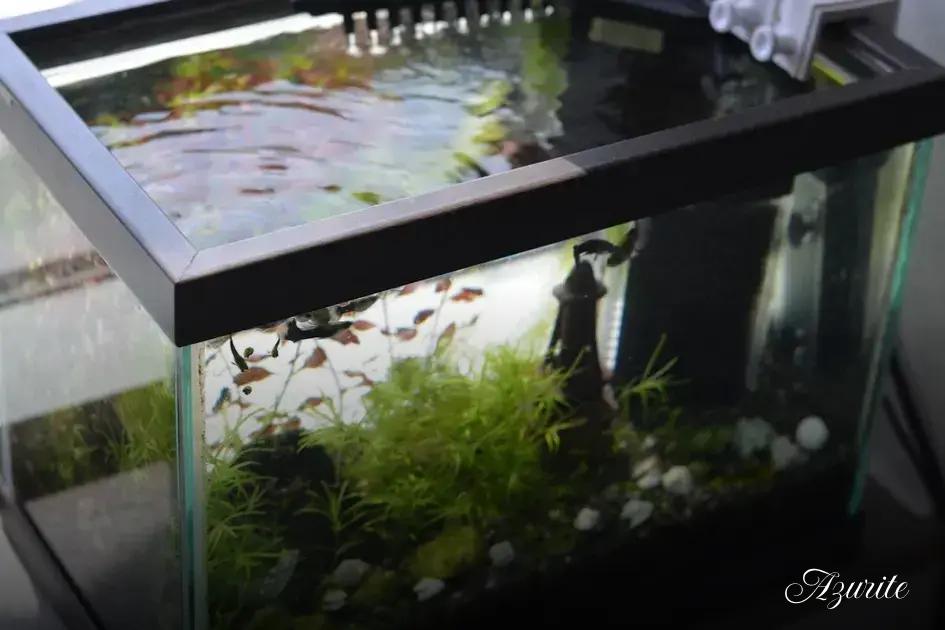

Setting up the right home for these fish is simple, but they have slightly different space requirements. Knowing these details helps you build a healthy environment from day one.
Minimum Tank Size
Because guppies grow larger and breed very quickly, they need more room to swim. You should keep them in a 10-gallon tank at the very least. On the other hand, Endlers are perfect for smaller setups. Since they are true nano fish, a small group of males can live happily in a 5-gallon tank.
Ideal Water Parameters
Both of these livebearers thrive in hard water with plenty of minerals. You should aim for a pH level between 7.0 and 8.0. They also need warm water to stay active and healthy. Keeping your aquarium heater set between 74 and 82 degrees Fahrenheit works perfectly for both types. If the water is too soft or acidic, their health will drop fast.
Choosing the Right Filter
Clean water is vital, but you must be careful with the water flow. Fancy guppies have heavy tails that make it hard for them to swim against strong currents. A powerful filter will quickly exhaust them. A simple sponge filter is the best choice for both fish. It keeps the water perfectly clean, creates a gentle flow, and stops tiny babies from getting sucked inside.
Diet and feeding routines that work for both
Feeding these livebearers is very easy because they are not picky eaters. Both of these fish are omnivores, which means they need a healthy mix of meat and plant matter to stay active and bright.
Choosing the Right Staple Food
A high-quality flake food or micro pellet is the best daily base for their diet. However, you must pay close attention to the size of the food. Because Endlers have incredibly tiny mouths, normal pellets might be too big for them to eat. You should crush flakes into smaller pieces or buy specific nano fish foods to make sure everyone in the tank gets a good bite.
Adding Protein for Bright Colors
If you want to see their true metallic shines and deep colors, you need to add extra protein to their routine. Feeding them frozen or live treats like baby brine shrimp, daphnia, or crushed bloodworms a few times a week works perfectly. These meaty treats mimic what they naturally hunt in the wild and help keep their immune systems strong.
The Safest Feeding Schedule
It is very easy to overfeed small aquarium fish, which can quickly ruin your water quality. You should only feed them an amount they can completely finish in about two minutes. Giving them small meals one or two times a day is much safer than one giant meal. This routine keeps them full without leaving rotten food on the bottom of the tank.
Breeding behavior, fry numbers, and population control
Both of these fish give birth to live swimming babies instead of laying eggs. If you have males and females in the same tank, you will soon have a lot of babies, also known as fry. However, the way they handle their young is quite different.
Fry Numbers and Brood Sizes
Female guppies can drop a huge number of fry at once. A healthy, fully grown female guppy can give birth to 30 to 50 babies every single month. Endlers have much smaller broods. A female Endler usually drops only 10 to 20 fry at a time. Because of this, a guppy population will explode much faster than an Endler population.
Eating Their Own Young
Guppies are famous for eating their own babies. If you do not provide enough hiding spots, adult guppies will quickly hunt down the newborn fry. On the flip side, pure Endlers rarely eat their young. You will often see tiny Endler fry swimming right next to the adults without any fear of being eaten.
Managing the Population
Because both fish breed so quickly, your tank can run out of space in just a few months. The easiest way to stop this is to keep a males-only tank. If you do want to keep females, you must plan ahead for the babies. You can add dense plants like Java moss for the fry to hide in, or you can share the extra fish with local pet stores and friends to keep your tank safe and clean.
Hardiness and disease risks: what beginners should watch
When you are new to keeping fish, you want pets that can handle a few small mistakes. There is a massive difference in how tough these two fish are, mostly due to how they have been raised and bred over the years.
The Fragile Fancy Guppy
People have bred fancy guppies for decades to get huge tails and bright colors. Sadly, this constant breeding has made their immune systems quite weak. Fancy guppies get sick easily if the water gets dirty or the temperature drops. They are especially prone to fin rot, because their massive, heavy tails can easily tear on tank decorations or get nipped by other fish.
The Tough Wild Endler
Endlers are much closer to their wild ancestors. Because they have not been heavily bred for crazy shapes, their bodies are incredibly strong. They can survive minor changes in water quality much better than a guppy can. If you are setting up your very first tank, an Endler is a much safer and hardier choice.
Common Signs of Sickness
Even tough fish can get sick. You should always check both types of fish for tiny white dots on their skin, which is a very common parasite called ich. Also, watch out for fish that hide at the bottom of the tank or clamp their fins tightly against their bodies. To stop these diseases before they start, always keep up with your weekly water changes and never skip cleaning your filter.
Compatibility with shrimp and small tankmates
Both of these livebearers are very peaceful and do not attack other fish. This makes them perfect for a friendly community tank. However, their size differences mean you must choose their tankmates carefully to keep everyone safe.
Keeping Them With Dwarf Shrimp
Many aquarium keepers want to mix these fish with bright red cherry shrimp. Because guppies are larger, they have bigger mouths. An adult guppy will gladly eat baby shrimp and might even peck at smaller adults. On the other hand, Endlers are much safer for shrimp tanks. Their mouths are incredibly tiny. While they might still hunt a tiny newborn shrimp, the adult shrimp are completely safe around them.
The Best Fish Tankmates
You should always look for other peaceful, small fish to share the space. Great choices include neon tetras, rasboras, and corydoras catfish. Bottom dwellers like mystery snails and small loaches also work perfectly. Since Endlers and guppies spend most of their time near the top or middle of the tank, bottom feeders will not compete with them for swimming room.
Tankmates You Must Avoid
You have to be extremely careful if you keep fancy guppies. Fast, nippy fish like tiger barbs love to bite long, flowing fins. These fin nippers will quickly tear a male guppy’s tail to shreds. Endlers do not have this problem because their fins are short and tight against their bodies. However, Endlers are so small that big fish might swallow them whole. Always avoid keeping either of these fish with large, aggressive cichlids.
Cost, availability, and sourcing without hybrids


When you are ready to buy these fish, you will notice big differences in how much they cost and how easy they are to find. Because they are so popular, you can buy guppies almost anywhere, but finding true Endlers takes a bit more effort.
Price and Store Availability
You can walk into almost any local pet store and find a huge tank full of fancy guppies. They are heavily bred and very cheap, often costing just two to four dollars each. Endlers are much harder to find in big chain stores. You usually have to visit specialty aquarium shops or buy them from breeders online. Because they are less common, purebred Endlers often cost five to ten dollars per fish.
The Hybrid Problem
If you put guppies and Endlers in the same tank, they will quickly mate with each other. This creates mixed babies known as hybrids. Many stores sell these hybrids labeled as pure Endlers simply because they have some metallic spots. If you want the true, hardy wild-type fish, you must be very careful about where you spend your money.
Finding Pure Strains
To make sure you get a pure fish, you should look for breeders who sell Class N Endlers. This special label proves that the fish can be traced all the way back to their wild ancestors in Venezuela. Buying from dedicated online breeders or local aquarium clubs is the safest way to avoid accidental guppy hybrids and protect the pure bloodline in your home tank.
Which Livebearer is Right for Your Aquarium?
Choosing between an Endler and a guppy comes down to the size of your tank and what kind of look you want. If you love huge, flowing fins and blended colors, the classic fancy guppy is a fantastic choice for a 10-gallon tank.
However, if you have a smaller nano tank and want a hyperactive, incredibly hardy fish, the wild-type Endler is the clear winner. Their bright metallic colors and tough immune systems make them perfect for both beginners and experienced aquarium keepers.
Both of these peaceful fish will bring plenty of life and action to your home. No matter which one you choose, providing clean water, a good diet, and the right tankmates will keep your fish healthy and happy for a long time.
FAQ – Frequently Asked Questions about Endlers vs. Guppies
Can I keep Endlers and guppies in the same tank?
Yes, they can live together peacefully, but they will interbreed. If you want to keep pure strains and avoid hybrid fry, it is best to keep them in separate tanks.
What is the minimum tank size for an Endler vs a guppy?
Endlers are smaller nano fish and can thrive in a 5-gallon tank. Guppies grow larger and breed quickly, so they need at least a 10-gallon aquarium.
Which fish is better for a beginner aquarium?
Endlers are generally better for beginners because they are much hardier and less prone to diseases like fin rot, whereas fancy guppies have weaker immune systems due to heavy breeding.
Do Endlers eat their own babies like guppies do?
Unlike guppies, which are famous for eating their newborn fry, pure wild-type Endlers rarely hunt their young. You will often see Endler fry swimming safely alongside the adults.
Why are my guppy’s fins getting ripped, but my Endlers are fine?
Fancy guppies have large, heavy tails that make them slow and easy targets for fin-nipping tankmates. Endlers have short, tight fins and swim much faster, easily escaping nippy fish.
What should I feed my Endlers and guppies?
Both are omnivores and thrive on high-quality flake food or micro pellets mixed with protein treats like baby brine shrimp. Just make sure to crush the food for Endlers, as their mouths are much smaller.