Seachem Prime is the ideal water conditioner for efficiently detoxifying ammonia, neutralizing chloramine, and treating large aquariums, whereas API Stress Coat utilizes natural aloe vera to soothe minor injuries and safely repair the protective slime coat of stressed or newly purchased fish.
Water conditioner choices can feel tricky when fish look stressed after a water change. Curious which bottle truly keeps them safer?

What each conditioner actually does in tap water
When you fill a bucket from your sink, that tap water is not safe for fish. Cities add chemicals to keep our drinking water clean. These chemicals are usually chlorine and chloramine. If you put fish right into this water, it burns their gills and causes a lot of stress.
A good water conditioner fixes this problem instantly. Both Seachem Prime and API Stress Coat step in to make tap water safe, but they do it in slightly different ways.
How Seachem Prime Works
Seachem Prime is famous for being a heavy hitter. It quickly removes chlorine and breaks the bond in chloramine. But it goes a step further. Prime binds to ammonia, nitrite, and nitrate, making them safe for about 48 hours. This gives your biological filter time to catch up. It does not remove these toxins completely, but it stops them from hurting your fish.
How API Stress Coat Works
API Stress Coat also removes chlorine and breaks down chloramine to make the water safe. However, its main trick is different. Instead of focusing on ammonia, it adds aloe vera to the water. This natural ingredient helps replace the natural slime coat on your fish. This coat acts like a shield against disease and stress.
Both products will stop tap water from harming your tank. Understanding what each bottle actually does helps you decide which extra features your aquarium needs the most.
Seachem Prime dosage, detox claims, and when it matters
Seachem Prime is very strong, which means a little goes a very long way. The standard seachem prime dosage is just one capful, or 5 milliliters, for every 50 gallons of water. If you have a smaller setup, you only need to use two drops per gallon. Because you use so little each time, a single bottle lasts a very long time, making it a favorite for people with big tanks.
Understanding the Detox Claims
One of the biggest reasons aquarists choose Prime is its ability to detoxify dangerous chemicals. When ammonia or nitrite levels spike, Prime binds to these toxins. It changes them into a safe, non-toxic form for up to 48 hours. It is important to know that it does not magically remove these chemicals from your tank. Instead, it acts like a temporary shield, protecting your fish while your biological filter does the hard work of eating the waste.
When This Feature Really Matters
This detox feature is extremely helpful in a few specific situations. If you are doing a “fish-in cycle” for a brand new tank, ammonia levels can jump up fast. Adding Prime keeps your fish safe during this stressful time. It is also very important if your city uses chloramine to treat tap water. When a water conditioner breaks down chloramine, it leaves a little bit of ammonia behind. Prime locks up that leftover ammonia instantly, keeping the water perfectly safe for your fish.
API Stress Coat: aloe vera benefits and limits
API Stress Coat stands out from other products because it uses aloe vera for fish. This natural plant extract works to heal damaged tissue and reduce fish stress. When you catch fish in a net or do a big water change, their sensitive outer layer can get easily scraped. The healing properties of aloe vera help soothe these minor injuries quickly.
How Aloe Vera Protects Your Fish
Every healthy fish has a slippery outer layer that stops bad bacteria from making them sick. Stress Coat is famous as a reliable slime coat repair treatment. It safely covers the fish in a smooth, protective layer. This is incredibly helpful when you bring new fish home from the pet store or if they have been fighting in the tank. The aloe acts almost like a gentle liquid bandage for your aquatic pets.
Understanding the Limits
While it is wonderful for healing, any fair water dechlorinator comparison must mention its limits. Unlike heavy-duty detoxifiers, API Stress Coat does not lock up harmful ammonia or nitrites for 48 hours. If your aquarium is brand new and still cycling, this product will not shield your fish from an ammonia spike. Additionally, you need to use five milliliters for every ten gallons of water. Because the dose is larger, you will likely empty the bottle much faster than highly concentrated brands.
Speed and effectiveness in chloramine-heavy water
Many cities now use chloramine instead of regular chlorine to treat tap water. Chloramine is a strong mix of chlorine and ammonia that stays in the water much longer. When you do a water change, you need a product that works very fast to break this chemical bond before it harms your fish.
How Fast They Break the Bond
Both Seachem Prime and API Stress Coat are very fast at breaking the chloramine bond. The moment you mix them into your bucket, they neutralize the chlorine part almost instantly. This speedy reaction is a key point in any water dechlorinator comparison, ensuring your tap water is quickly safe enough to enter the tank.
Handling the Leftover Ammonia
The real difference shows up after the bond is broken. Breaking chloramine releases free ammonia directly into your water. API Stress Coat leaves this ammonia for your aquarium filter to clean up. If you have a fully cycled tank, your good bacteria will usually handle this without an issue. However, Seachem Prime takes an extra step. It immediately binds to that leftover ammonia, locking it away safely for up to 48 hours. If your city has very chloramine-heavy water, this extra protection stops your fish from breathing in toxic ammonia while the filter catches up.
Slime coat repair: what’s realistic vs marketing
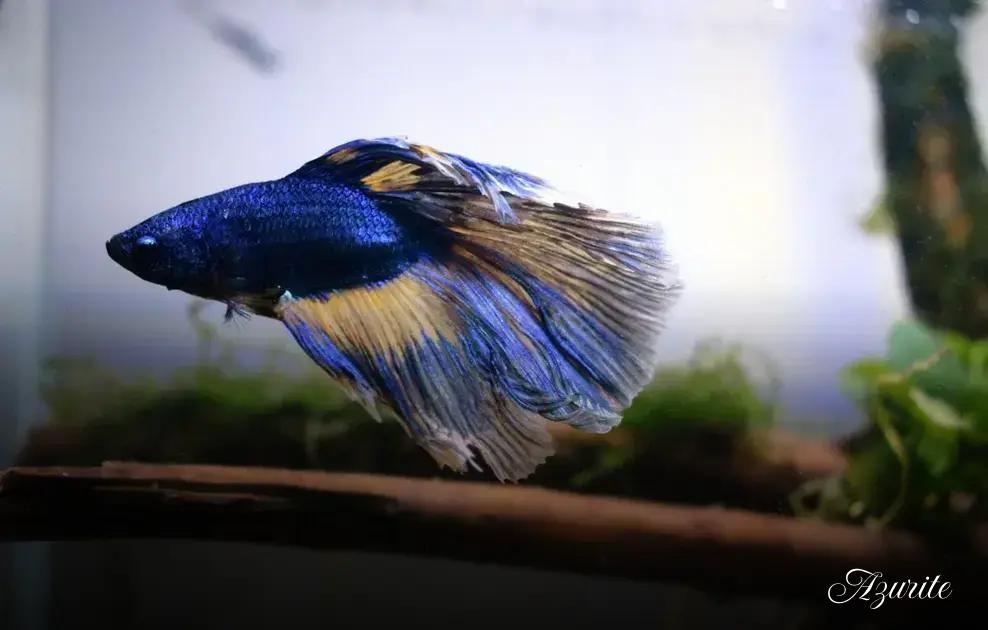

Every fish has a clear, slippery layer covering its body. This is called the slime coat. It acts like a natural shield to keep out bad bacteria, parasites, and infections. When fish fight, get caught in a net, or live in poor water, this shield can easily scrape off or break down. Companies sell products promising instant fixes, but it helps to know what is actually real.
The Truth About Healing Aloe Vera
API Stress Coat is very popular because it uses aloe vera for fish. Advertisements sometimes make it sound like pure magic. The reality is a bit more practical. The aloe vera acts like a soothing liquid bandage. It covers up the scraped areas on the fish. It does not instantly grow a brand new coat, but it protects the sore spots while the fish heals naturally. This makes it a great choice for realistic slime coat repair after you bring new fish home.
How Seachem Prime Helps the Coat
Seachem Prime takes a completely different path. It does not use plant extracts or aloe vera. Instead, it provides specific, safe chemicals that encourage the fish to produce more of its own natural slime. While marketing might say it “promotes a slime coat,” realistically, it just gives the fish’s body a helpful boost to rebuild its own shield. Neither product is an instant cure for a sick fish, but both create a much safer environment for a stressed fish to recover.
Safety for fry, shrimp, snails, and sensitive plants
When you keep baby fish, tiny shrimp, or snails, water changes can be risky. These small creatures are very sensitive to chemicals and sudden changes. Even delicate aquatic plants can suffer if the tap water is not treated correctly. Choosing a safe product is vital for their health.
How Prime Protects Delicate Life
Seachem Prime is highly trusted for sensitive tanks. Because the seachem prime dosage is so small, it is perfectly safe for tiny cherry shrimp and fragile snails. It contains no copper or dangerous heavy metals. It also helps sensitive plants by instantly removing chlorine, which can quickly burn their soft leaves.
Is Stress Coat Safe for Invertebrates?
API Stress Coat is also generally safe for a mixed community tank. The aloe vera for fish does not harm snails or shrimp. Many invertebrate keepers use it without any issues. However, you should be careful not to overdose. Using too much of this thick liquid could potentially coat the fine leaves of delicate mosses or the tiny gills of baby fry, though this is rare.
In a direct water dechlorinator comparison, both options are excellent for planted tanks with sensitive life. Prime is often the top choice for pure safety because it leaves no extra plant matter behind in the water. Stress Coat remains a good option as long as you follow the label exactly.
Compatibility with medications, salt, and cycling bacteria
When your fish get sick, you might need to add medicines or aquarium salt to the water. It is very important to know how your water conditioner reacts to these extra treatments before you pour them in.
Using Conditioners with Fish Medicine
Mixing water treatments with medicine requires care. Seachem Prime reduces oxygen in the water slightly. If you mix it with strong chemical medications, like copper-based cures, your fish might struggle to breathe. You must always add extra bubbles or water flow if you do this. API Stress Coat is different because it uses aloe vera for fish to soothe skin. While it is great for natural healing, some fishkeepers notice that thick slime-enhancing liquids can block certain skin medications from working perfectly. Fortunately, both of these products are completely safe to use with regular aquarium salt.
How They Affect Your Good Bacteria
Your filter relies on good, cycling bacteria to keep the tank clean. A common question in any water dechlorinator comparison is whether these liquids starve those helpful bacteria. Seachem Prime locks up ammonia, making it safe for fish, but your growing bacteria can still easily eat it. API Stress Coat does not lock up ammonia at all. It simply removes the harmful chlorine, letting the bacteria eat whatever natural waste is left behind. Neither bottle will kill your good bacteria or ruin a healthy tank cycle.
Cost per gallon and how far each bottle goes
When you buy a water conditioner, looking at the price tag is only half the story. The real cost depends on exactly how many gallons one bottle actually treats. Because liquid formulas are so different, a cheaper bottle might end up costing you much more money over time.
The Value of High Concentration
The standard seachem prime dosage is incredibly small. You only need one single milliliter to treat ten full gallons of tap water. A standard 250-milliliter bottle of Prime will treat a massive 2,500 gallons. If you have a very large fish tank or do big water changes often, this high concentration saves you a lot of cash. It easily wins the value category in almost any water dechlorinator comparison.
How Far API Stress Coat Goes
API Stress Coat is much less concentrated because it includes thick natural ingredients. To make tap water safe, you must use five milliliters for every ten gallons. If you want to use its extra features for slime coat repair, you actually have to double that amount. A standard eight-ounce bottle only treats about 474 gallons. While the bottle might seem cheap at the pet store, you will empty it much faster.
Troubleshooting cloudy water, odors, or fish stress after dosing
Sometimes, treating your tap water can lead to unexpected surprises. One of the most common complaints in any water dechlorinator comparison is the smell. If you open a bottle of Seachem Prime and it smells strongly of sulfur or rotten eggs, do not worry. This strong odor is completely normal for its chemical makeup and does not mean the product has gone bad.
Dealing with Cloudy Water
If your aquarium looks completely foggy right after a water change, look closely at what you just poured in. API Stress Coat uses thick natural ingredients to help with slime coat repair. If you use a heavy dose of this aloe vera for fish, the water might turn slightly cloudy. This cloudiness is usually harmless and will clear up quickly after your filter runs for a few hours.
Why Fish Gasp at the Surface
If your fish look stressed or gasp for air at the top of the tank after you add a water conditioner, you might have an oxygen problem. Heavy water treatments can temporarily pull oxygen right out of the tank. This often happens if you accidentally double or triple the normal seachem prime dosage to fight a sudden ammonia spike. To fix this instantly, simply turn up your filter flow or drop in an air stone to push more oxygen back into the water.
When to choose Prime and when Stress Coat makes more sense
Making the right choice comes down to what your aquarium needs at this exact moment. If you have a large tank, you need a product that stretches your dollar. Because the seachem prime dosage is so highly concentrated, it is the best choice for big setups or people with multiple tanks. Prime is also the clear winner if your tank is brand new and still cycling. The ability to lock up dangerous ammonia and nitrite for 48 hours can save your fish during a sudden water quality emergency.
When API Stress Coat is the Better Choice
On the other hand, API Stress Coat is perfect for situations where healing is your main goal. Bringing new fish home from the pet store is a rough journey that can easily damage their outer layer. Using aloe vera for fish provides immediate, soothing relief for scraped scales and torn fins. This makes it the absolute best option for gentle slime coat repair when moving fish, dealing with minor fights, or setting up a small quarantine tank.
Keeping Both in Your Cabinet
In a final water dechlorinator comparison, neither product is a bad choice. In fact, many experienced fishkeepers keep both bottles under their tank. They use Seachem Prime as their primary water conditioner for large, weekly water changes to save money and safely handle heavy chloramine. Then, they reach for API Stress Coat only when treating hospital tanks or welcoming new arrivals. Your choice simply depends on whether you need a powerful chemical shield or a gentle, soothing bandage today.
Final Thoughts on Choosing the Right Water Conditioner
Choosing the best water conditioner depends on what your fish need most right now. Both Seachem Prime and API Stress Coat do a fantastic job of making tap water safe by removing chlorine and chloramine.
If you have a large tank or need to protect your fish from sudden ammonia spikes, Seachem Prime is your best friend. Its high concentration saves you money, and its powerful detox features are truly unbeatable.
However, if you are bringing new fish home or dealing with torn fins, API Stress Coat is the clear winner. The natural aloe vera provides soothing relief and easily helps rebuild that highly important protective slime coat.
In the end, keeping both bottles in your aquarium cabinet might be the smartest move. This way, you will always have the perfect tool ready to keep your underwater pets happy, safe, and completely healthy.
FAQ – Frequently Asked Questions about Seachem Prime and API Stress Coat
Does API Stress Coat lock up ammonia like Seachem Prime?
No, API Stress Coat removes chlorine and breaks down chloramine, but it does not bind or detoxify leftover ammonia or nitrites. Prime is the better choice for managing ammonia spikes.
Why does Seachem Prime smell like sulfur?
Seachem Prime has a strong sulfur or ‘rotten egg’ smell due to its highly concentrated chemical makeup. This odor is completely normal and does not mean the bottle is expired or bad.
Which water conditioner is more cost-effective?
Seachem Prime is much more cost-effective over time. Because it is highly concentrated, a single small bottle treats thousands of gallons, making it much cheaper per gallon than Stress Coat.
Is the aloe vera in API Stress Coat safe for shrimp and snails?
Yes, the aloe vera used in API Stress Coat is perfectly safe for delicate invertebrates like cherry shrimp and aquarium snails when you follow the recommended dosage on the label.
Can I use Seachem Prime with fish medications?
You can, but you must be careful. Prime can temporarily reduce oxygen in the water. If you mix it with strong chemical medications, be sure to add an air stone to increase oxygen levels.
Does Seachem Prime add artificial slime to the water?
No, Seachem Prime does not add artificial slime or plant extracts to your tank. Instead, it provides specific safe compounds that encourage your fish to naturally produce more of their own slime coat.