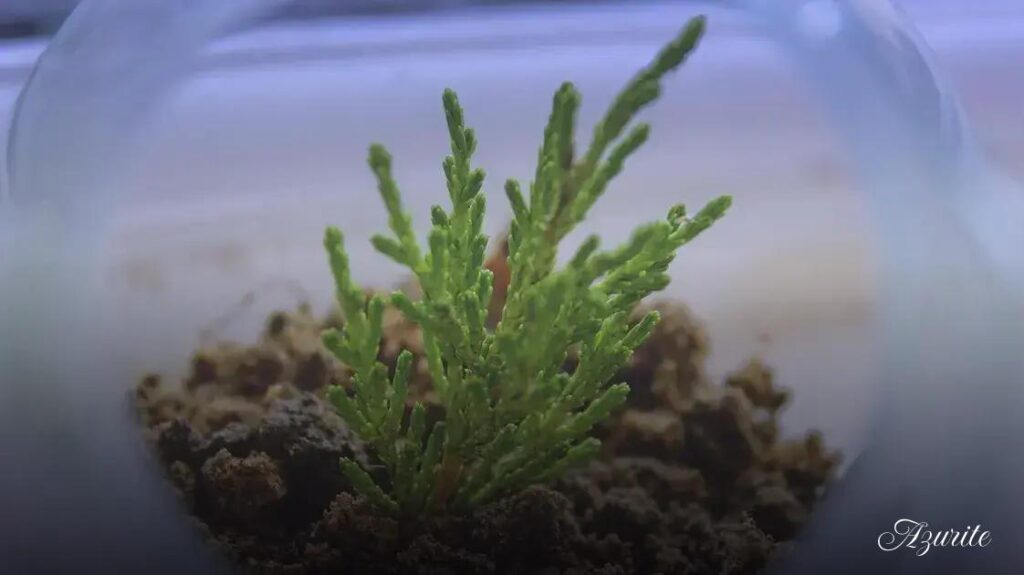
The ideal planted tank light for low-tech aquariums delivers a gentle, full-spectrum illumination with a low to medium PAR value of 15 to 30 at the substrate, running on a strict six to eight-hour daily schedule to promote healthy plant growth while effectively preventing unwanted algae blooms.
planted tank light can feel confusing—too dim and plants stall; too bright and algae takes over. Looking for a low-tech, steady path to healthy growth without guesswork?

What low tech planted tanks need from a light
Low tech aquariums rely on the natural balance of your setup. Because you do not use injected CO2, your plants grow at a slower pace. This means they need a specific type of light. If the light is too strong, plants cannot use it all. The leftover energy goes straight to growing pesky algae.
Low to medium intensity is the sweet spot. You want enough brightness to reach the leaves at the bottom, but not so much that it overwhelms the tank. A gentle and steady light output keeps your aquarium healthy.
Balancing Light and Nutrients
In a low tech setup, lighting controls the speed of everything. When you use a basic LED, it limits how fast plants consume nutrients. This slower pace is much easier to manage. You will not need to dose heavy fertilizers or trim stems every few days.
You also want to look for a broad spectrum. Even easy plants like Anubias or Java Fern look better and grow healthier under light that mimics the natural sun. A light that offers a mix of red, blue, and white LEDs will keep your green leaves bright and your fish looking their best.
How to match par value lighting to easy plants
PAR stands for Photosynthetically Active Radiation. It measures the actual light energy that plants use to grow. When you set up a low tech tank, you do not need a high PAR number. In fact, easy aquatic plants do best with a low light reading.
For most beginner setups, a PAR value between 15 and 30 at the bottom of the tank is perfect. If the number goes above 40 without adding extra CO2, you will likely start growing algae instead of healthy leaves.
Why Tank Depth Matters
Light loses its strength as it travels deeper into the water. A light that gives a strong PAR of 60 near the surface might only give a soft 20 by the time it reaches the gravel. Because of this, you must check the light rating based on the actual depth of your aquarium.
Many light brands provide a depth chart on the box or their website. Always look at the number measured at the distance from the LED to your substrate, not just the number right at the bulb.
Best Numbers for Beginner Plants
Popular choices like Anubias, Java Fern, and Cryptocoryne thrive right in this 15 to 30 PAR range. They grow slowly and stay very healthy under gentle lighting. A basic, affordable LED fixture will usually give you exactly what these plants need at a standard tank depth without causing an algae bloom.
Spectrum explained: what full spectrum led aquarium really means
When you shop for a light, you will often see the term full spectrum. This simply means the fixture provides all the colors found in natural sunlight. It is not just plain white light. Instead, if you look closely at the light bar, you will see tiny diodes of different colors mixed together to create a natural glow.
Why Color Matters for Plants
Plants do not use all light equally. They rely heavily on red and blue light to power their daily growth. Red light helps stems stretch and leaves grow wide, while blue light keeps the plant shapes compact and dense. A true full spectrum led aquarium light balances these specific colors so your low tech plants get exactly the energy they need to thrive.
Making Your Tank Look Great
While red and blue feed the plants, a tank lit only by these colors looks purple and unnatural. That is why full spectrum lights also include bright white and green diodes. These extra colors do not do much for plant growth, but they make the natural greens and earthy tones in your aquarium pop. This perfect blend ensures your plants grow well while your fish and aquascape look beautiful and clear.
Brightness and spread: fitting light to tank size and depth
Water depth plays a huge role in how bright your light needs to be. If you have a deep aquarium, the light must be strong enough to reach the bottom without fading out. However, if your tank is shallow, that same light might be too intense and cause algae problems. Always check the light details to see how deep it can safely penetrate.
Why Light Spread Matters
Brightness is only half the battle. You also need to think about light spread, which is how wide the light reaches from the front glass to the back glass. If you put a very narrow light on a wide tank, the front and back edges will stay dark. Plants placed in these shadowy corners will struggle to grow, drop their leaves, or stretch awkwardly toward the center.
Getting the Right Fit
To get even plant growth, the light should cover the entire footprint of your tank. For long rectangular tanks, a light bar that stretches from one end to the other is best. If you have a cube tank, a square-shaped fixture or a clip-on light might provide the perfect coverage.
If you notice dark spots in your tank, you can often fix them by raising the light. Mounting the fixture a few inches higher above the water helps the beams spread out wider, creating a smooth and even glow across the whole aquarium.
Low tech light schedule that grows plants without algae
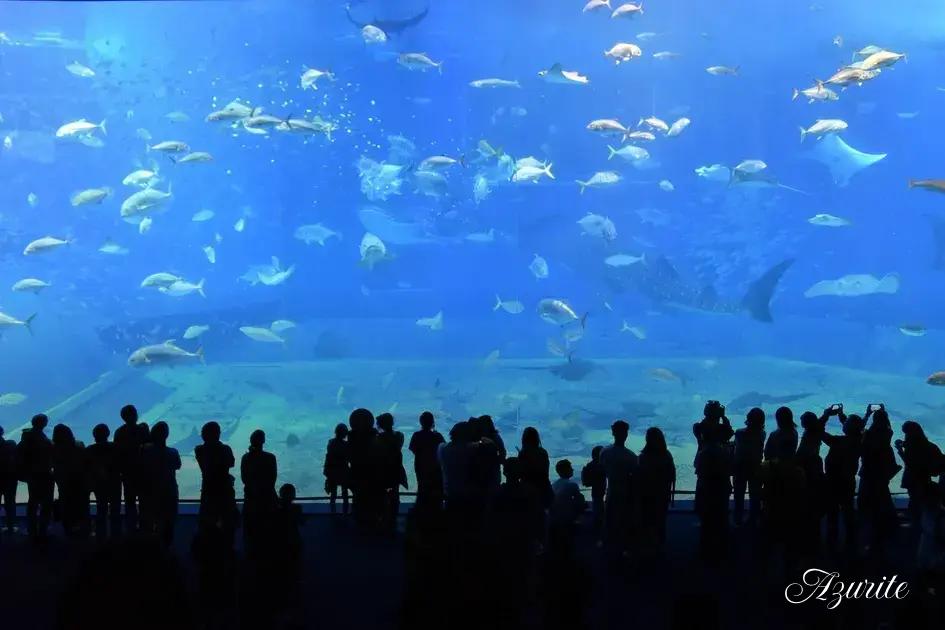

Finding the right balance for your daily lighting is the secret to a clear tank. Without extra CO2, aquatic plants process light at a much slower rate. If you leave your lights on for ten or twelve hours, your plants will stop taking in nutrients early. This leaves all that extra light energy for pesky algae to consume and spread across your glass.
For most beginner setups, a continuous run of six to eight hours a day is the perfect sweet spot. It is always smart to start with just six hours when your tank is new. Watch how your plants react over a few weeks. If they look healthy and there is no green fuzz growing, you can slowly increase the time by thirty minutes.
Trying the Siesta Method
Another popular trick to fight algae is a split schedule, often called a siesta. This method breaks your daily lighting into two separate chunks. You might run your lights for four hours in the morning, turn them off for a few hours in the afternoon, and then turn them back on for four hours in the evening. This gives you time to enjoy your aquarium after work while giving the tank a natural resting period.
Why Timers Are Essential
Plants and fish thrive on a steady, predictable routine. Turning the lights on and off at random times every day causes stress and disrupts their natural growth cycle. Using a basic plug-in timer or a digital smart plug is the easiest way to keep your schedule exact. Once you set up the timer, your tank gets perfectly timed light every single day without you ever having to flip a switch.
Finding the best planted tank light for small setups
Small aquariums, often called nano tanks, have unique lighting needs. When you have a five or ten-gallon tank, you do not need a massive light bar. A strong light on a tiny tank will quickly turn your water green with algae. You need a gentle, balanced glow that fits perfectly over a small surface area.
Why Clip-On Lights Are Great
For small setups, a clip-on LED light is usually the best choice. These small lights attach right to the edge of your tank glass. They take up very little room and keep your display looking neat and clean. Because many come with a flexible gooseneck arm, you can bend and adjust the light to point exactly where your plants need it most.
Managing Heat and Brightness
Small tanks hold less water, which means they can heat up fast if a light sits too close to the surface. Choosing a slim, modern LED keeps the water temperature safe and stable for your fish and shrimp. It is also smart to pick a light that includes a built-in dimmer. Being able to turn down the brightness helps you control your planted tank light so it perfectly matches the shallow depth of your nano aquarium.
Form factors compared: light bars, clip-ons, and shop lights
The physical design of your fixture, known as the form factor, determines how light spreads across your water. Picking the wrong shape can leave dark shadows in the corners where plants will slowly fade and struggle to survive.
Sleek and Even Light Bars
A light bar is the most common choice for standard rectangular aquariums. These long fixtures stretch completely from the left side of your tank to the right. They usually sit right on the glass edges using adjustable sliding legs. Because the diodes are spread out along the entire bar, this design provides a very smooth and even glow. Every leaf gets the same amount of energy, which makes growing easy plants much simpler.
Flexible Clip-On Fixtures
If you have a small glass cube or a nano setup, a full light bar is often too bulky. This is where a clip-on light shines. Instead of resting across the whole tank, it firmly clamps onto the back or side wall. Many clip-on models feature a bendable neck. This lets you tilt and aim the light exactly where your plants need it most, saving space and keeping your display looking perfectly neat.
Budget-Friendly Shop Lights
For fish keepers with very large setups or a dedicated fish room, buying custom aquarium brands can get expensive. Standard LED shop lights are a popular trick for low tech tanks. While they lack fancy features, hanging a bright white shop light from the ceiling gives you massive coverage for very little money. They easily grow simple aquatic plants as long as you hang them at the right height to avoid intense hot spots.
Budget vs features: timers, dimmers, waterproofing, warranties
When you shop for a light, you can save money by choosing a very basic model. However, spending a little extra on certain features makes keeping your tank much easier. A built-in dimmer is one of the best tools you can buy. If your new light is too bright and starts growing algae, a dimmer lets you turn down the power quickly without having to buy a whole new fixture.
The Power of Built-In Timers
Many modern lights come with a digital timer attached right to the power cord. This handy feature saves you from buying a separate smart plug. You can program the light to ramp up gently in the morning and fade out slowly at night. This slow and natural change keeps your fish calm and stops them from jumping when the lights suddenly snap on.
Protecting Your Investment
Water and electricity do not mix well. If you run your tank without a glass lid, you must look for an IP67 or IP68 waterproof rating. This keeps the delicate light diodes safe from splashing filters, bubbling air stones, and jumping fish. Even with great protection, electronic boards can sometimes fail. Always check for a solid brand warranty. A good warranty ensures you can get a free replacement if your light stops working during the first year.
Estimating par without a meter and when to borrow one
Buying a tool to measure light can cost more than your actual aquarium. Thankfully, you do not have to buy an expensive meter for a basic tank. Instead, you can look at your plants to guess the light levels. If your stems are thin and stretching for the surface, the light is too weak. If thick green algae covers the glass and leaves, the light is too strong.
Using Brand Charts
Before you buy a new fixture, check the box or the company website. Most good brands show a simple depth chart. This chart tells you the exact light number at different water levels. For a simple setup, just match your tank depth to a number between 15 and 30. This makes picking the right fixture very easy.
When You Actually Need a Meter
Sometimes guessing is just not enough. If you have a very deep custom tank or you are mixing several different lights together, it helps to know the exact numbers. However, you still do not have to buy one. Many local aquarium clubs let members borrow a PAR meter for free. Some local fish stores will also rent them out for the weekend. This is a smart way to test your exact setup without spending hundreds of dollars on a single tool.
Troubleshooting common issues: leggy stems, yellow leaves, algae blooms
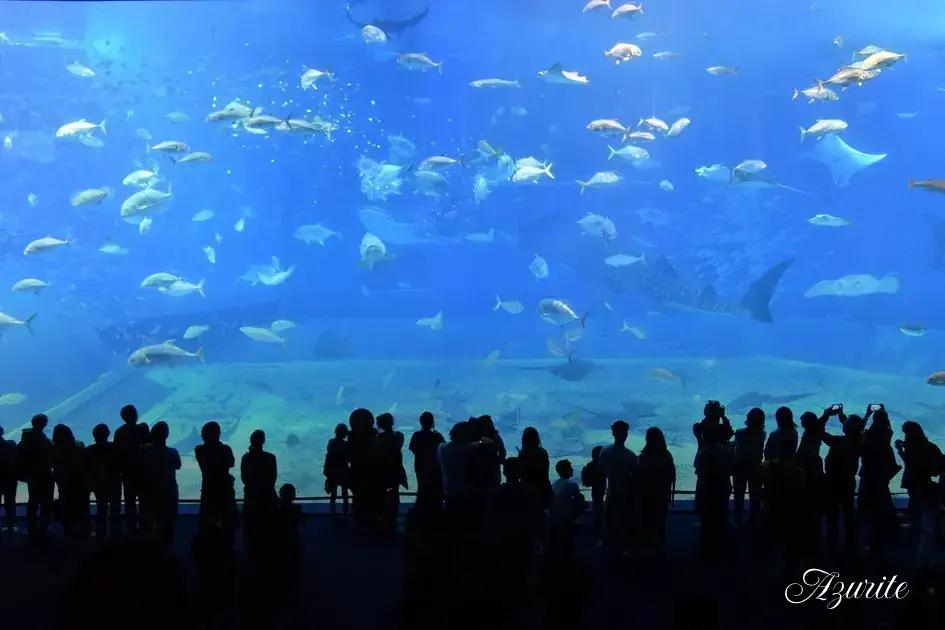
Your aquatic plants are excellent communicators. By looking closely at how they grow, you can easily tell if your light settings are correct. When the balance is off, plants quickly show signs of stress, while pesky algae takes advantage of the mistake. Fixing these common problems is usually as simple as adjusting your light timer or brightness.
Fixing Tall and Leggy Stems
If your stem plants look stretched out with huge gaps between the leaves, your light is too weak. Plants do this to reach closer to the surface. To fix this, you can lower the fixture closer to the water or increase the brightness slightly. If your light cannot get any brighter, you might need to move those specific plants directly under the center of the LEDs.
Understanding Yellow and Melting Leaves
When healthy green leaves turn pale or yellow, it often means the light is forcing the plant to grow faster than the available nutrients allow. In a low tech setup, too much light creates a high demand for food. If the plants cannot find enough nutrients, their older leaves turn yellow and melt away. Turning down the light intensity helps balance their growth rate with the natural food levels in the tank.
Stopping Sudden Algae Blooms
A sudden explosion of green water or fuzzy hair algae is the most common warning sign. This almost always means there is too much light energy in the system. The easiest fix is to reduce your daily light schedule. If your timer is set for eight hours, drop it down to six. If you have a built-in dimmer, lower the brightness until the algae slowly starves and fades away.
Enjoying Your Low Tech Planted Tank
Finding the perfect planted tank light does not have to be hard. By keeping your setup simple, you can enjoy a beautiful underwater world without the stress of daily maintenance.
Remember to focus on a gentle, full-spectrum light that fits the size and depth of your aquarium. Use a timer to keep a steady schedule of six to eight hours a day. This simple routine gives your easy plants the energy they need while keeping messy algae away.
Whether you choose a sleek light bar, a handy clip-on, or a basic shop light, the right choice depends on your specific tank. With a little patience and the right lighting balance, your low-tech setup will easily grow into a stunning green display.
FAQ – Frequently Asked Questions About Low Tech Planted Tank Lighting
How many hours a day should my aquarium light be on?
For most low tech setups, running your light for six to eight hours a day is perfect. This provides enough energy for slow-growing plants without leaving excess light for algae to consume.
What is the ideal PAR value for beginner aquatic plants?
Easy plants like Anubias, Java Fern, and Cryptocoryne do best with a low to medium light intensity. A PAR reading between 15 and 30 at the bottom of your tank is the sweet spot.
What does a full spectrum LED aquarium light do?
A full spectrum light provides a mix of natural colors. Red and blue diodes power plant growth, while green and bright white diodes make your fish and plants look natural and vibrant.
Why are my aquatic stem plants growing tall and skinny?
When plants look leggy and stretch rapidly toward the surface, it usually means your light is too weak. You can fix this by lowering the light closer to the water or increasing the brightness.
Can I use a clip-on light for a planted tank?
Yes, clip-on LED lights are highly recommended for nano and small cube tanks. They provide targeted, gentle light and often feature flexible necks so you can aim the light exactly where it is needed.
How do I stop green algae from taking over my tank?
Algae blooms are a sign of too much light. The easiest way to stop them is to reduce your lighting schedule by an hour or two, or use a built-in dimmer to lower the overall brightness.