The best automatic fish feeder for vacations ensures reliable feeding by utilizing moisture-resistant ventilation systems to prevent clogs, relying on fresh batteries to maintain consistent motor power, and dispensing uniform pellets rather than flakes to accurately portion food for your aquarium while you are away.
automatic fish feeder worries pop up before a trip—will pellets clump, timers drift, or batteries die? Here’s a simple path to choose a feeder you can trust while you’re away.

How we tested reliability on real vacations
We took several popular fish feeders and set them up in actual home aquariums for two weeks. We wanted to see what happens when you leave the house, lock the door, and let the machine do the work. We used different types of fish food, like flakes, pellets, and crisps, to see if the machines could handle them without jamming.
Simulating Real Vacation Conditions
To make the test fair, we did not clean or adjust the devices during the 14-day period. We tracked the room temperature and humidity, which often change when the AC or heating is turned down during a trip. High humidity is the biggest enemy of dry fish food, often turning it into a sticky mess. We placed a webcam in front of each tank to record every scheduled feeding. This let us count exactly how many times the food actually dropped into the water.
Measuring Battery Life and Accuracy
A dead battery means hungry fish. We tested both brand-new and partially used batteries to see if a drop in power would cause the motor to stall. We also measured the amount of food dropped each day. Consistency is very important. Dropping too much food pollutes the water, while dropping too little leaves your pets starving. We found that programmable food dispensers performed best when dispensing small, round pellets rather than large, irregular flakes.
Features that prevent clogs and missed feedings
When you use a vacation fish feeder, moisture is your biggest enemy. Water evaporates from your tank and rises straight up into the food container. This turns dry flakes and pellets into a sticky paste. Once the food gets wet, it blocks the opening, and your fish get nothing.
Built-in Ventilation Systems
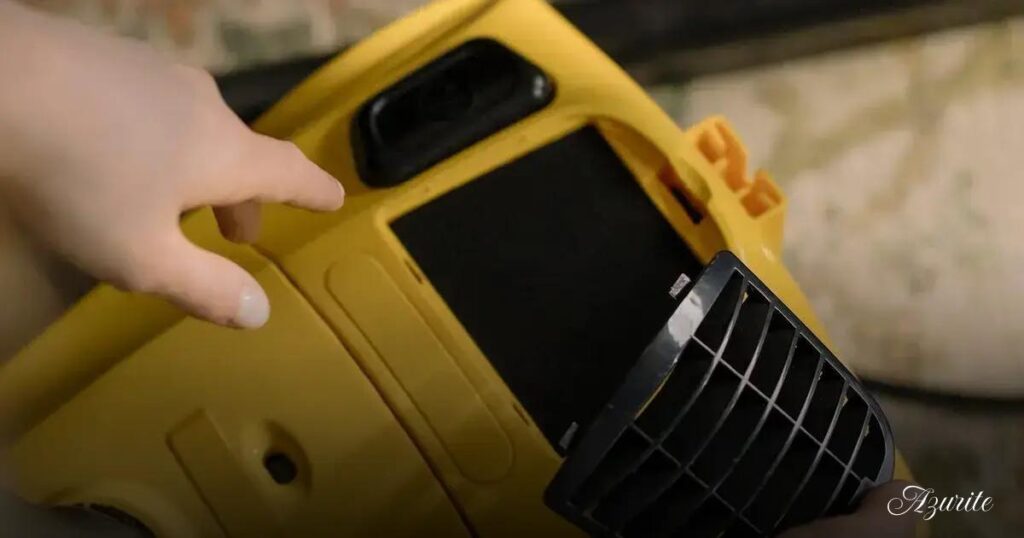
The best feeders come with a built-in fan or a special air port. These connect to a standard air pump to blow a gentle stream of dry air into the food chamber. This constant breeze keeps the food dry and crisp. If you live in a humid area, this feature alone can save your fish from a clogged drum.
Smart Hopper Designs
Another great feature is a rotating food drum that parks itself with the opening facing up. If the hole points down toward the water between meals, moisture sneaks right in. By stopping with the door facing the ceiling, the food stays much safer from the damp air rising off the water surface.
Anti-Jam Mechanisms
Even perfectly dry food can get stuck if the pieces are too big. A reliable programmable food dispenser includes an adjustable slider. This slider lets you set the exact size of the opening to match your pellets or flakes. Some units also vibrate slightly when they spin. This gentle shaking breaks up small clumps and ensures a steady drop of food every single time.
Which auto feeders fit your tank size and fish diet
Picking the right feeder depends on how big your tank is and what your fish like to eat. A large tank with many big fish needs a different setup than a small desktop aquarium. You need to match the machine to your specific pets so they stay healthy while you are away.
Small Tanks and Micro Pellets
If you have a small tank or just a few tiny fish, you need exact portion control. Look for a battery operated feeder that handles micro pellets well. Flakes often stick together and dump too much food at once in a small tank, which can quickly ruin your water quality. A device with tiny, adjustable slots is the safest choice here.
Large Tanks and Mixed Diets
Big aquariums with cichlids or goldfish need much more food. You will want the best automatic fish feeder with a large, high-capacity food drum. Some advanced models even let you mix different types of food, like big pellets and dried worms. A few high-end units have double chambers, allowing you to feed bottom dwellers and top swimmers at the same time.
Matching Your Trip Length
Think about how long you plan to travel. A quick weekend trip is easy for almost any device. However, a two-week vacation requires a bin that holds enough food for the entire trip. Always run a test for a few days before you leave to make sure the drum drops the exact right amount of food for your tank size.
Choosing a Feeder You Can Trust
Getting ready for a vacation should be fun, not stressful. A reliable automatic fish feeder keeps your tank healthy and your fish full while you are away.
Remember that moisture and dead batteries are the biggest risks to your aquarium. Pick a feeder with good ventilation that keeps food dry, and always use fresh batteries before a long trip.
It is very important to test your new feeder for a few days before you leave the house. This gives you time to make sure the portion sizes are correct and the food does not jam.
With the right device set up properly, you can enjoy your travel knowing your aquatic pets are safe and well-fed.
FAQ – Best Auto Fish Feeders for Vacations
How long can an automatic fish feeder work while I am on vacation?
Most automatic fish feeders can easily run for a two-week vacation. However, it depends on the size of the food drum and how much food your specific fish need every day.
Why does fish food get clogged in an auto feeder?
Moisture evaporating from the aquarium rises into the feeder, turning dry flakes or pellets into a sticky paste. This causes the food to clump and block the dispensing hole.
How can I prevent moisture from ruining the fish food?
Choose a feeder with a built-in fan or a ventilation port that connects to an air pump. Also, look for models where the food drum stops facing upward, away from the water.
Are pellets or flakes better for an automatic vacation feeder?
Small, round pellets are generally much better. Flakes tend to stick together, absorb moisture quickly, and cause jams, while pellets drop consistently through the feeding slot.
Do I need to test my fish feeder before leaving for my trip?
Yes, you should always test the feeder for a few days before you leave. This ensures the timer works, the portion size is correct, and the food does not jam.
Will a weak battery stop my automatic feeder from working?
Yes, a dead or weak battery can cause the motor to stall, leaving your fish hungry. Always insert brand-new batteries right before you leave for a long vacation.