A complete aquarium equipment list requires a properly sized glass or acrylic tank, a reliable filtration system to process waste, a submersible heater with a thermometer for temperature control, full-spectrum LED lighting for plant growth, chemical water conditioners, an air pump for oxygenation, and basic maintenance tools like a gravel vacuum.
The Aquarium Equipment List can feel endless—filters, heaters, test kits… Which ones matter now, and which can wait? This guide cuts noise with plain choices and quick examples, so your first tank starts healthy and calm.
Choosing the right tank size and material
Picking the perfect fish tank is the first big step for any beginner. The size and material you choose will affect everything from water quality to where you can place the setup in your home. A larger tank is actually easier to keep stable than a small bowl.
Why Bigger is Better for Beginners
Many people think a small five-gallon tank is the best starting point. However, small tanks can have sudden spikes in toxic chemicals like ammonia. A 20-gallon tank gives you much more room for error. More water means that fish waste dilutes faster, keeping your pets safe while you learn the ropes of tank maintenance. It also gives you plenty of space to add essential fish tank accessories without crowding the swimming area.
Glass Versus Acrylic Tanks
You will mostly find tanks made of two materials: glass and acrylic. Each has its own pros and cons depending on your budget and space needs.
Glass tanks are the classic choice. They are very hard to scratch, easy to clean, and usually cost less money. They hold their clarity for years without turning yellow over time. On the downside, glass is quite heavy and can crack if you accidentally hit it with something hard.
Acrylic tanks are much lighter and stronger against impacts. They can also be shaped into cool, curved designs. Because they are so clear, the colors of your fish might pop more. However, acrylic scratches very easily. You must buy special cleaning pads to avoid ruining the view. They also tend to be more expensive, which might change your aquarium setup cost breakdown.
Before you buy, think carefully about the stand you will use. A full tank is incredibly heavy. Water weighs over eight pounds per gallon, so a heavy glass tank needs a very strong, flat base to prevent long-term leaks or breaks.
Filtration options explained: sponge, HOB, canister
A good filter is the true heart of your tank. It sweeps away floating dirt and creates a safe home for friendly bacteria that eat harmful fish waste. Without proper water cleaning, your tank will quickly become cloudy and unsafe. When you are putting together your aquarium setup, you will usually pick from three popular styles of filters.
The Simple Sponge Filter
Sponge filters are perfect for beginners trying to save money. They sit directly inside the water and connect to an air pump outside the tank. As bubbles rise up the center tube, water pulls through the sponge material, trapping small bits of floating debris. Because the water flow is very gentle, these filters are incredibly safe for tiny fish, baby fish, and shrimp that might get stuck in stronger machines.
Hang-On-Back (HOB) Filters
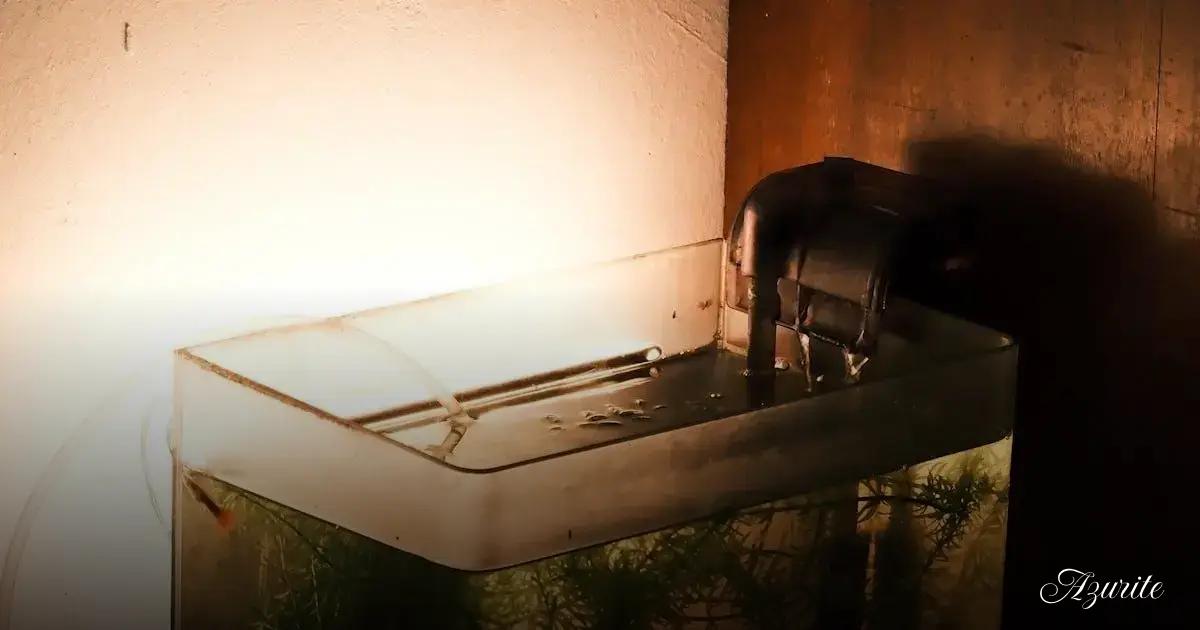
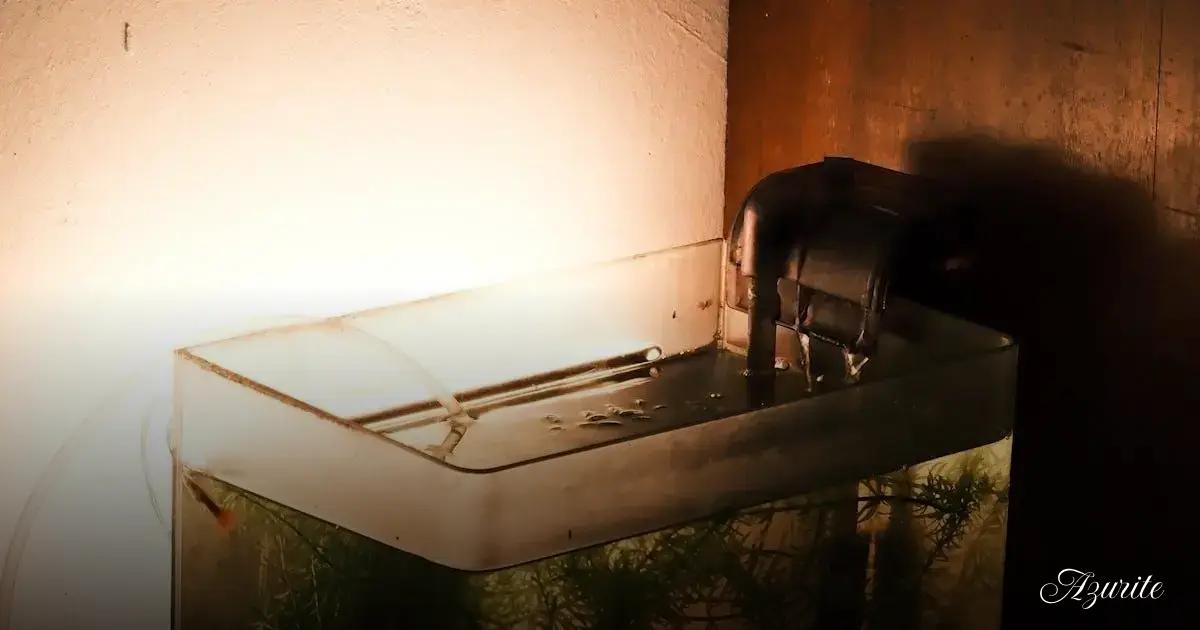
As the name hints, Hang-On-Back or HOB filters rest right on the top edge of your glass. A built-in motor pulls water up a tube, pushes it through replaceable filter pads, and spills it gently back into the tank like a tiny waterfall. They are very easy to reach and clean. Because of their fair price and strong cleaning power, HOBs are often considered best rated aquarium equipment for tanks ranging from 10 to 40 gallons.
Powerful Canister Filters
If you have a large setup or very messy pets like goldfish, a canister filter is your best bet. These heavy-duty machines sit completely outside the tank, often hidden inside a wooden cabinet below. Two hoses connect them to the water. The motor pulls water down into a large, sealed bucket filled with thick layers of rocks, sponges, and carbon. Canisters hold much more cleaning media than other types, offering crystal clear water. However, they cost more and take a bit more effort to wash out.
Heating and temperature control for stable water
Most popular pet fish come from warm, tropical waters. This means the normal air temperature in your home is likely too cold for them. A reliable aquarium heater keeps the water safe and steady. Sudden temperature drops can quickly stress your pets and make them sick.
Choosing the Right Heater Size
A simple rule to follow is to use five watts of heating power for every gallon of water in your tank. For a typical 20-gallon setup, you will need a 100-watt heater. If you keep your house very cool during the winter, you might need a slightly stronger unit. Many experts suggest using two smaller heaters instead of one big one. If one heater stops working, the second one will keep the water warm enough until you can buy a replacement.
Checking the Heat Safely
You should never trust the numbered dial on the heater by itself. Sometimes the internal parts get stuck, making the water dangerously hot or cold. A simple glass or digital thermometer is vital to check the real temperature every day. Place the thermometer on the opposite side of the tank from your heater. This ensures you are measuring the entire tank, not just the water directly next to the heat source.
Lighting basics for fish, plants, and algae control
Good lighting makes your fish look bright and helps real plants grow tall. But if you leave the lights turned on for too long, thick green slime will quickly take over your glass. Finding the right balance is a major part of running a healthy tank without doing extra cleaning work.
Choosing the Right LED Light
Most modern fish keepers use LED lights. They use very little electricity and do not make the water hot. If you only keep fish and plastic decorations, a basic, cheap LED hood is perfect. However, if you want to grow live plants, you must buy a stronger unit. Look for a full-spectrum LED light. These special lights give off the exact red and blue colors that aquatic plants need to make food and grow strong roots.
Stopping Green Algae Growth
Algae is a simple weed that loves extra light and leftover fish waste. To stop this green pest, never place your tank next to a bright window. Direct sunlight from outside will turn your water cloudy and green in just a few days. You should also plug your aquarium light into a simple automatic wall timer. Set the timer to keep the lights on for only six to eight hours each day. This short schedule gives your fish a normal day and night cycle so they can rest, while starving the ugly algae.
Water testing, conditioners, and cycling tools

Tap water might look perfectly clean to you, but it is actually quite dangerous for pet fish right out of the sink. City water plants add chemicals to kill germs and keep our drinking water safe. However, these same chemicals will quickly burn the sensitive gills of your fish. Before any fish can move in, you need the right liquids to prepare their new home.
Making Tap Water Safe
You must always use a water conditioner before adding fresh water to your tank. This simple liquid immediately removes harmful chlorine and heavy metals. Just a few drops in your bucket will turn toxic tap water into a safe environment for your underwater pets.
Starting the Nitrogen Cycle
When fish eat and create waste, that waste turns into a hidden poison called ammonia. To keep the water safe, your tank needs a large colony of friendly bacteria to eat this ammonia. Growing these bacteria is called “cycling” the tank. You can speed up this waiting period by buying a bottle of live beneficial bacteria. Pouring this starter liquid directly into the water helps the good bacteria grow much faster.
Testing Your Water Quality
Because dangerous chemicals like ammonia are invisible, you cannot just look at the water to see if it is safe. You have to test it regularly. The most reliable way to check your water is with a master liquid test kit. These kits use small glass tubes and colored drops to show you exactly how healthy the water is. Paper test strips are also okay for a quick check, but they are not as exact as the liquid kits.
Aeration and flow: air pumps, stones, and powerheads
Fish need oxygen just like we do, but they breathe it right out of the water. If the water in your tank sits completely still, that oxygen runs out fast. Moving water grabs fresh air from the surface and mixes it deep into your tank, keeping your pets healthy and active.
Adding Air Pumps and Stones
An air pump is a small electric machine that sits safely outside your tank. It pushes air through a thin, clear plastic tube. At the very end of this tube, you connect an air stone. This special piece of porous rock breaks the steady stream of air into hundreds of tiny bubbles. As these bubbles rush to the top and pop, they stir the surface and help oxygen enter the water. They also add a beautiful, sparkling look to your display.
Using Powerheads for Stronger Flow
Some fish come from fast rivers and love swimming against a strong current. A powerhead is a powerful water pump that goes completely underwater. Instead of blowing air bubbles, it blasts a steady stream of water straight across the tank. This strong flow pushes fish waste directly toward your filter and stops dirt from piling up in quiet corners. If you have a very long tank, a powerhead is a perfect tool to prevent dangerous dead spots.
Maintenance gear: gravel vacs, algae scrapers, and nets
Keeping your tank clean is easy if you have the right tools. You do not need to take the whole tank apart to wash it. In fact, doing that can actually hurt your fish by destroying good bacteria. Instead, a few simple tools will keep your water crystal clear with just a little work each week.
Cleaning the Bottom with a Gravel Vacuum
A gravel vacuum is a must-have tool for any fish keeper. It is a wide plastic tube connected to a long flexible hose. When you start the flow of water into a bucket, the vacuum sucks up fish waste and uneaten food hidden deep inside the rocks. The heavy gravel falls right back down, while the dirty water travels out. This simple tool makes weekly water changes fast and completely mess-free.
Wiping Away Green Glass
Even in a perfectly balanced tank, a thin layer of green slime will eventually grow on the glass. An algae scraper makes short work of this problem. You can buy scrapers with a long plastic handle and a soft sponge on the end, which keeps your hands totally dry. Another popular choice is a magnetic glass cleaner. One magnet goes inside the water, and the other stays on the outside glass. As you move the outside piece, the inside piece scrubs the glass clean.
Catching Fish and Floating Debris
A soft, fine-mesh fish net is always good to keep close by. You will need it to safely move fish when you first bring them home or if they ever get sick. Nets are also great for quickly scooping up dead plant leaves or extra food floating on the water surface before it rots and ruins your healthy tank.
Essential fish tank accessories most beginners forget
When setting up a new tank, it is easy to focus on the big items like filters, heaters, and lights. However, there are a few small tools that make a huge difference in safety and ease of use. These essential fish tank accessories are often left off the shopping list, but you will quickly realize how much you need them once your tank is running.
Safety First with Drip Loops
Water and electricity are a very dangerous mix. You will plug in multiple cords for your equipment, so a high-quality power strip with surge protection is an absolute must. More importantly, you must always create a drip loop with your cords. This simply means letting the power cord hang down in a U-shape below the wall outlet before plugging it in. If water ever splashes out and runs down the wire, it will safely drip off the lowest point instead of sliding straight into the electrical socket.
Air Pump Check Valves
If the electricity suddenly goes out, the water in your tank can actually travel backward up your air tubing like a drinking straw. This can drain your tank and completely ruin your air pump. A tiny, cheap plastic part called a check valve stops this from happening. You just cut the clear air tube and stick the valve right in the middle. It only costs a few dollars but saves you from a massive, watery mess on your floor.
Dedicated Fish-Only Buckets
Never use your regular kitchen or bathroom cleaning buckets for your aquarium. Leftover soap, floor cleaners, or chemical sprays hidden in the plastic can easily poison your fish. You should buy two brand new, clean buckets that are strictly used for your fish tank. Keep a set of soft towels nearby, too, so you can quickly wipe up any splashes during your weekly water changes.
Aquarium setup cost breakdown and budget tips
Setting up a new fish tank involves more than just buying the glass box. Understanding your aquarium setup cost breakdown helps you avoid spending too much money. You can expect to spend anywhere from $150 to $300 for a complete, basic 20-gallon setup, depending on the brands you choose.
The Core Equipment Costs
The biggest part of your budget goes to the main hardware. A standard glass tank usually costs about one to two dollars per gallon at a pet store. A reliable hang-on-back filter and a safe submersible heater will add another $40 to $60 to your total. If you want a bright LED light to grow live plants, expect to pay around $30 to $50 more. Do not forget to include the price of a strong wooden stand if you do not have a safe, heavy-duty table at home.
Hidden and Ongoing Expenses
Many beginners forget about the chemical supplies needed to start the water cycle safely. You must buy water conditioners, a beneficial bacteria starter, and a good master liquid test kit. These extra items can easily add another $50 to your first shopping trip. You also need to plan for everyday costs like quality fish food, replacement filter sponges, and root tabs for your plants as the months go by.
Smart Ways to Save Money
You do not have to buy everything brand new. You can often find gently used glass tanks and sturdy stands online or at local garage sales for a very low price. Just be sure to fill used tanks with water outside first to check for hidden leaks. You can also save cash by using a simple, cheap sponge filter instead of a large canister filter. Finally, buying plain pool filter sand from a local hardware store is much cheaper than buying fancy aquarium gravel, and it looks completely natural.
Best rated aquarium equipment: how to check quality
When you shop for fish tank gear, the choices can feel completely overwhelming. Finding the best rated aquarium equipment means looking past shiny boxes and focusing on real performance. High-quality tools keep your tank running smoothly and prevent dangerous accidents like sudden water leaks or electrical problems.
Reading Reviews the Right Way
A five-star rating does not always tell the whole truth. When you read customer reviews online, look for comments from people who have used the product for several months. A cheap filter might work perfectly on day one but break down after just a few weeks. Search for specific mentions of motor noise, ease of cleaning, and how the company handles broken parts. Good brands usually offer a solid warranty and let you buy small replacement parts separately.
Inspecting Materials and Build Quality
You can often feel the difference in quality just by holding the equipment in your hands. High-quality plastic should feel very thick and hard to bend. For heaters, look for shatterproof glass or strong titanium bodies. Cheap suction cups are a very common problem; they harden quickly in the water and let your heater or filter fall down. Paying a few extra dollars for a trusted brand saves you from having to buy the exact same tool twice.
Checking for Safety Features
Electrical safety is the most important detail to check before you buy anything. Always look for official testing marks on the power cords. These safety labels prove that the machine was carefully tested for safe use around water. The best water pumps and heaters also have an automatic shut-off feature. This means they will instantly turn off if the water gets too low, keeping your fish safe from overheating and protecting your home.
Ready to Start Your New Fish Tank Journey?
Building a beautiful and healthy fish tank does not have to be a hard or costly task. By following this complete equipment guide, you can easily create a safe home for your new pets.
Always remember to focus on the core items first. A reliable filter, a steady heater, and proper water testing tools are the most important things you need. These simple pieces build the foundation of a clean and stable tank.
Take your time setting everything up, and never rush the water cycling process before adding fish. With the right gear and a little patience, you will enjoy a stunning, peaceful aquarium that brings life and color to your home for many years.
FAQ – Frequently Asked Questions About Aquarium Equipment
What is the most important piece of equipment for a beginner aquarium?
A reliable filter is the most important piece of equipment. It cleans the water and houses beneficial bacteria that keep your fish safe from toxic waste.
Do I really need a heater for my fish tank?
Yes, most popular pet fish are tropical and require warm, stable water. A heater prevents sudden temperature drops that can quickly stress or sicken your fish.
How long should I leave my aquarium lights on each day?
You should leave your LED lights on for about six to eight hours a day. Using a simple plug-in wall timer helps maintain this schedule and prevents thick green algae from growing.
Why do I need to buy a water conditioner?
Tap water contains chlorine and heavy metals that are safe for humans but deadly to sensitive fish gills. A water conditioner instantly neutralizes these chemicals to make the water safe.
What is an air pump used for in a fish tank?
An air pump pushes air through a tube into an air stone, creating tiny bubbles that stir the surface. This movement helps fresh oxygen enter the water so your fish can breathe easily.
How much does a basic beginner aquarium setup usually cost?
A complete, basic 20-gallon setup usually costs between $150 and $300. This budget covers the glass tank, filter, heater, lights, and essential water testing chemicals.