Anubias algae develops because these slow-growing aquatic plants feature broad leaves that sit under aquarium lights for long periods, but you can effectively eliminate and prevent this stubborn growth by reducing light duration, balancing water nutrients, performing gentle hydrogen peroxide dips, and introducing natural cleaners like Amano shrimp and Nerite snails.
Anubias algae builds up because the plant grows slowly, so leaves sit under light longer and gather film. Want simple steps that actually clear and prevent it?
Why anubias attracts algae more than fast plants
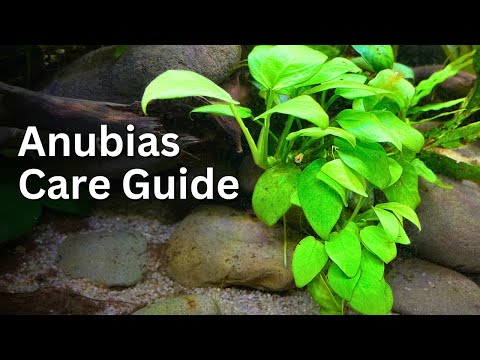
Anubias plants are famous for being easy to keep, but their slow growth rate comes with a hidden cost. Fast-growing plants shoot up quickly, growing new leaves and shedding older ones. This means algae never gets enough time to settle on them. On the other hand, a single Anubias leaf might stay in your tank for years.
Because these leaves sit under the tank lights for so long, they act like solar panels for algae spores. Slow growth gives algae a stable home.
The Role of Nutrient Uptake
Another reason Anubias struggles with algae is how it eats. Fast growers soak up extra nutrients from the water very fast. This leaves little food behind for algae. Anubias takes its time. If there is too much light or too much plant food in the water, the Anubias cannot use it up fast enough. The leftover food goes straight to feeding the algae.
Leaf Texture and Position
Take a close look at an Anubias leaf. It is wide, flat, and often points right up at the light. This wide surface is a perfect landing pad for floating debris. When fish waste or leftover food settles on the broad leaves, it breaks down and creates a tiny nutrient hotspot. This decaying matter feeds algae directly on the leaf surface. By knowing how these slow growers work, you can better protect them from becoming dirty.
Light, nutrients, and flow: how to balance them
Keeping your Anubias clean means balancing three main things: light, nutrients, and water flow. If one of these is wrong, algae will take over quickly. Because Anubias grows so slowly, it needs this exact balance much more than fast-growing plants do.
Managing Light Levels
Anubias plants do best in low light. If your tank has bright lights, algae will grow fast on their flat leaves. Place Anubias in the shade of taller plants or driftwood to block strong light. You can also lower the brightness of your aquarium light or keep it on for fewer hours each day to stop algae from spreading.
Keeping Nutrients in Check
All aquarium plants need food, but too much fertilizer causes big trouble. If you add more liquid plant food than the Anubias can eat, algae will feast on the leftovers. Test your water often to see what is missing. Only add fertilizer when your plants truly need it. Doing weekly water changes will also help wash away extra nutrients before algae can use them.
The Power of Good Water Flow
Water movement is a secret weapon against algae. Without good flow, fish waste and old food settle right on top of the wide Anubias leaves. Good water flow sweeps this dirt away before it turns into algae food. Make sure your filter gently pushes water across the plant. The leaves should sway just a little bit in the current, keeping their surfaces clean and clear.
Spotting early signs: green spot, hair, black beard
Catching algae early makes it much easier to clean. If you look closely at your Anubias leaves every week, you can stop small problems before they spread across the tank. There are three common types of algae to watch for on slow growers.
Green Spot Algae
Green spot algae looks exactly like its name. You will see tiny, hard green dots forming on the older leaves. These dots are very tough and do not wipe off easily with your fingers. Green spot algae usually means your light is too bright or your water is missing a nutrient called phosphate. If you see these hard dots, it is time to dim the lights or check your plant food.
Hair Algae
Hair algae starts as soft, fine green threads attached to the plant surface. It can grow quickly and wrap around the Anubias stems and leaves. This type of algae waves gently in the water flow. It often shows up when you have too much light and extra nutrients floating in the water. Grabbing it early with a small brush helps keep your plant clean.
Black Beard Algae
Black beard algae is the hardest to defeat. It starts as tiny, dark grey or black fuzzy tufts right on the edges of the Anubias leaves. Removing black beard algae is tough once it fully spreads. It thrives when organic waste builds up in the filter or when carbon dioxide levels shift. Spotting these dark tufts early gives you a chance to act fast.
Cleaning anubias leaves without damage
Cleaning anubias leaves requires a gentle touch. Even though these plants have thick and leathery leaves, scrubbing too hard can scratch the surface. Scratches damage the plant and create tiny spaces where new algae can quickly grow. The best way to start is by using your bare fingers. While the plant is still underwater, gently rub the top of the leaf to wipe away loose brown film or soft green dust.
Using the Right Tools
If your fingers cannot remove the dirt, you can use simple household tools. A brand-new, extra-soft toothbrush works perfectly. Lightly brush the leaf in small circles to lift the stubborn grime. Never use rough scouring pads or hard brushes. These harsh tools will strip away the top protective layer of the leaf. You can also use a soft filter sponge to gently wipe down the broad surfaces during your weekly water change.
When to Cut the Leaf
Sometimes, a leaf is simply too dirty to save. If the algae has completely taken over or the leaf is turning yellow under the grime, cleaning it will not help much. In this case, removing the old leaf is the safest choice. Use sharp aquarium scissors to cut the stem as close to the plant base as possible. Trimming dead or heavily coated leaves helps the plant save energy to grow fresh, clean ones.
Removing black beard algae on anubias safely
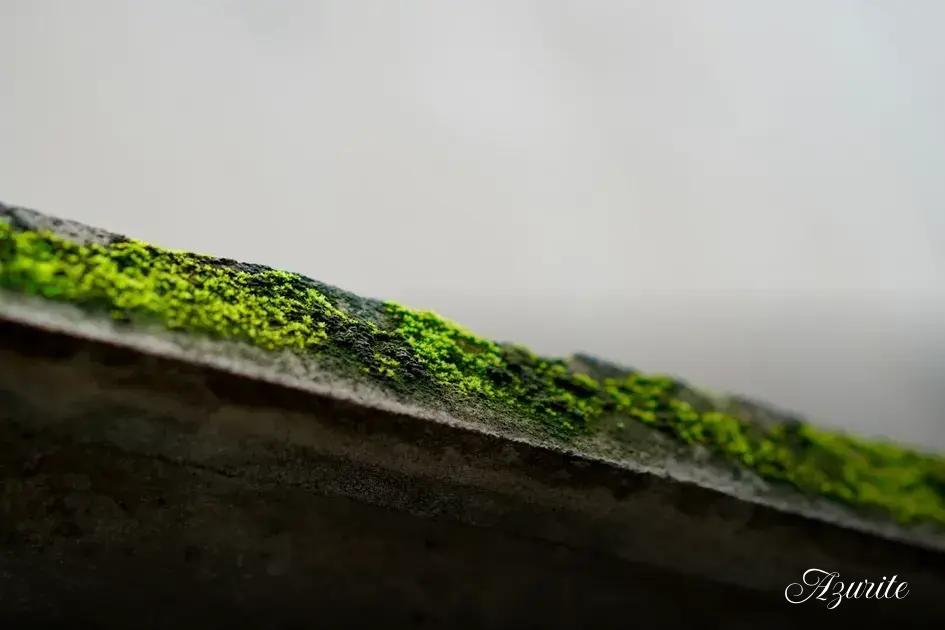

Black beard algae is one of the toughest types to remove from slow-growing plants. If you try to pull it off with your fingers, you might rip the thick Anubias leaves right in half. The roots of this dark, fuzzy algae grip tightly into the plant surface. Because physical pulling is dangerous, you need safer methods to kill the tufts without harming the plant.
Spot Treating Inside the Tank
One safe way to fight this stubborn growth is by spot treating it underwater. You can use liquid carbon or a gentle aquarium algae remover. Turn off your aquarium filter to stop the water flow completely. Then, use a small plastic syringe to slowly squirt the liquid directly onto the dark tufts. Let it sit for a few minutes before turning the filter back on. Over the next few days, the black tufts will turn red or pink, which means they are dead and decaying.
Using Algae-Eating Helpers
Most fish and shrimp avoid eating live black beard algae because it is too tough. However, once you spot treat the leaves and the tufts turn pink, natural helpers like Amano shrimp will happily clean up the soft leftovers. Removing black beard algae is a team effort between your careful treatments and your cleanup crew. Always make sure to keep your water clean so the dark tufts do not return.
Hydrogen peroxide algae dip: ratios and timing
Sometimes, spot treatments are not enough to clean your Anubias. When the whole plant is covered in stubborn grime, taking it out of the tank is the best option. Using a liquid bubble bath is a very popular and safe way to clean slow-growing plants. It fizzes away the bad stuff without hurting the thick, leathery leaves.
Getting the Mix Right
Mixing the liquid correctly is the most important step. You want a solution that is strong enough to destroy the buildup but gentle enough to keep the plant safe. A hydrogen peroxide algae dip works best with a mix of one part 3% peroxide to three parts water. For example, you can mix one cup of peroxide with three cups of normal tap water. Pour this mixture into a clean plastic container that is large enough to hold your plant.
Timing the Dip Perfectly
Once your mixture is ready, gently place the Anubias inside the bowl. You will see tiny bubbles start to form on the dirty leaves almost immediately. This bubbling action means the liquid is actively breaking down the crusty layer. Leave the plant in the liquid for exactly three to five minutes. Do not leave it longer, because soaking it for too much time can burn the delicate roots and the edges of the leaves.
Rinsing and Returning
When the timer goes off, take the plant out right away. Rinse it completely under fresh, running tap water to wash off any leftover peroxide. After a careful rinse, place the clean Anubias back into your aquarium. Over the next few days, the dead fuzzy tufts will turn red, pink, or white, making it very easy for your aquarium cleanup crew to eat the leftovers.
Bleach dip plants: last-resort protocol
Sometimes, an Anubias plant is so covered in thick, stubborn algae that gentle methods fail completely. When you have tried everything else, a bleach dip is the strongest tool left. Because Anubias leaves are thick and tough, they can survive this harsh treatment better than most delicate plants.
Mixing the Bleach Solution
You must be very careful with the measurements. To bleach dip plants safely, mix one part plain, unscented bleach with nineteen parts water. Never use splashless or scented bleach, as these have extra chemicals that will hurt your tank. Mix this liquid in a clean plastic bucket. Set up a second bucket filled with plain water and a heavy dose of aquarium water conditioner.
Watching the Clock
Timing is everything when using such a strong chemical. Carefully dunk the leafy parts of the Anubias into the bleach mix. Keep the plant in the liquid for exactly two minutes. Try not to soak the roots or the thick stem, as they are very sensitive. If you leave the plant in too long, the leaves will melt and die.
Neutralizing the Bleach
As soon as the timer stops, pull the plant out. Drop it straight into the second bucket. The water conditioner will instantly stop the bleach from burning the leaves. Let it soak for ten minutes, then rinse it under running tap water. When the Anubias goes back in your tank, the dead algae will turn white and flake off.
Stocking helpers: shrimp and snails that actually help
Getting a cleanup crew is a natural way to keep your slow-growing plants looking fresh. While no animal will fix a massive algae outbreak on its own, the right helpers can easily manage the daily buildup on broad leaves. You just need to pick the species that actually do the hard work.
The Power of Amano Shrimp
Amano shrimp are widely considered the best algae eaters for any aquarium. They have tiny claws that constantly pick at the plant surfaces. Amano shrimp are fantastic at clearing hair algae and soft green fuzz before it gets out of control. Because Anubias leaves are so tough, the shrimp can scrub them clean all day without causing any damage to the plant itself.
Nerite Snails for Hard Algae
If you are dealing with flat, stubborn algae, snails are your best choice. Nerite snails act like tiny underwater vacuums. They glide slowly over the wide Anubias leaves, scraping off green spot algae and brown diatoms. Nerite snails will not eat your healthy plants. They only focus on the rough algae layer sitting on top. Plus, they cannot breed in fresh water, so they will not overrun your tank with babies.
Setting Realistic Expectations
It is important to remember that a cleanup crew is just one piece of the puzzle. If your lights are too bright or your water is full of extra plant food, the algae will grow much faster than your helpers can eat it. Shrimp and snails work best when you also balance your tank conditions, manage your lights, and keep up with your weekly water changes.
Maintenance schedule: pruning, water changes, and filter care
Keeping your slow-growing plants clean is an ongoing process. A steady routine stops algae from taking over your tank. By following a simple weekly and monthly schedule, your Anubias will stay healthy and bright.
Pruning Old and Dying Leaves
Anubias leaves can last for a very long time, but older ones will eventually weaken. When a leaf turns yellow or gets heavily coated in algae, it becomes a burden. Trimming away these dying leaves helps the plant save its energy. Use sharp aquarium scissors to cut the stem close to the main root. This creates space for fresh, clean growth.
The Importance of Water Changes
Replacing old water is the easiest way to remove floating dirt before it lands on your broad leaves. A weekly water change of twenty to thirty percent keeps extra nutrients very low. While you drain the water, gently wave the siphon tube over the Anubias to suck up any fish waste resting on the leaves. Clean water starves the algae completely.
Regular Filter Maintenance
Your filter works hard to keep the aquarium clear. If the internal sponges get clogged with sludge, the water flow drops and dirt builds up. Algae thrives when organic waste rises. Rinse your filter media in a bucket of old tank water once a month. This keeps the water flowing strongly across your slow growers without losing the helpful bacteria your tank needs.
Preventing regrowth: photoperiod, CO2, and feeding habits

Keeping algae away for good means changing how your aquarium runs daily. Once your slow-growing plants are clean, you need to stop the green fuzz from coming back. The secret lies in controlling the energy sources that feed the algae.
Dialing in the Photoperiod
Algae loves long hours of bright light. If your tank lights stay on for more than eight hours a day, algae gets a massive advantage. Set your aquarium light on a simple timer. Keeping the light on for just six to eight hours gives your Anubias plenty of energy to grow while starving the tiny algae spores.
Keeping CO2 Levels Stable
Changing carbon dioxide levels easily trigger black beard algae. When CO2 bounces up and down, plants get stressed and stop growing. Algae quickly takes over their wide leaves. Make sure your liquid carbon or injected CO2 runs on a steady schedule. Stability is much better for slow growers than having sudden spikes and drops in the water.
Rethinking Your Feeding Habits
How you feed your fish directly impacts your plants. If you drop too much food into the water, the leftovers rot at the bottom. This rotting food releases extra nutrients right onto your plants. Feed your fish tiny amounts that they can finish in just one minute. Skipping a feeding day once a week keeps the water perfectly clean. By balancing your light, carbon, and fish food, your Anubias will stay totally spotless.
Keeping Your Anubias Clean for Good
Anubias plants are a beautiful addition to any tank, but their slow growth makes them an easy target for algae. By understanding how light, nutrients, and water flow affect their wide leaves, you can stop the grime before it starts.
When algae does appear, you now have the tools to fight back safely. Whether you are gently brushing the leaves, doing a hydrogen peroxide dip, or adding Amano shrimp to your cleanup crew, you can save your plants without hurting them.
The key to success is a steady routine. Regular water changes, careful feeding, and managing your aquarium lights will keep your water clear and your plants healthy.
Do not let a little green fuzz discourage you. With these simple habits, your slow-growing Anubias will stay bright, spotless, and beautiful for years to come.
FAQ – Frequently Asked Questions About Preventing Algae on Anubias
Why do Anubias plants get algae more easily than other plants?
Anubias plants grow very slowly, meaning their broad leaves stay under the aquarium lights for a long time. This long exposure makes them perfect resting spots for algae spores and floating debris.
Can I use a regular brush to clean algae off Anubias leaves?
It is best to use your bare fingers or a brand-new, extra-soft toothbrush. Using stiff brushes or rough scouring pads will scratch the thick leaves, which damages the plant and creates tiny spaces for new algae to grow.
How do I safely do a hydrogen peroxide algae dip for my Anubias?
Mix one part 3% hydrogen peroxide with three parts water in a container. Soak the leafy parts of the plant for exactly three to five minutes, then rinse it completely under fresh tap water before returning it to the tank.
What is the best way to get rid of black beard algae on Anubias?
Do not pull it off, as this can rip the leaves. Turn off your filter and gently spot-treat the fuzzy tufts underwater using a syringe filled with liquid carbon. The algae will turn pink or red as it dies, allowing shrimp to eat it.
Which aquarium animals are best at keeping Anubias leaves clean?
Amano shrimp are fantastic at picking away soft hair algae and green fuzz. Nerite snails are great for harder flat algae, scraping off green spots and brown diatoms without ever eating the healthy plant.
How can I prevent algae from growing back on my slow-growing plants?
Put your aquarium lights on a timer for just six to eight hours a day. Also, perform weekly water changes, maintain stable CO2 levels, and avoid overfeeding your fish to keep excess nutrients out of the water.