Aquarium glue, specifically pure cyanoacrylate gel, provides a fast, permanent, and water-safe method for attaching sturdy epiphyte plants like Anubias to hardscape, whereas traditional dark cotton thread offers a gentler, chemical-free alternative that prevents heat damage and unsightly white residue when securing delicate mosses and fragile stems.
aquarium glue can feel like a shortcut, but picking between gel super glue and thread trips up many beginners. Curious how to keep plants secure without damage? This quick guide shows safe choices and simple steps.

what makes glue aquarium-safe (cyanoacrylate gel explained)
Many beginners worry about putting glue in their fish tank. The good news is that standard super glue is completely safe, as long as it contains the right ingredient. The magic word to look for is cyanoacrylate. When this chemical touches water, it cures very fast. It turns into a solid, inert plastic. Because it becomes completely solid, it will not leak any toxic chemicals into your tank water.
Why Gel is Better Than Liquid
Not all super glue works well for plants. Regular liquid glue runs everywhere and makes a huge mess. It can easily damage delicate plant leaves or stick to your fingers. Instead, you should always use cyanoacrylate gel super glue. The thick gel stays exactly where you place it. This gives you total control when working with uneven rocks, driftwood, and tiny plant roots.
Checking the Label
Always check the back of the package before you buy. The ingredients list must say 100% cyanoacrylate. Avoid glues that have extra anti-mold chemicals or flexible rubber additives. These extra chemicals can harm your shrimp and fish. Once you find the pure gel version, you have a perfectly aquarium-safe glue ready for your next aquascaping project.
when thread beats glue for delicate stems
Gel glue is fast, but it can be too harsh for very thin aquatic plants. When super glue cures, it creates a fast chemical reaction that releases a small amount of heat. This sudden heat can easily burn delicate stems, fine roots, and soft leaves. For these fragile greens, using string or thread is a much safer choice.
Protecting Fragile Mosses
Plants like Java moss or delicate ferns are easily ruined by thick glue. If you use gel, you often end up with hard, white, dead patches where the glue touched the plant. Wrapping thread gently around the moss holds it firmly against a rock or branch. This method spreads the plant out evenly and lets it grow naturally without any chemical damage. You also avoid those ugly white glue spots that ruin the beautiful look of your tank.
Cotton Thread vs. Fishing Line
You have two great options when tying plants to your hardscape. Dark cotton thread is very popular because it blends perfectly with dark wood. After a few weeks, the cotton naturally rots away in the water. By that time, the plant has already grown its own roots to hold on tightly. If you need a permanent hold for a heavier plant, a thin, clear fishing line is the perfect choice. Tying takes a little more patience than gluing, but it keeps your delicate stems completely safe and healthy.
choosing plants and hardscape for gluing
Not all plants like to be glued. Plants that pull nutrients directly from the water work best. These are known as epiphyte plants. They have thick root systems that love to grab onto hard surfaces instead of burying deep into the dirt. Great examples include Anubias, Java Fern, and Bucephalandra. Because they naturally grow attached to objects, they are the perfect candidates for a quick drop of gel.
Picking the Right Rocks
Smooth rocks are very tricky to work with. Glue often slips right off wet river stones. Instead, you should look for rough or porous rocks. Lava rock and dragon stone are amazing choices for your tank. The tiny holes in these rough rocks give the glue a perfect place to lock inside. This creates a very strong hold that busy fish cannot easily break.
Selecting Driftwood Surfaces
Just like rocks, your wood needs some good texture. Spider wood and mopani wood have rough bark and deep cracks. These little cracks are excellent spots to tuck your plant roots into. When you press a plant onto rough wood, the adhesive grips tightly. Always test how the plant fits against the hardscape before you squeeze out any glue. This simple dry run helps you build a natural and secure underwater garden.
step-by-step: gluing plants to hardscape underwater and dry
Working on a dry surface is usually the easiest way to start. First, take your rock or driftwood out of the tank if possible. Use a paper towel to dry the exact spot where you want the plant to go. Place a tiny drop of gel on the wood or stone. Then, gently press the plant roots onto the drop. Hold it there for about ten seconds until it stays firmly in place without your help.
Gluing Directly Underwater
Sometimes your heavy rocks are already set up and cannot be moved. You can actually attach plants directly underwater without draining your tank. First, place a nice drop of gel on the plant roots while you are outside the tank. Quickly push the plant down into the aquarium water. Press it firmly against the rough rock or wood. The water causes the adhesive to form a skin instantly, so you must work fast.
Securing the Perfect Hold
When you press the plant down, do not wiggle it around. Hold it completely still for about 15 seconds. This gives the aquarium-safe glue time to lock into the tiny holes of the hardscape. You should only use a very small amount of adhesive. If you squeeze out too much, the water turns it into a bright white blob that ruins the natural look of your beautiful fish tank.
curing times, water conditions, and safety myths
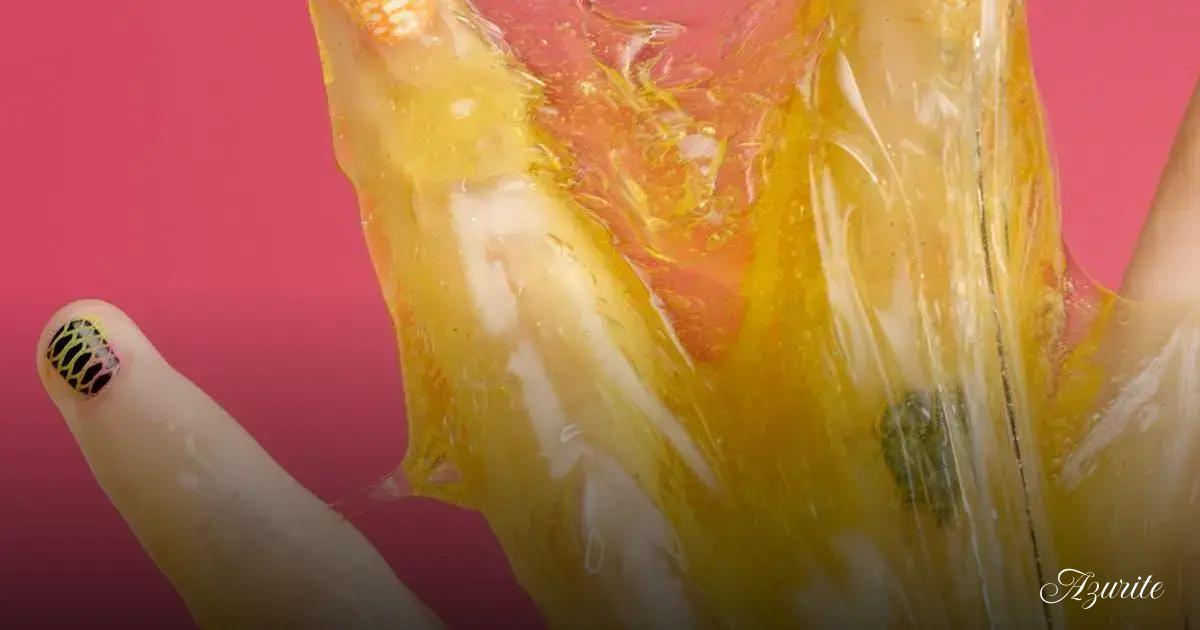

Many people wonder how long they need to wait before putting glued plants into the tank. The truth is that water actually makes the glue dry faster. When cyanoacrylate gel touches moisture, it hardens almost instantly. If you glue a plant outside the tank, you only need to wait a few minutes before placing it back in the water. The moisture in the air and the wet plant roots start the curing process right away.
Busting Common Safety Myths
A huge myth is that standard super glue will poison your fish or shrimp. Once the glue is fully cured and hard, it becomes a completely harmless piece of plastic. It will not leak any bad chemicals into your clean water. You do not need to buy expensive, special pet store brands if you use pure cyanoacrylate gel super glue. Just make sure the tiny tube has no extra anti-mold ingredients, and your tank will be perfectly safe.
How Water Temperature Changes Things
Your tank water conditions can also change how fast the glue sets. Warm water makes the glue cure even quicker than cold water. However, if you add too much glue, the outside will harden fast, but the inside might stay soft and gooey. This thick blob can trap heat and hurt the delicate plant tissue. To avoid this problem, always use a very small drop. This keeps your plants safe and makes sure the glue dries completely solid.
avoiding damage: rhizomes, roots, and leaf contact
Plants like Anubias and Java fern have a thick, green stem at their base called a rhizome. This thick part is the heart of the plant and must stay perfectly clean. If you cover the rhizome in thick adhesive, the plant cannot breathe and will slowly rot away. You should only ever apply glue to the thin, stringy roots that grow from the bottom of the plant.
Keeping the Rhizome Safe
To protect the main plant, carefully place a very small drop of glue directly onto the fine roots. Do not let the gel spread upward into the green stem. Once those thin roots are locked onto a rock or piece of wood, the plant will hold itself safely in place. This simple careful step ensures your underwater garden stays completely healthy and continues to grow.
Protecting Delicate Leaves
You must also be very careful with the soft green leaves. If the chemical touches a leaf, it creates a hard, white burn mark that never heals. That dead spot will ruin the natural look of your plant. Always wipe your fingers clean before you touch the top half of the stems. By using just a tiny dot of aquarium safe glue, you can easily avoid these common mistakes and keep your tank looking beautiful.
pros and cons: gel super glue vs thread
Every aquarium owner must choose the right tool for their aquascape. Gel super glue offers an incredibly fast setup. You just squeeze a drop, press the plant down, and you are done in seconds. This speed makes gluing plants to hardscape very easy, especially for beginners. However, it is completely permanent and can sometimes leave ugly white marks on dark wood if you use too much.
The Benefits of Using Thread
On the other hand, tying plants with cotton thread or fishing line is a very gentle method. Thread will never burn delicate leaves or roots with a harsh chemical reaction. Dark cotton string blends perfectly into the background and naturally melts away after a few weeks. The downside is that tying takes a lot of patience. It can be very frustrating to tie a tiny knot around a slippery, wet rock while trying not to crush the plant.
Making the Best Choice for Your Tank
Your choice usually depends on the specific plant and the shape of your hardscape. If you are working with thick, tough plants like Anubias on rough lava rock, cyanoacrylate gel super glue is the clear winner. If you are attaching soft, fragile moss to a smooth branch, tying it with thread is the safest choice. Many experienced tank builders actually use both methods to create a beautiful and healthy underwater garden.
troubleshooting common failures (slipping, white residue, detaching)
Sometimes your plants just will not stay in place. If your plant keeps slipping off the wood or rock, the surface might be too wet or covered in slippery algae. Always scrub the spot clean and dry it slightly before you add any glue. You also need to hold the plant completely still for at least fifteen seconds. Any small wiggling will break the weak bond before the gel has time to harden completely.
Fixing Bright White Glue Spots
A very common problem is dealing with bright white blobs in your beautiful tank. When you use too much cyanoacrylate gel super glue, the water turns the extra chemical into a thick, ugly white crust. This residue looks terrible against dark natural wood. To avoid this, simply use a much smaller drop next time. If you already have white spots, try covering them by gluing tiny bits of moss directly over the bright mark.
Why Plants Float Away Later
It is very frustrating to wake up and see your newly placed plant floating at the top of the tank. This usually happens if you attach the glue to dead or mushy roots. As those dead pieces rot away, the plant lets go of the hardscape. Always trim off any brown or squishy parts before gluing plants to hardscape. Attaching only fresh, firm green roots ensures a strong hold that will last for a very long time.
removal, repositioning, and long-term maintenance
Sometimes you might want to change the look of your tank. Removing a glued plant is not too hard, but you must be very gentle. Slowly wiggle the plant at its base to snap the brittle glue. Do not pull straight up, or you will tear the fragile roots. If your plant is tied with thread or fishing line, simply snip the string with sharp scissors and lift the green leaves away.
Cleaning the Old Spot
After you remove the plant, you will likely see a hard white patch of old adhesive left on your rock. You can scrape this old cyanoacrylate gel super glue off using a small metal tool or a flat blade. If the crust is too stubborn to remove, simply cover it up with a new piece of moss. When moving the plant to a new spot, always trim away any broken roots before you add fresh glue.
Long-Term Care and Natural Growth
The glue or thread is only meant to hold the plant for a short time. Over a few months, healthy plants will grow their own strong roots that wrap tightly around the wood and rocks. Once these natural roots take over, the plant becomes permanently attached. At this stage, the aquarium-safe glue has done its job completely. You can now prune old leaves and let the plant thrive without worrying about it floating to the top.
budget and brands: cyanoacrylate gel, seachem flourish glue, and DIY options
Buying supplies for your fish tank can get expensive very fast. Luckily, attaching plants does not have to cost a lot of money. You can easily save cash by picking up standard cyanoacrylate gel super glue from any local hardware store. As long as the ingredients list says 100% pure cyanoacrylate without any extra anti-mold chemicals, it is completely safe for your underwater pets. This generic option works exactly the same as the more expensive pet store brands.
Why Choose Name Brands
Many beginners feel much safer buying a product made specifically for fish tanks. Seachem flourish glue is a highly popular choice in the aquascaping hobby. It comes in a high-quality aluminum tube that prevents the gel from drying out too quickly between uses. Buying a trusted name brand gives you total peace of mind because you know it will not harm your delicate fish or shrimp. However, you will pay a slightly higher price for this special packaging.
Cheap and Simple Alternatives
If you are on a very tight budget, the dollar store is your best friend. You can often find multi-packs of tiny gel glue tubes for just one dollar. These small tubes are actually perfect because you can use one for a quick project and throw it away before it clogs. Another amazing cheap option is dark sewing thread. Almost everyone has a sewing kit at home. Using plain cotton thread costs almost nothing and is the safest way to attach fragile moss to your wood.
Picking the Right Method for Your Tank
Choosing between gel super glue and thread does not have to be hard. Both methods work great for keeping your underwater plants exactly where you want them.
If you need a fast and permanent hold for tough plants like Anubias, cyanoacrylate gel is your best friend. Just remember to use a tiny drop to avoid making a white mess in your tank.
On the other hand, if you are working with soft, delicate mosses, wrapping them with dark cotton thread is the safest choice. It protects the fragile stems and melts away naturally over time.
At the end of the day, building a beautiful aquarium is all about having fun and learning. Try using both gluing and tying in your next project to see which style fits your aquascaping needs perfectly!
FAQ – Frequently Asked Questions About Gluing Aquarium Plants
Is regular super glue safe for aquariums?
Yes, standard super glue is completely safe for aquariums as long as its only active ingredient is 100% cyanoacrylate. Once it cures in water, it becomes a harmless, solid plastic.
Why should I use gel super glue instead of liquid?
Gel super glue is much thicker than liquid glue, meaning it won’t run or drip. This gives you better control and prevents the glue from accidentally covering and damaging delicate plant leaves.
When is it better to use thread instead of glue?
Thread is the best choice for fragile plants like mosses. Cyanoacrylate glue releases a small amount of heat when it cures, which can burn very thin roots and delicate stems.
How long do I need to wait for the glue to dry?
Cyanoacrylate gel cures almost instantly when exposed to moisture. You only need to hold the plant still for about 15 seconds, and it is safe to put underwater immediately.
How can I prevent ugly white glue spots on my driftwood?
White spots occur when you squeeze out too much glue. Always use a very tiny drop. If you already have white marks, you can hide them easily by gluing a small piece of moss directly over the spot.
What kind of aquarium plants can I glue?
Epiphyte plants are the best candidates for gluing. Plants like Anubias, Java Fern, and Bucephalandra have thick rhizomes and roots that naturally attach to rocks and wood rather than needing to be buried in soil.