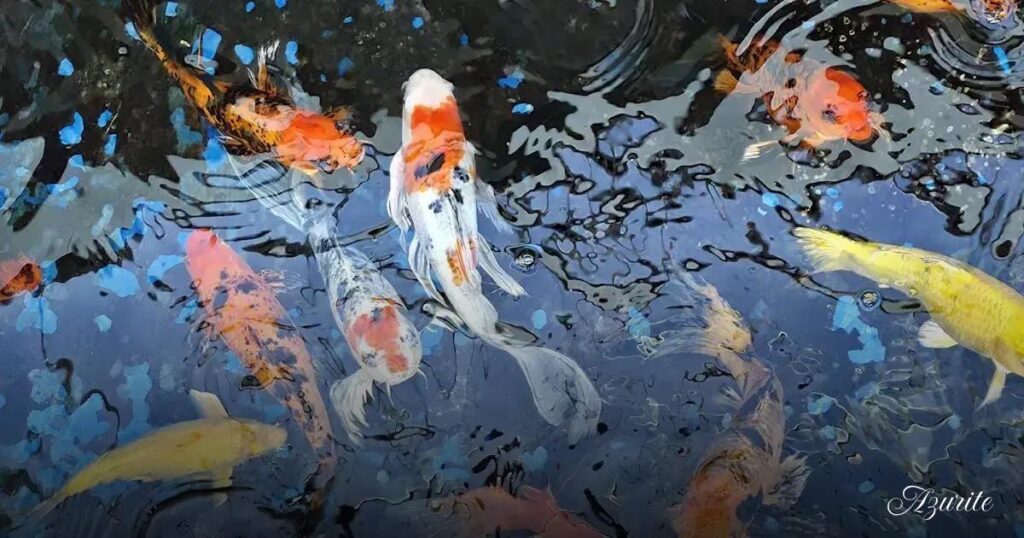
An ammonia calculator is an essential aquarium tool that determines the exact concentration of highly toxic free ammonia in your tank by converting total ammonia nitrogen readings based on current water pH and temperature levels, allowing aquarists to accurately assess water safety and prevent fatal toxic spikes for their fish.
Ammonia calculator helps you see the real risk in your tank: free ammonia (NH3). Wonder if pH or heat make it worse? Let’s check with simple numbers.

What “total ammonia nitrogen” really measures
Most aquarium test kits give you a number for something called Total Ammonia Nitrogen, or TAN. But what does this really mean for your fish? TAN is simply a combined total. It measures two different things mixed together in your tank water.
First, it measures the highly toxic free ammonia (NH3). Second, it measures the mostly harmless ammonium (NH4+). When you read your test kit results, you are looking at both of these added up.
Why Test Kits Show a Combined Number
Testing for just the toxic part is very hard to do directly. Instead, test liquids change color based on the total amount of nitrogen floating around from both chemicals. If your test tube turns green or dark yellow, it means you have nitrogen from waste, uneaten food, or fish breathing.
However, a high TAN reading does not always mean your fish are in immediate danger. It just tells you that waste is breaking down in the water. To know the real risk level, you need to break that total number apart.
The Hidden Danger Inside TAN
Think of TAN as a bucket holding two types of items. Some are safe, and some are dangerous. Your test kit tells you exactly how many items are in the bucket in total. But it does not tell you how many are actually dangerous. That is why understanding the difference between the two parts is crucial. Without knowing how much of your TAN is the toxic form, you might panic over a harmless spike, or ignore a deadly one.
Nh3 vs nh4: how toxicity changes
In your aquarium, ammonia exists in two distinct forms. One is NH3, which is known as free ammonia. The other is NH4, commonly called ammonium. While they sound alike, they act very differently. NH3 is highly toxic to fish and invertebrates. NH4, on the other hand, is mostly harmless.
Fish can handle higher levels of ammonium without showing signs of stress. However, even a tiny amount of free ammonia can cause major problems. Free ammonia easily passes through fish gills and cell walls, causing chemical burns and making it very hard for them to breathe.
How the Balance Shifts
These two chemicals do not just sit still in the water. They constantly change back and forth into each other. The balance between NH3 and NH4 is always shifting inside your tank based on the environment. This means a tank with high total ammonia might actually be completely safe if almost all of it is trapped as harmless ammonium.
But the opposite is also true. A very low total ammonia reading can become deadly fast. If the water conditions push the balance heavily toward NH3, the toxicity in the water shoots up quickly. Knowing that this invisible shift happens is the first step to truly protecting your aquatic pets.
How temperature and ph shift free ammonia
The balance between toxic and safe ammonia is not fixed. It changes based on the water conditions in your tank. Two main factors control this balance: pH and temperature. If these numbers shift, the safety of your aquarium water changes with them.
The Impact of pH Levels
pH has the biggest effect on how much free ammonia is in the water. When your tank water is acidic, meaning the pH is low, most of the ammonia stays as harmless ammonium. This makes the water safer for your fish.
However, when the water is alkaline, or high in pH, the balance shifts quickly. A large amount of the safe ammonium turns directly into toxic free ammonia. Even a small jump in pH can make the water much more dangerous. For example, water with a pH of 8.0 has a lot more toxic ammonia than water with a pH of 7.0, even if the total ammonia reading is the exact same.
Why Temperature Matters
Heat also plays a huge role in this chemical balance. Warmer water pushes the balance further toward toxic free ammonia. If you have a tropical fish tank running at 80 degrees Fahrenheit, your risk is much higher than a cold water tank sitting at 65 degrees.
When you combine high pH with high temperatures, you create a very risky situation. This is why you cannot rely on just a total ammonia test alone. You must always check your pH and your temperature to truly understand the danger level in your tank.
How to use a free ammonia calculator correctly
Using an online tool takes the guesswork out of water testing. Before you open an ammonia calculator, you need to gather three specific numbers from your fish tank. You will need your total ammonia reading, your current pH level, and the water temperature.
Gathering Your Test Results
First, test your water using a reliable liquid drop kit. Write down the total ammonia nitrogen (TAN) result. Next, test your water pH right after. Finally, check your aquarium thermometer for the exact temperature. Do not guess these numbers, because even small errors can give you the wrong safety level.
Entering the Data
Open your chosen ammonia calculator. You will see blank boxes to type in your three numbers. Make sure to check the units for temperature. Some tools ask for Fahrenheit, while others use Celsius. Once you type in your TAN, pH, and temperature, the tool will do the hard math for you.
The final result on your screen is the free ammonia (NH3) level. This is the exact number that tells you if your fish are safe. If the calculator shows that the toxic ammonia is too high, you must take steps right away to fix your water quality.
Safe nh3 thresholds for freshwater and marine fish
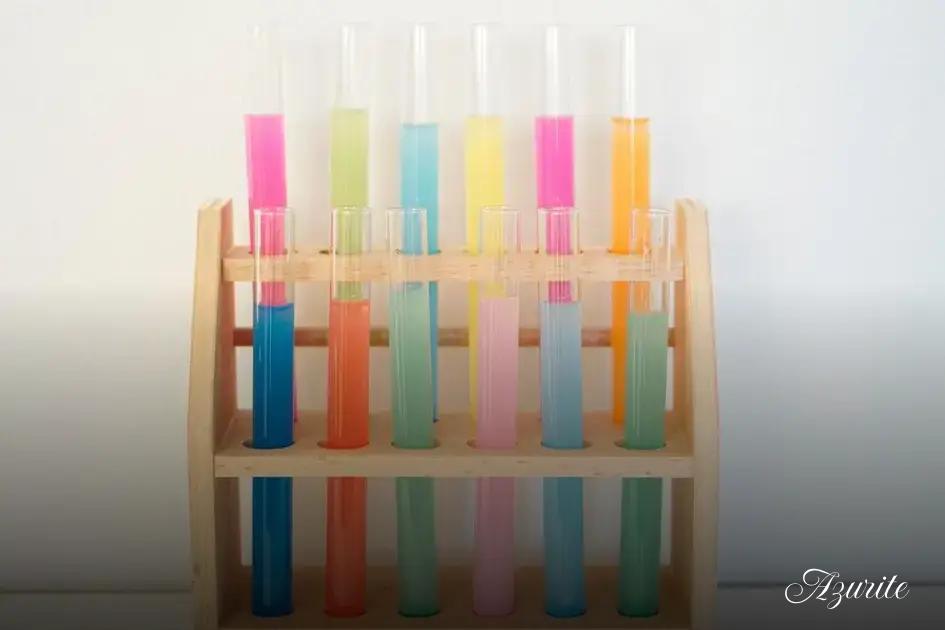

When you check your water, you need to know exactly what numbers are safe. Any amount of free ammonia (NH3) above 0.05 parts per million (ppm) can start to harm your aquarium pets. Ideally, your daily target should always be exactly zero.
Freshwater Tank Limits
Most freshwater fish can survive a tiny, short-term spike, but it is extremely stressful for them. At 0.05 ppm of NH3, fish might start gasping at the water surface. If the level reaches 0.1 ppm or higher, damage to their gills and internal organs happens very quickly. Even if they live through it, their immune system becomes very weak, leading to sickness later on.
Marine Tank Challenges
Saltwater tanks are naturally more dangerous when dealing with ammonia. Marine setups usually run at a higher pH, often between 8.1 and 8.4. Because of this high alkaline pH, much more of the total ammonia shifts directly into the toxic NH3 form. Marine fish and delicate corals are highly sensitive to these sudden chemical changes.
For a saltwater tank, any free ammonia reading above 0.02 ppm is a serious warning sign. You must act fast to protect your delicate reef or marine fish. Always watch your pets closely. If they hide, stop eating, or breathe heavily, test your water right away to ensure your NH3 levels are truly safe.
Step-by-step example: convert TAN to NH3
Let us look at a real example to see how this works. Imagine you test your aquarium water and your liquid test kit shows a Total Ammonia Nitrogen (TAN) reading of 2.0 parts per million. This high number might seem very scary at first. However, we need more details to find the actual danger level.
Gathering the Details
Next, you check your other water conditions. Your digital thermometer says the tank water is 80 degrees Fahrenheit. Then, you test the pH level and get a result of 8.0. Now you have all three pieces of information needed to use an ammonia calculator correctly.
Calculating the Toxic Part
You type these three numbers into your chosen online tool: a TAN of 2.0, a temperature of 80 degrees, and a pH of 8.0. The calculator does the complex math for you. It reveals that your free ammonia (NH3) is about 0.1 ppm. This means only a small piece of the total reading is actually toxic. However, since 0.1 ppm is above the safe limit, you still need to do a water change right away.
What if your pH was lower? Imagine your water had a pH of 7.0 instead. If you put that new number into the calculator with the same TAN and temperature, the toxic NH3 drops down to just 0.01 ppm. With a lower pH, the exact same total ammonia reading becomes perfectly safe for your fish. This step-by-step example proves why checking pH and heat is always required.
Choosing reliable test kits and avoiding errors
Not all aquarium test kits are created equal. When it comes to checking your water, liquid drop kits are widely considered the most accurate option. Paper test strips might seem quick and easy, but they often give vague or slightly wrong numbers. Since your ammonia calculator relies on exact data, using a highly accurate liquid kit is essential for keeping your fish safe.
Common Testing Mistakes
Even the best kits can give bad results if you do not use them correctly. One major mistake is using expired testing liquids. Chemical drops go bad over time, which ruins their accuracy. Always check the expiration dates printed on the test bottles. Using old chemicals will give you false readings, leading you to think the water is safe when it is actually toxic.
Another common error is failing to read the instructions carefully. Many ammonia test kits require you to shake the second bottle vigorously before adding drops to the water sample. If you skip this step, the chemicals do not mix properly inside the bottle. Always shake the test liquids exactly as the manual says to ensure the colors develop correctly in the tube.
Reading the Colors Accurately
Matching the colored water to the printed test chart can be tricky. Indoor room lighting can change how the colors look to your eyes. To avoid mistakes, hold the glass tube flat against the white part of the color card. View the results under bright, natural daylight whenever possible. This simple trick prevents you from confusing a dangerous green tint with a safe yellow one.
Common pitfalls that skew ammonia readings
Certain water treatments can completely trick your ammonia test. Many popular tap water conditioners do not actually remove ammonia from your tank. Instead, they bind the chemical into a safe, non-toxic form to protect your fish.
The Problem with False Positives
However, some older test kits cannot tell the difference between bound ammonia and dangerous ammonia. These kits will show a massive ammonia spike even when your water is perfectly safe. This false positive reading can cause you to panic and make sudden, unneeded changes to your aquarium. To avoid this trap, always check that your chosen test kit uses the salicylate testing method rather than the older Nessler method.
Dirty Tubes and Timing Errors
Another major pitfall is failing to clean your equipment. If you do not rinse and dry your glass tubes completely after testing, leftover chemicals will mix with your next water sample. This old residue ruins the new reaction, giving you a falsely high number.
Timing is also extremely critical for exact results. Most liquid tests take exactly five minutes to develop the right color. If you read the tube too early, the result will look dangerously low. If you forget about it and read it an hour later, the liquid will turn much darker than it should. Always use a digital timer to check your results at the precise moment.
What to do when free ammonia is high
When your calculator reveals a dangerous free ammonia level, you must act fast to save your fish. The absolute best first step is a large, immediate water change. Removing up to 50 percent of the tank water instantly cuts the toxic ammonia level in half. Make sure the new water is properly conditioned and matches the current tank temperature to avoid shocking your pets.
Stop Feeding Immediately
Fish food and fish waste are the main sources of aquarium pollution. Even if your fish beg for a meal, you must stop feeding them for at least a few days. Healthy fish can easily survive without food for an entire week. Adding more food to the tank right now will only make the deadly chemical spike much worse.
Use an Emergency Detoxifier
If a water change is not enough to bring the numbers down, use a liquid ammonia binder. These water treatments do not remove the nitrogen from the tank, but they quickly convert the toxic free ammonia into a safe form. This emergency step gives your beneficial tank bacteria a chance to catch up and consume the waste.
However, you cannot rely on chemicals forever. Liquid binders usually only protect your fish for 24 to 48 hours. You still need to monitor your water closely and perform daily water changes until the natural cycle is fully restored and the free ammonia returns to zero.
Long-term strategies to prevent ammonia spikes

Keeping your tank safe over time means building a stable environment. The best defense against toxic free ammonia is a strong biological filter. Good bacteria live in your filter media and eat waste before it becomes dangerous. Never wash your filter sponges in untreated tap water, because the chlorine will instantly kill these helpful bacteria.
Control Feeding and Stocking
Overfeeding is the most common cause of sudden water quality issues. Give your fish only what they can eat in two or three minutes. Any leftover food rots at the bottom and quickly turns into ammonia. Also, avoid adding too many fish to your tank at once. A crowded aquarium produces more waste than the good bacteria can safely handle.
Stick to a Maintenance Routine
Consistent water changes are vital for long-term success. Removing 20 to 30 percent of the water every week dilutes hidden toxins and keeps the water fresh. While you do this, use a gravel vacuum to clean the sand or rocks where waste hides. Regular testing is your early warning system. Check your total ammonia, pH, and temperature weekly so you can catch small chemical changes before a real emergency happens.
Keep your aquarium safe with accurate testing
Keeping your fish healthy does not have to be a guessing game. By understanding the difference between total ammonia and toxic free ammonia, you can protect your tank from hidden dangers.
Always remember that pH and temperature play a huge role in your water quality. A simple spike in heat or a shift in pH can turn a safe tank into a dangerous one very quickly.
Using an ammonia calculator takes the stress out of water testing. It gives you the exact numbers you need to make smart choices for your aquatic pets.
Stick to a regular testing routine, clean your tank often, and do not overfeed your fish. With these simple habits, you will enjoy a beautiful, safe, and thriving aquarium for years to come.
FAQ – Frequently Asked Questions About Ammonia Toxicity
What is the difference between total ammonia (TAN) and free ammonia (NH3)?
Total ammonia nitrogen (TAN) measures both toxic free ammonia (NH3) and harmless ammonium (NH4) combined. Free ammonia is the specific part that is highly dangerous to your fish.
Why do I need an ammonia calculator for my fish tank?
Standard test kits only show total ammonia. An ammonia calculator uses your tank’s pH and temperature to figure out exactly how much of that total is toxic free ammonia.
How does pH affect ammonia toxicity in an aquarium?
Higher pH levels cause harmless ammonium to convert into toxic free ammonia. Even a small increase in pH can make the water much more dangerous for your aquatic pets.
What is considered a safe level of free ammonia (NH3)?
The ideal level of free ammonia is exactly zero. Anything above 0.05 ppm in freshwater or 0.02 ppm in saltwater can severely harm your fish and cause permanent damage.
Can water temperature change my ammonia test results?
Yes, warmer water increases the amount of toxic free ammonia in the tank. A tropical tank running at 80 degrees Fahrenheit is at a higher risk than a cold water tank with the exact same total ammonia reading.
What should I do if my free ammonia is too high?
Perform an immediate 50 percent water change to dilute the toxins, stop feeding your fish for a few days to prevent more waste, and use an emergency liquid ammonia binder if the levels remain dangerous.