

Keeping discus fish for beginners requires maintaining warm, stable water parameters between 82 and 86 degrees, committing to a strict weekly routine of 25 to 50 percent water changes, and sourcing hardy, captive-bred varieties like Stendker discus to ensure a healthy, stress-free aquarium environment without needing complex equipment.
Discus Fish for Beginners can feel intimidating, but it doesn’t have to. With steady habits and simple checks, you can keep stress low—curious how?
What a realistic discus tank setup looks like at home
A home discus tank does not need to look like a sterile lab. While many breeders use bare glass tanks, you can create a beautiful and natural look that is still easy to clean. The secret is finding the right balance between style and simple upkeep.
Start with tank size. A 55 to 75-gallon aquarium is the minimum size for a small group of young discus. These fish love to swim together, so having enough space keeps them happy and reduces stress.
Choosing the Right Substrate and Decor
You do not have to leave the bottom bare. A thin layer of fine sand looks great and is very safe. Fish waste sits on top of the sand, making it simple to siphon out during water changes.
For decorations, keep it simple. Large pieces of smooth driftwood provide great hiding spots. You can tie hardy plants directly to the wood. Plants like Anubias or Java Fern do well in warm water and do not need messy soil.
Lighting and Heating Setup
Discus fish are naturally shy and do not like bright, harsh lights. Use adjustable LED lights to create a soft, dim glow. This makes the fish feel safe and brings out their stunning colors.
Heat is another big factor. You need a reliable heater because discus need warm water, usually between 82 and 86 degrees Fahrenheit. Place the heater near the filter flow so the warm water spreads evenly across the whole tank.
Discus fish water parameters you can actually maintain
When looking at discus fish water parameters, stability is much more important than hitting a perfect number. Many beginners stress over getting the exact pH, but constantly changing your water chemistry can actually harm your fish. Captive-bred discus are quite adaptable if you keep the water clean and steady.
The Core Numbers You Need
Temperature is the most critical factor. You should keep the water between 82 and 86 degrees Fahrenheit. This warm water boosts their immune system and keeps their metabolism running smoothly. If the water gets too cold, discus become stressed and sick.
For your pH levels, anything between 6.5 and 7.5 is completely fine for most domestic discus. Do not use chemical drops to lower your pH. These chemicals cause sudden swings in the water, which is very dangerous. Just use your tap water, provided it is properly treated with a good water conditioner.
Managing Waste Levels
Ammonia and nitrites must always stay at absolutely zero. Even a tiny amount can burn the gills of your fish. A fully cycled tank with a healthy biofilter will handle this naturally for you.
Nitrates are the final piece of the puzzle. You want to keep nitrates as low as possible, ideally under 15 to 20 ppm. You can easily maintain this level by doing regular water changes. Changing 25 to 50 percent of the water a couple of times a week is a simple routine that keeps your tank safe and your discus thriving.
Heating, filtration, and flow: getting stability, not perfection
A good filter keeps your water clean, but you do not need the most complicated system. The goal is steady biological filtration that breaks down waste every single day. Many successful keepers use a mix of a canister filter and a simple sponge filter. This combination holds a lot of good bacteria and keeps your water safe without much effort.
Managing Water Flow
Discus are tall, flat fish. Because of their unique shape, they struggle in fast-moving water. If your filter pushes water too hard, it will stress your fish and tire them out. You can easily fix this by pointing the filter nozzle toward the glass or using a spray bar. Gentle water movement is all they need to stay active and relaxed.
Smart Heating Strategies
Heating is critical because discus require a warm environment to thrive. Instead of buying one giant heater, it is much smarter to use two smaller heaters. If one heater breaks and stops working, the second one will keep the water warm enough until you can replace it. If one gets stuck in the “on” position, it will not overheat the tank as quickly as a large heater would.
Always place your heaters near the filter intake or output. Moving water spreads the heat evenly across the whole tank, preventing dangerous cold spots. Checking your thermometer daily is a simple habit that ensures your setup remains stable over time.
Quarantine and sourcing: wild vs. domestic vs. stendker discus care
Where you buy your fish is the most important choice you will make. If you bring home sick fish, even the best tank setup will fail. Sourcing healthy fish from a trusted breeder saves you time and stress. No matter where they come from, you must always place new fish in a separate quarantine tank first to protect your main aquarium.
Choosing Between Wild and Domestic
There are big differences between wild and tank-bred fish. Wild discus come straight from the Amazon river. They require very soft, acidic water and are usually too difficult for beginners. On the other hand, domestic discus are bred in captivity. They easily adapt to normal tap water, making them a much safer choice for your first tank.
Understanding Stendker Discus
If you want strong and hardy fish, look into German-bred varieties. Stendker discus care is very popular because these fish are raised in harder tap water. They are known for their thick bodies and healthy appetites. Breeders often feed them a special beef heart mix to help them grow large quickly. Because they are so tough, they are an excellent option for anyone starting out.
How to Quarantine Safely
Never skip the quarantine step. Keep your new fish in a simple, bare-bottom tank for at least four weeks. During this time, watch them closely every single day. Look for clear eyes, smooth breathing, and a strong desire to eat. If they show any signs of sickness, you can treat them easily in this smaller tank without putting your other fish in danger.
Discus feeding guide: schedules, portions, and safe foods
A proper discus feeding guide is essential for growing colorful and healthy fish. Young discus grow very fast, so they need to eat frequently. You should aim to feed juveniles three to five small meals every day. Adult discus, on the other hand, only need one or two meals a day to stay in great shape.
Portion control is just as important as the schedule. You should only offer what your fish can completely finish in three to five minutes. Overfeeding is a common mistake that leaves food rotting at the bottom. This ruins your water quality very quickly. Always remove any uneaten food with a siphon to keep the tank safe.
Choosing Safe and Nutritious Foods
Discus thrive on a high-protein diet. High-quality sinking pellets or granules should be the main part of their meals. These dry foods are very clean, packed with vitamins, and perfectly safe for daily use.
For frozen options, beef heart mixes are a famous choice that helps discus grow thick and strong. Frozen bloodworms and brine shrimp are also excellent treats to mix into their routine. You should avoid feeding live foods whenever possible. Live worms often carry harmful parasites that can easily make your whole tank sick.
Tank mates that work—and those that stress discus
Discus are peaceful and slow-moving fish. Because of their calm nature, they get stressed easily if they share a tank with aggressive or fast-swimming fish. Choosing the right companions is vital for keeping your aquarium relaxed and healthy. You must find fish that enjoy warm water and have a gentle personality.
Best Fish to Keep with Discus
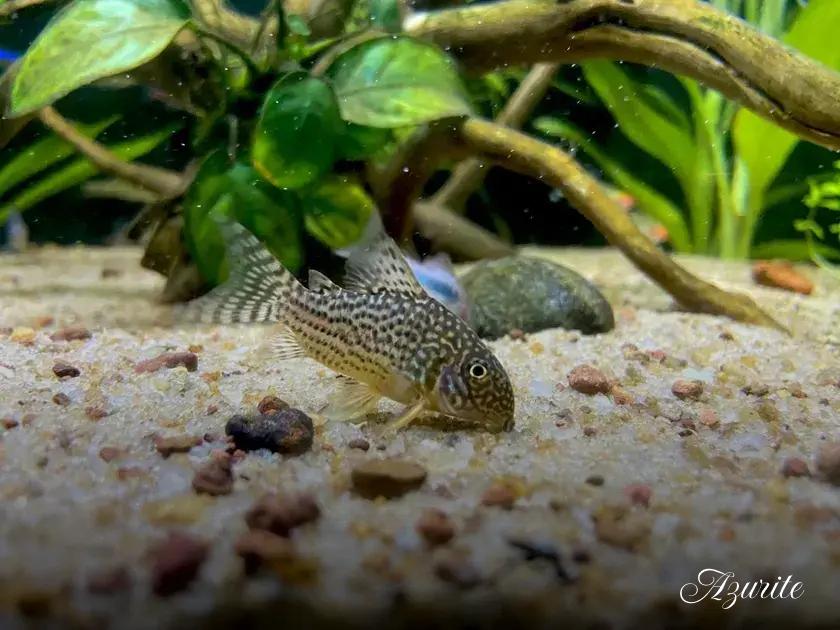
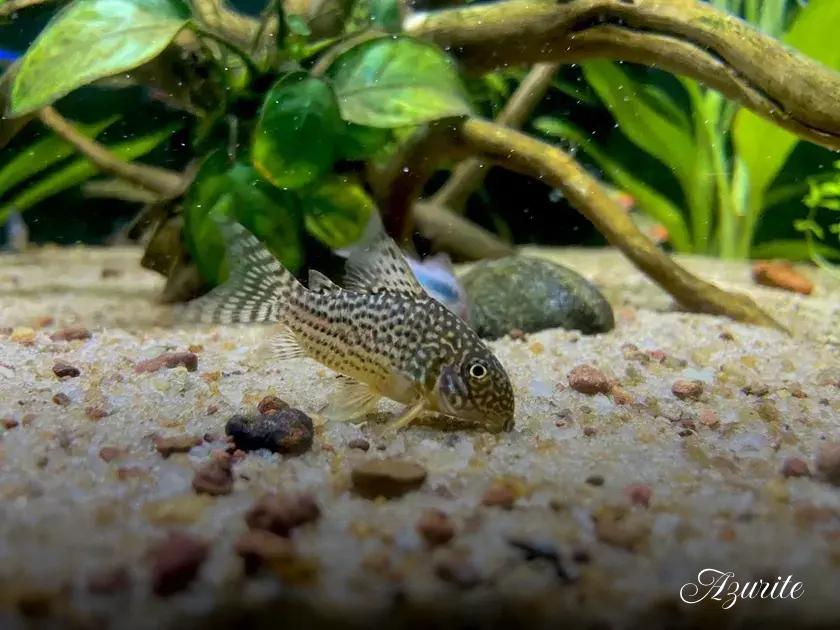
Small, schooling fish make the best tank mates. Cardinal tetras and Rummy-nose tetras are classic choices. They look beautiful swimming together and thrive in the exact same warm temperatures. For the bottom of the tank, Sterbai Corydoras are excellent helpers. They safely clean up leftover food on the sand without bothering anyone.
Fish You Must Avoid
Never put fast, nippy, or aggressive fish in your discus tank. You should strictly avoid species like Tiger Barbs or large, territorial Cichlids. These fish dart around constantly and will steal food before your slow-eating discus can get a bite. They may also nip at their long, delicate fins, causing serious injuries and severe stress.
Sucker-mouth catfish can also be a hidden danger. While a small Bristlenose Pleco is usually safe, common Plecos grow very large. As they get older, they sometimes attach themselves to the flat sides of the discus to eat their protective slime coat. Always research a fish thoroughly before adding it to your peaceful setup.
How to cycle and keep the biofilter healthy for discus
Before you add any discus, your tank must go through the nitrogen cycle. This process builds a colony of good bacteria inside your filter. These bacteria are your biofilter, and they act as the immune system of your tank. Without them, fish waste turns into toxic ammonia very quickly.
Starting the Cycling Process
To start a fishless cycle, you add pure liquid ammonia to the water. You will need a liquid testing kit to check the water every few days. Slowly, bacteria will grow and turn the ammonia into nitrites, and then into safer nitrates. When your test shows exactly zero ammonia and zero nitrites for 24 hours, your tank is fully cycled and ready for fish.
Protecting Your Biofilter
Once your biofilter is healthy, you must protect it carefully. Good bacteria live on surfaces, mostly inside your filter media like sponges and ceramic rings. They do not live in the water itself. Because of this, you should never wash your filter pads in plain tap water. The chlorine in tap water will instantly kill your hard-working bacteria.
Instead, always rinse your filter media in a bucket of old tank water during your regular cleaning routine. This keeps the bacteria alive while washing away the solid waste. Also, remember to use a good water conditioner every single time you add fresh water to the tank. This simple step removes dangerous chlorine and keeps your biofilter working perfectly.
Weekly maintenance routine that keeps stress low
Keeping discus healthy is all about consistency. A predictable weekly routine prevents water issues and keeps your fish calm. You do not need to spend hours cleaning every day. A few simple steps will keep the environment safe and beautiful.
Mastering the Water Change
The most important task is the weekly water change. You should aim to swap out 25 to 50 percent of the water at least once or twice a week. When adding fresh water, always make sure it matches the warm temperature of the tank. Sudden cold water shocks the discus and quickly hurts their immune system.
Cleaning the Tank Safely
While draining the water, use a gravel vacuum to gently siphon the sand. This removes trapped waste and leftover food before it rots and turns into ammonia. Move your hands slowly so you do not scare the fish. They will quickly learn that the siphon is not a threat if you stay calm and steady.
Finally, take a few minutes to wipe the inside glass with a soft algae pad. Check your heater and filter to ensure everything is running smoothly. A reliable maintenance routine keeps the water crystal clear and stops small problems before they ever start.
Budget and time commitments most beginners underestimate
Many people buy their first fish without knowing the real cost. Keeping these beautiful fish requires more money and time than a basic community tank. You need to plan your budget carefully before you bring them home.
The Real Cost of Setting Up
The biggest expense is the tank itself. A large setup with a strong stand, good filters, and reliable heaters is not cheap. Next, you have to buy the fish. Healthy, colorful discus are expensive because they take a long time to breed and raise. If you find very cheap fish, they are usually sick or poorly grown. Investing in quality fish saves you money on medicine and stress later.
Ongoing Expenses and Daily Time
Your water and electricity bills will go up. Keeping the water very warm uses a lot of power. Also, doing large water changes twice a week requires a lot of fresh water and high-quality water conditioners.
You must also think about the time you need to spend. Feeding them high-protein meals several times a day takes real effort. You will spend at least a few hours every week cleaning the glass, siphoning the sand, and checking your equipment. This time commitment is completely normal for a successful tank, but you must be ready for it before you start.
Early warning signs of trouble and what to do first
Catching problems early is the best way to save your fish. If your discus turns a dark, almost black color, or hides completely in the back corner, they are highly stressed. Healthy fish are bright, active, and usually greet you at the front of the glass when they want food.
Breathing and Eating Changes
Watch their gills very closely. If they are breathing rapidly or only using one gill, it is a clear warning sign. Another major red flag is when they stop eating entirely or spit their food back out. A strong appetite is always the best sign of a healthy fish. If they ignore their favorite meal, you need to act fast.
The First Steps to Take
Never dump medicine into the tank right away. Most fish issues happen simply because of poor water quality. Your very first step should always be checking your water parameters. Test the water for ammonia, nitrites, and nitrates. Also, check your digital thermometer to make sure your heater has not failed and the water is still safely warm.
If your water tests show any strange spikes, do a large water change immediately. Swapping out 50 percent of the water with clean, warm, conditioned water fixes most minor issues very quickly. You should only look into buying specific medications if the water is perfectly clean and the symptoms continue for several days.
Is Keeping Discus Fish Really That Hard?
Keeping discus fish does not have to be a scary task for beginners. If you focus on a clean setup and steady habits, you will do just fine. The secret is keeping your water warm and your routine very simple.
Always remember that stability is much better than chasing perfect water numbers. By choosing healthy fish from a good breeder and feeding them a high-protein diet, you set yourself up for success. Peaceful tank mates and regular water changes will keep stress away from your fish.
Yes, these beautiful fish take a bit more time and money than a basic community tank. However, watching a bright, happy group of discus swim in your living room is completely worth the effort. Take it one step at a time, stay consistent, and enjoy your amazing new aquarium.
FAQ – Frequently Asked Questions About Keeping Discus Fish
Are discus fish really that hard for beginners to keep?
They require more care and consistency than basic tropical fish, but they are not impossible. By maintaining a steady cleaning routine, keeping the water warm, and buying healthy domestic fish, beginners can absolutely succeed.
What temperature do discus fish need?
Discus thrive in very warm water, typically between 82 and 86 degrees Fahrenheit. Using two smaller heaters instead of one large one is a great way to keep this temperature stable safely.
Do I need perfect pH levels for my discus tank?
No, stability is much more important than a perfect number. Captive-bred domestic discus can adapt to most tap water pH levels (usually between 6.5 and 7.5) as long as it remains steady without sudden swings.
What is the best food for young discus fish?
Young discus need a high-protein diet fed 3 to 5 times a day. High-quality sinking pellets or granules, beef heart mixes, and frozen bloodworms are excellent choices for healthy growth.
Can I put discus fish in a tank with other fish?
Yes, but you must choose peaceful, warm-water companions. Small schooling fish like Cardinal tetras or Rummy-nose tetras, and bottom-feeders like Sterbai Corydoras, make perfect tank mates.
How often should I change the water in my discus tank?
You should aim to change 25 to 50 percent of the water at least once or twice a week. Frequent water changes keep nitrates low, remove waste, and prevent stress or sickness.