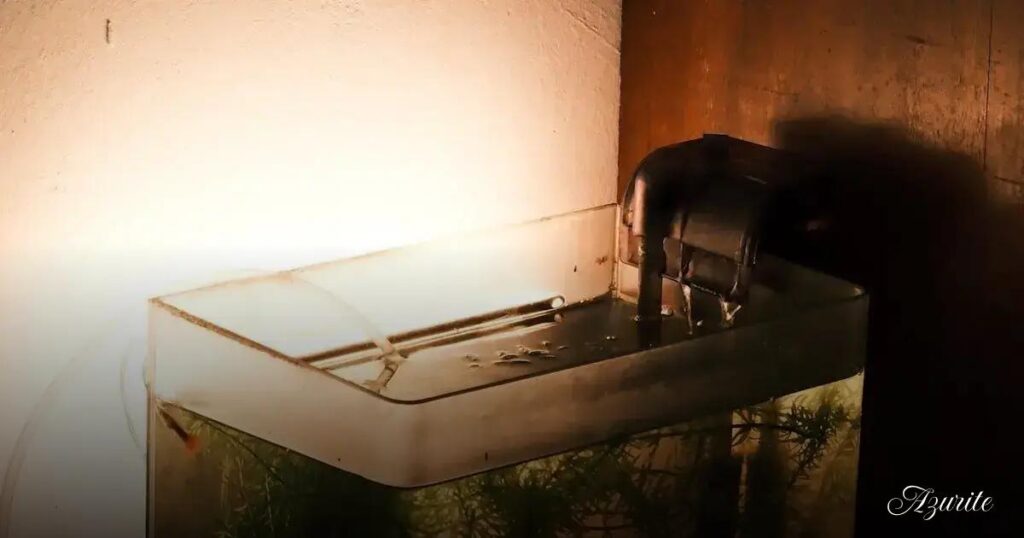
Red velvet disease, also known as Oodinium, is a highly contagious parasitic infection in aquarium fish identified by a fine gold-dust coating and severe respiratory distress, requiring immediate isolation in a darkened quarantine tank and targeted treatment with copper, chloroquine phosphate, or aquarium salt to fully eradicate the fast-spreading parasites.
red velvet can creep up on a tank fast: fish clamp fins, breathe hard, then show a faint gold dust shimmer. Not sure what you’re seeing? Let’s sort the signs and fixes in plain steps.

What velvet disease (oodinium) is and why it spreads fast
Velvet disease is caused by tiny parasites known as dinoflagellates. In freshwater tanks, the exact culprit is usually Oodinium pillularis. These microscopic pests attach themselves to the skin and gills of your fish to feed on their cells. Interestingly, they act like a mix between a tiny animal and a plant. They actually contain chlorophyll, which means they can use light to survive and grow stronger.
The Fast-Moving Life Cycle
The main reason this disease sweeps through a tank so quickly is its rapid reproduction cycle. Once a mature parasite drops off a sick fish, it sinks to the bottom of the tank. There, it forms a protective shell and divides into hundreds of new cells. Within a few days, the shell breaks open. Suddenly, hundreds of free-swimming parasites shoot up into the water column, actively hunting for new fish to infect.
Why Light Makes the Spread Worse
Because these pests have plant-like traits, they use your aquarium lighting to produce extra energy. If you leave the tank lights on for long hours, the parasites get a massive energy boost. This helps them multiply at a much faster rate. A single infected fish can lead to a full tank outbreak in less than a week if the water flow and bright lights give the parasites exactly what they need to thrive.
Early oodinium symptoms: behavior changes and the gold dust look
Long before you see any spots, your fish will act strangely. The first oodinium symptoms usually show up in their daily behavior. A sick fish might hide in dark corners or rest heavily on the bottom of the tank. You might also notice them darting around and rubbing their bodies against rocks, gravel, or decorations. This scratching, often called flashing, happens because the microscopic parasites severely irritate their skin.
Breathing Problems and Clamped Fins
As the velvet parasites attack the sensitive gills, breathing becomes very difficult. You will likely see the fish gasping at the water surface or moving their gills much faster than normal. Another early warning sign is clamped fins. A stressed or sick fish will hold its fins tightly against its body instead of swimming with them fully spread out.
Spotting the Gold Dust Look
The most famous sign is a fine yellow, rusty, or brown coating on the skin. This is exactly why many hobbyists call it gold dust disease. However, this dust is extremely tiny and very hard to see under bright, normal aquarium lights. To spot it early, turn off the tank lights and darken the room. Shine a small flashlight directly onto the side of the fish. If they are infected, the light will catch a faint, shiny, golden mist coating their scales.
Velvet vs ich: practical ways to tell them apart
When spots appear on your fish, you might get confused. Knowing the difference between velvet vs ich saves time and saves fish. Both illnesses cause itching and scratching, but the spots look completely different on the skin.
The Salt Grain Look of Ich
Ich looks like tiny grains of white salt stuck to the body and fins. These white spots are very easy to see under normal tank lights. You can usually count the individual white dots on the sick fish.
The Fine Dust of Velvet
Velvet is much smaller and harder to see. Instead of thick salt grains, it looks like fine powdered sugar or a rusty gold mist. You cannot count these tiny dots. They cover the fish like a smooth film, which is easiest to spot using a flashlight in a dark room.
Noticing Different Behaviors
Both problems make fish rub and scratch against rocks or gravel. However, velvet attacks the sensitive gills much earlier and much harder than ich does. If a fish is gasping for air at the surface before showing any skin spots, it is highly likely dealing with velvet disease instead of ich.
When to isolate sick fish and stabilize water parameters
If you see your fish gasping, hiding, or covered in a faint gold mist, you must act fast. Move the sick fish to a separate quarantine tank right away. This simple step stops the parasites from jumping onto your healthy fish. A bare-bottom tank with a simple sponge filter works best for this job.
Why Fast Isolation Matters
Velvet disease spreads extremely fast. Every minute a sick fish stays in the main tank, thousands of new parasites can drop off into the water. By isolating the infected fish, you protect the rest of your tank. You also make it much easier to use strong medicines that might hurt live plants or gentle snails in your main display.
Checking and Fixing Water Quality
Before adding any medicine, you need to check your water parameters. Poor water quality causes severe stress, making it much harder for your fish to heal. Test the ammonia, nitrite, and nitrate levels in both the main tank and the hospital tank. You want your ammonia and nitrite to sit firmly at zero.
Keep the water temperature and pH steady during the whole process. Sudden changes will only weaken the immune system of your sick fish. Do a partial water change if the nitrate levels are too high. Clean, stable water is the very first step in beating a velvet disease outbreak.
Proven treatments: copper, chloroquine, and salt explained

Once you move your sick fish to a hospital tank, you need the right medicine. You have three main choices to clear out velvet disease: copper, chloroquine phosphate, and aquarium salt. Each option works well, but they target the parasites in completely different ways. Picking the right one depends heavily on the types of fish you keep.
Using Copper to Kill Parasites
Copper is the most common and effective choice for fighting this disease. It works by poisoning the free-swimming stage of the parasite. However, copper treatment for velvet is very strong. You must use a copper test kit daily to keep the medication levels safe. If the copper gets too high, it will severely harm your fish. If it drops too low, the parasites will simply survive. Never use copper in tanks with shrimp, snails, or live plants, as it is deadly to them.
The Power of Chloroquine Phosphate
Many fish keepers now prefer chloroquine phosphate over copper. It is a powerful anti-parasite medicine that acts fast and is often much safer for delicate fish. You do not need to test the water daily to check the medicine levels. It simply stays active in the water for several weeks, giving your fish a steady cure. You just need to keep the tank very dark, because bright aquarium lights will break down the medicine very quickly.
Aquarium Salt as a Mild Option
If you have sensitive fish that cannot handle harsh chemicals, pure aquarium salt is a great backup plan. Adding a specific dose of salt to the water changes the fluid balance inside the parasite, causing it to dry out and die. While salt is a safer gold dust disease treatment, it takes much longer to work than chemical medicines. Always dissolve the salt in a separate cup of water before pouring it into the tank, and ensure your specific fish species can tolerate salt.
Copper treatment for velvet: dosage, duration, and safety checks
Using copper to fight this parasite requires extreme care. You cannot just pour it into the tank and hope for the best. Copper is a strong medicine, and getting the amount wrong can quickly harm your fish. To make the copper treatment for velvet work properly, you must be exact and patient with the process.
Getting the Dosage Exactly Right
You must always follow the instructions on your specific bottle of copper medicine. Most treatments aim for a safe level in the water, usually around 0.5 parts per million. To reach this level safely, add the medicine slowly over two or three days. This slow increase gives your sick fish time to adjust to the chemical without going into shock.
How Long the Treatment Takes
The parasites form a tough protective shield when they fall off the fish and sit on the tank floor. Copper only kills them when they finally hatch and swim freely in the water. Because of this tricky life cycle, you must keep the copper levels steady for a full 14 to 30 days. If you stop the medicine too early, the parasites will simply hatch and start the outbreak all over again.
Daily Safety Checks and Testing
You absolutely need a high-quality copper test kit for this to work. Check the water every single day. If the copper level drops too low, the medicine stops working. If the level goes too high, your fish could suffer from poisoning. Watch your fish closely for heavy breathing or refusing to eat, which are clear signs of stress. Once the treatment period is completely finished, use fresh activated carbon in your filter to pull all the remaining medicine out of the water safely.
Gold dust disease treatment without copper: limits and risks
If you cannot use copper because you have snails, shrimp, or very sensitive scaleless fish, you need other options. A popular gold dust disease treatment without copper involves medications like acriflavine or a mix of formalin and malachite green. These chemicals work differently by attacking the parasite at various stages of its life cycle, but they come with their own strict rules.
The Limits of Alternative Medicines
The biggest limit with these alternative treatments is their overall strength. They often take much longer to completely kill the parasites compared to a standard copper routine. Because these alternative medicines break down quickly in the aquarium water, you usually have to dose the tank multiple times a week. If you miss a single dose or forget the required water changes, the velvet outbreak can easily bounce back and strike your fish again.
Risks to Your Tank and Fish
Choosing treatments without copper still carries serious risks. Chemicals like malachite green and acriflavine can permanently stain your aquarium silicone, air tubes, and decorations, turning them bright green or yellow. Furthermore, these medicines can still be toxic to certain scaleless fish, like loaches and corydoras catfish, if you use the standard dose. You often need to use a half-dose to keep sensitive fish safe, which makes the treatment even slower.
Using Heat and Salt Safely
Another common copper-free method relies purely on raising the water temperature and adding pure aquarium salt. While this is the most natural approach, it only works if you catch the disease in its very early stages. If the velvet infection is already severe and covering the gills, raising the heat will actually lower the oxygen levels in the water. This makes it much harder for your stressed fish to breathe and can be fatal.
Supportive care: heat, darkness, and strong aeration
Medications work best when you combine them with a smart physical environment. Since the oodinium parasite uses light to produce energy, turning off your aquarium lights is a highly effective tactic. By keeping the hospital tank completely dark, you cut off their food supply and weaken them fast. You can even wrap the tank in a thick towel or blanket to block out natural sunlight from the room.
Speeding Up the Life Cycle
Another powerful tool is the aquarium heater. Slowly raising the water temperature to around 82°F (28°C) forces the parasite to grow and divide much faster. Why is this helpful? Medicines can only kill the parasite when it is swimming freely in the water. By using heat, you push the pests into this vulnerable free-swimming stage much quicker, which cuts down the overall treatment time.
Boosting Oxygen Levels
However, warmer water holds much less oxygen. Because velvet disease severely damages the delicate gills, your sick fish are already struggling to breathe. Adding strong aeration is completely necessary to save them. Drop an extra air stone into the tank or turn up the air flow on your sponge filter. This creates heavy surface agitation, pumping fresh oxygen into the water and helping your fish survive while the medicine does its heavy lifting.
Preventing reinfection: cleaning tank, filter, tools, and nets
Once your fish are safely healing in the hospital tank, you must focus on your daily equipment. The microscopic parasites can easily survive in tiny drops of water left on nets, gravel siphons, or algae scrapers. If you dip a contaminated net into a clean aquarium, the whole nightmare starts all over again. You need a strict cleaning routine to keep your gear completely safe.
Sterilizing Nets and Tools
The easiest way to clean your wet gear is by soaking it in a strong cleaning solution. A mix of hot water and a small amount of unscented bleach works perfectly for this job. Let your nets, tweezers, and water-testing tubes soak in this dip for at least fifteen minutes. Afterward, rinse them heavily with fresh water and let them air dry completely in direct sunlight. The velvet disease parasite cannot survive on tools that are totally dry.
Managing the Main Display Tank
If you moved all your sick fish to a separate quarantine setup, your main tank is now empty. This is actually a massive advantage. Without any live fish to feed on, the free-swimming parasites will eventually starve to death. To make sure the display tank is fully clear, simply leave it without fish for four to six full weeks. This fallow period breaks the life cycle naturally.
Cleaning the Filter Safely
You might be tempted to bleach your main filter, but you must avoid doing that. Destroying the filter media will crash your tank cycle and cause deadly ammonia spikes when you return your fish. Instead, let the long fishless waiting period starve the parasites inside the filter naturally. You can just vacuum the gravel heavily to suck up any resting cysts from the bottom of the tank.
Common mistakes that make velvet return and how to avoid them
Many fish keepers fight off the golden dust only to see it come back a few weeks later. The biggest mistake is stopping the medicine too soon. When your fish look healthy and the tiny spots disappear, you might think the sickness is completely gone. However, the microscopic parasites are usually just hiding on the bottom of the tank in their resting stage. You must continue the treatment for the full recommended time, usually up to 30 days, to kill every single hatching parasite before it strikes again.
Skipping the Quarantine Tank
Another major reason oodinium returns is skipping quarantine for new arrivals. Whenever you buy new fish, snails, or even live plants, they can carry hidden pests. Dumping them straight into your main display tank is a huge risk. Always place new aquatic pets in a separate quarantine tank for at least four weeks. This gives you plenty of time to watch for heavy breathing or scratching before they can infect your main aquarium.
Sharing Wet Tools Between Tanks
Cross-contamination is a silent killer in the fish room. If you use the same wet net, gravel vacuum, or algae scrubber in multiple tanks, you are moving the disease yourself. A single drop of water can hold hundreds of free-swimming pests. Always assign a specific set of tools to each tank, or completely dry and sterilize them between uses. By fixing these simple daily habits, you can stop velvet disease from ever returning to your aquarium.
Winning the Fight Against Velvet Disease
Velvet disease moves fast, but you can stop it if you act early. Spotting the gold dust look and heavy breathing is the first step to saving your aquarium.
Moving sick fish to a hospital tank and using the right medicine, like copper or salt, makes a huge difference. Always remember to keep the hospital tank dark and add extra air bubbles to help your stressed fish breathe easily.
To keep your main aquarium safe in the future, you must quarantine all new fish before adding them. Never share wet nets or cleaning tools between different tanks to stop the spread.
By staying patient and finishing the full treatment time, you can permanently beat this parasite. Your fish will soon bounce back healthy, active, and completely free of that dangerous gold dust.
FAQ – Frequently Asked Questions about Velvet Disease (Oodinium)
What is the main difference between velvet disease and ich?
While both cause fish to scratch, ich looks like distinct white salt grains, whereas velvet looks like a fine, rusty gold dust that is often hard to see without a flashlight.
Why is my fish gasping at the surface of the tank?
Velvet parasites heavily attack the sensitive gills of fish first. This makes breathing very difficult, causing the fish to gasp for air at the surface even before the gold dust appears.
Does turning off the aquarium lights help cure gold dust disease?
Yes. The Oodinium parasite uses light to produce energy, similar to a plant. Keeping the hospital tank completely dark cuts off their energy supply and weakens them significantly.
Is copper treatment for velvet safe for all types of aquarium pets?
No. While copper is highly effective against velvet, it is extremely toxic to snails, shrimp, live plants, and some scaleless fish. You must use a separate hospital tank if you keep these in your main display.
Can I use aquarium salt to treat velvet disease?
Yes, pure aquarium salt can be used as a milder alternative to harsh chemicals. It works by altering the fluid balance of the parasites, causing them to dry out, though it takes longer to work than copper.
How long should I leave my main tank without fish after an outbreak?
You should leave the main display tank completely without fish for 4 to 6 full weeks. Without a fish host to feed on, the free-swimming parasites will naturally starve to death, breaking the life cycle.