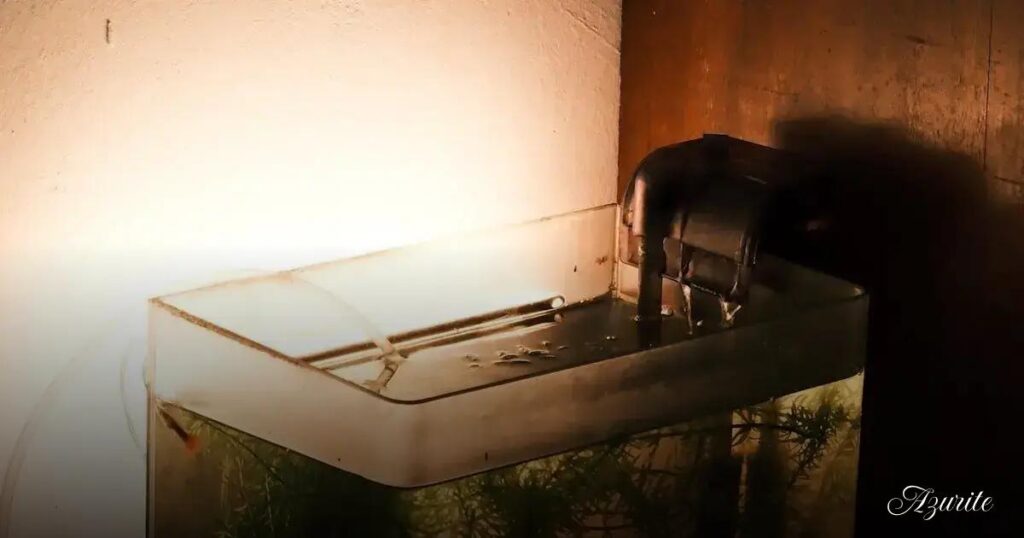
You can spot an ammonia spike by watching for distressed fish behavior like surface gasping, clamped fins, lethargy, and inflamed red gills, which should be immediately confirmed by testing the aquarium water with a reliable liquid kit to detect any toxic readings above zero parts per million.
How to spot an ammonia spike without panic? Look for gasping fish, clamped fins, and cloudy water—then follow a calm, simple checklist.

What an ammonia spike is and why it happens
An ammonia spike happens when toxic fish waste builds up very quickly in your tank water. In a healthy aquarium, good bacteria safely eat this waste. But when something breaks this natural balance, ammonia levels shoot up to dangerous numbers fast. This sudden and sharp rise is what we call a spike.
The Main Causes of a Spike
One of the most common reasons is overfeeding. Uneaten food sinks to the bottom, rots, and releases pure ammonia into the water. Another fast trigger is a dead fish or snail hidden behind rocks or plants. As the body breaks down, it creates a massive amount of toxic waste that your tank cannot handle.
How Filter Cleaning Causes Problems
Many new fish keepers make the mistake of washing their filter sponges in regular tap water. The chlorine in tap water kills the good bacteria that keep ammonia low. Without these tiny helpers, your tank completely loses its natural defense. Also, a newly set up tank can spike easily because the good bacteria colony is still too small to handle normal fish waste.
Early ammonia poisoning symptoms you can see in fish
Fish show clear physical signs when ammonia starts to burn them. One of the first things you will notice is a change in their breathing. If you see your fish gasping heavily at the water surface, it means they are struggling to get enough oxygen. High ammonia damages their gills, making it very hard for them to breathe normally.
Look for Red and Inflamed Gills
Check the sides of your fish very closely. Ammonia poisoning symptoms often include gills that look bright red, purple, or even bleeding. Because ammonia is highly toxic, it causes painful chemical burns on their delicate tissues. You might also notice your fish rubbing or scratching against rocks and plants to try and relieve the burning feeling.
Changes in Behavior and Swimming
Another big warning sign is how your fish act. Healthy fish swim around actively, but a sick fish will become very lazy. You might find them hiding in dark corners or just sitting at the bottom of the tank for a long time. Watch their fins carefully, too. If their fins are folded tightly against their bodies, which is called clamped fins, it shows they are under severe stress.
Finally, pay close attention during feeding time. Fish suffering from poor water quality will usually lose their appetite and ignore their food completely. Sometimes, they may swim in quick, crazy circles around the tank in a panic. Spotting these physical signs early gives you the best chance to save your pets before it is too late.
How to read test strips vs liquid kits correctly
Test strips are very fast, but liquid kits are more accurate for spotting an ammonia spike. To use a test strip, dip it in the tank water, wait for the exact time on the bottle, and match the color. If you wait too long, the color gets darker and gives a false reading.
Using Liquid Test Kits for Accuracy
Liquid kits take more steps but give much better results. First, fill a small glass tube with tank water right up to the exact line. Then, add the correct number of drops from the test bottles. Always shake the test bottles really well before adding the drops, or the chemical mix will not work right.
Reading the Colors the Right Way
After waiting about five minutes, the liquid in the tube changes color. A bright yellow color means your water is completely safe. If the water turns green, you are looking at a dangerous ammonia spike. To read the color perfectly, hold the glass tube flat against the white color card that comes with your kit. Look at it in a room with bright, natural light. Dark shadows or yellow room lights can make a safe yellow reading look slightly green, which might cause you to panic for no reason.
Safe ranges and when a reading becomes an emergency
In a healthy fish tank, the only safe amount of ammonia is exactly zero. Even a tiny trace means your biological filter is struggling to keep up with the waste. If your test shows a reading above zero, you need to pay close attention right away.
When to Watch and When to Act
A reading of 0.25 parts per million is a serious warning sign. At this level, your fish might not show clear ammonia poisoning symptoms just yet, but they are definitely feeling stressed. You should test the water daily and skip feeding for a day to see if the filter catches up.
Once the test hits 0.5 or higher, it officially becomes an emergency. At this stage, the water is highly toxic and will burn the gills of your fish. This is the exact moment you need to step in and start lowering ammonia levels fast to save your tank.
How Heat and pH Change the Danger
The danger of a spike also depends heavily on your water temperature and pH. Warm water and high pH levels make ammonia much more deadly to your pets. A small spike in a warm tank is far more dangerous than the same reading in a cool tank. Always keep these water conditions in mind when looking at your test colors.
Quick actions now: emergency water change step by step


When you see high ammonia, the best quick fix is an emergency water change. Taking out the bad water dilutes the poison right away and gives your fish instant relief.
Preparing Your New Water
First, get a clean bucket that you only use for your fish. Fill it with fresh tap water. You must match the temperature of the new water to your tank water perfectly. If the new water is too cold or too hot, the sudden change will shock your sick fish. Always remember to mix in a good water conditioner to remove harmful chlorine.
Siphoning the Dirty Tank
Next, use a clear gravel vacuum to pull out the old water. If the test reading is very high, you should remove about fifty percent of the tank water. While you drain the water, push the vacuum deep into the gravel. This sucks up the rotting fish waste and hidden food that caused the spike in the first place.
Adding the Safe Water Back
Finally, pour the clean, conditioned water into your fish tank very slowly. Doing an emergency water change is the safest method for lowering ammonia levels fast without using harsh chemicals. Watch your pets closely after you finish to see if their breathing and swimming improve.
Lowering ammonia levels fast without hurting fish
When you need to drop ammonia quickly, you might want to replace all the tank water at once. But doing a massive water change can easily shock your fish. Instead, doing smaller, safer changes is the best method for lowering ammonia levels fast. You should remove about thirty to fifty percent of the water. This dilutes the poison without changing the temperature or pH too quickly.
Stop Feeding Your Fish Immediately
The fastest way to stop more ammonia from building up is to stop feeding. Fish can easily go a few days without food. Every extra piece of food you put in the tank creates more waste. Fasting your fish gives your biological filter time to catch up and clean the water safely without adding new fuel to the fire.
Increase Oxygen in the Tank
High ammonia burns fish gills, making it very hard for them to breathe. You can help them right away by adding more oxygen to the water. Turn up your air pump or lower the water level slightly so your filter creates more surface splash. This extra air helps your fish survive comfortably while you fix the main water problem.
Using conditioners like Seachem Prime for ammonia detox
When you are dealing with a severe water crisis, doing a water change might not be enough on its own. This is where a high-quality water conditioner becomes your best tool. Products designed specifically to bind toxins act like a temporary shield for your pets. Using a liquid like seachem prime for ammonia helps neutralize the danger immediately so your fish can breathe easier.
How Ammonia Binders Actually Work
It is very important to understand that these liquid conditioners do not remove the waste from your tank. Instead, they change the toxic chemical into a safe, non-toxic form called ammonium. Your fish can swim safely in ammonium without burning their gills or showing other painful ammonia poisoning symptoms. This protective state usually lasts for about twenty-four to forty-eight hours.
Giving Your Filter Time to Catch Up
Because the detox effect is only temporary, this trick buys you crucial time to fix the main problem. During this safe window, your tank’s biological filter has a chance to catch up and process the waste naturally. You can safely dose these water conditioners directly into the main tank during an emergency. Always read the back of the bottle carefully, as many brands allow you to use up to five times the normal amount when you are trying to save your fish.
Finding the cause: overfeeding, dead livestock, or filter issues
To stop an ammonia spike from coming back, you must figure out what started it. The most common mistake is feeding your fish too much. When food hits the gravel and stays there, it starts to rot right away. This rotting food releases a huge amount of hidden waste into your water.
Hunting for Hidden Dead Livestock
Take a close look behind every rock, plant, and decoration. Sometimes, a small fish or snail dies and gets trapped where you cannot easily see it. As the body breaks down in the warm water, it creates a massive wave of toxic waste. If you notice any ammonia poisoning symptoms in your healthy fish, always count your tank pets to make sure no one is missing.
Checking Your Filter for Problems
Your biological filter is the main defense against bad water. If your filter motor stops running or the sponge gets completely blocked by dirt, the good bacteria cannot do their job. Also, think about your recent cleaning habits. Washing your filter sponge in plain tap water is a huge mistake. The chlorine kills off your helpful bacteria instantly, which ruins the natural balance and makes your tank unsafe.
Stabilizing the biofilter after a spike
After you survive a water emergency, your tank’s natural defense is likely very weak. The good bacteria that eat fish waste need time to grow back and get strong again. If you do not help them recover, you might face another dangerous spike very soon.
Adding Good Bacteria from a Bottle
One of the best ways to speed up recovery is to use a high-quality bottled bacteria product. Pouring these live helpers directly into your water jump-starts your biological engine. This gives your tank a massive boost of the exact bacteria it needs to process waste safely and keep your fish healthy.
Avoid Deep Cleaning for a While
While your biofilter is healing, leave your tank alone as much as possible. Do not scrub the glass, change the filter sponges, or vacuum the gravel deeply. Your helpful bacteria live tightly attached to these exact surfaces. If you clean your tank too thoroughly right now, you will wash away the new colony before it can settle down.
You should also keep feeding your fish very lightly for the next few weeks. Less food going into the water simply means less waste coming out. This easy step gives your recovering filter a much-needed break while it builds back its full strength to prevent future ammonia poisoning symptoms.
Monitoring plan for the next 7 days

After you get the water safe again, the danger is not completely over. For the next seven days, you need a strict plan to make sure the toxic levels do not return. Grab your liquid test kit and check the water every single morning. Doing this early helps you spot a new ammonia spike before it becomes deadly again.
Watch Your Fish Closely
Your pets will tell you a lot about the water quality. Spend five minutes each day just watching how they swim and act. Look closely at their gills to make sure they are not bright red or puffing hard. If you see any classic ammonia poisoning symptoms returning, like gasping at the surface or hiding in corners, you must act fast by doing another small water change right away.
Feeding and Filter Checks
On day two or three, you can start feeding your fish again, but be very careful. Give them only half of what they normally eat. Watch carefully to make sure every single piece of food is eaten in two minutes. Any leftover food will rot and ruin your hard work. Finally, gently check that your filter is running smoothly and pushing plenty of water, but remember not to wash the sponges during this fragile week.
Keep Your Fish Safe from Ammonia
Ammonia spikes happen fast and can be deadly to your fish. Spotting the signs early, like gasping or red gills, is the best way to save your tank.
If your water test shows danger, you must act right away. Doing a quick water change, stopping fish food, and using a good water conditioner will keep your pets alive.
After the emergency passes, take time to find the real cause. Keeping your tank clean, feeding less, and watching your water closely will stop spikes from coming back.
With the right tools and a careful eye, you can protect your aquarium and enjoy healthy fish.
FAQ – Frequently Asked Questions about Ammonia Spikes
What is the fastest way to lower ammonia in a fish tank?
The fastest and safest way is to perform an emergency partial water change of 30% to 50% and use a water conditioner that detoxifies ammonia.
Can overfeeding cause an ammonia spike?
Yes, overfeeding is a leading cause of ammonia spikes. Uneaten food falls into the gravel and rots, releasing high amounts of toxic ammonia into the water.
How long does it take for an ammonia spike to hurt fish?
It depends on the ammonia levels, pH, and water temperature, but high ammonia can start causing severe damage to a fish’s gills within hours and can be fatal in just a few days if ignored.
Are test strips accurate for checking ammonia levels?
Test strips are very fast and convenient, but liquid test kits are highly recommended because they provide much more accurate and reliable readings during a water emergency.
Why shouldn’t I wash my filter sponge in tap water?
Tap water contains chlorine, which instantly kills the beneficial bacteria living in your filter sponge. Without these good bacteria, your tank cannot naturally process fish waste, leading to a dangerous spike.
Does Seachem Prime remove ammonia from the water?
No, liquid conditioners like Seachem Prime do not physically remove ammonia. They temporarily bind it into a non-toxic form called ammonium for up to 48 hours, keeping fish safe while your biofilter catches up.