Fish gasping at the water surface is a critical distress signal indicating severe oxygen depletion, carbon dioxide toxicity, or ammonia-burned gills, requiring immediate intervention through heavy surface agitation and emergency water changes to restore safe breathing conditions and prevent rapid fatalities in the aquarium.
Fish Gasping at the surface can be alarming—are your fish out of oxygen, reacting to CO2, or suffering irritated gills? Let’s break the signs so you act calmly.
What fish gasping tells you in the first minutes
When you see fish gasping at the surface, the first few minutes are critical. Their actions give you quick clues about the water quality. Fish gasp because they cannot get enough oxygen through their gills, forcing them to the top.
Observing the Whole Tank
Look at which fish are acting strange. Are all the fish gasping, or just one or two? If every fish is at the top, you probably have a big problem like low oxygen in aquarium water or a severe CO2 overdose. If only one fish is struggling, it might just be sick or stressed.
Checking Gill Movement and Color
Watch how fast their gills move. Fast, heavy breathing means the fish are in deep trouble. Next, look closely at the gill color. Dark red or swollen gills often point to ammonia burn gills. This chemical burn hurts their ability to breathe normally. On the other hand, pale gills might mean they have a parasite or infection.
Finally, see if they are actually gulping air or just resting near the top. Fish that hang right at the water line are looking for the richest oxygen layer. This instantly tells you that the bottom of your fish tank has almost no breathable air left for them.
Quick checks: temperature, filter flow, surface agitation
Start by looking at the water temperature. Warm water simply holds less oxygen than cooler water. If your tank heater is stuck and the water is too hot, your fish will quickly run out of air. Check your thermometer to make sure the heat level is safe for your fish species.
Checking the Filter Flow
Next, examine your filter output. Is the water barely moving? A dirty or clogged filter greatly slows down water flow. Without a strong flow, fresh oxygen cannot mix deep into the tank. If the output is weak, rinse your filter sponges in old tank water to clear the blockage.
The Power of Surface Agitation
Finally, look closely at the top of the water. Good surface agitation is vital because oxygen enters the tank at the water line. Ripples, waves, and bubbles break the water tension. If the surface is completely flat, still, or covered in a greasy film, harmful gases get trapped. At the same time, fresh oxygen is blocked from entering. You must keep the water surface moving constantly to help your fish breathe safely.
Oxygen vs CO2: how to tell the difference
Telling the difference between low oxygen and too much carbon dioxide can save your fish. While both problems cause fish to gasp at the surface, there are clear clues to look for.
Spotting Low Oxygen Levels
When dealing with low oxygen in aquarium water, the problem usually happens slowly. You will often notice fish gasping early in the morning. This happens because live plants actually consume oxygen during the dark hours. Your fish will hang right at the water line, trying to catch the thin layer of fresh air. They might also look pale and move sluggishly.
Identifying a CO2 Overdose
On the other hand, a carbon dioxide problem strikes fast. If you inject CO2 for your live plants, you must pay close attention. Common co2 overdose symptoms include fish swimming in wild, dizzy circles or losing their balance. They might even lie on their sides at the bottom before suddenly rushing to the top. Always check your glass drop checker. If the liquid inside has turned bright yellow, there is clearly too much CO2 in the tank.
Testing water: dissolved oxygen, ammonia, nitrite, pH
When fish gasp, guessing the problem is dangerous. You need to test the water right away to find the exact cause.
Testing for Ammonia and Nitrite
High ammonia directly hurts the fish. This causes ammonia burn gills, making it very hard for them to breathe. Nitrite is also highly dangerous. It enters the fish’s blood and stops it from carrying oxygen. Use a reliable liquid test kit to check both levels. The results must always be zero.
Checking the pH Levels
Your tank pH tells an important story. A sudden drop in pH often happens if there is too much carbon dioxide. The pH level also changes how toxic ammonia is to your fish. Test the water to see if a sudden pH swing shocked your tank.
Measuring Dissolved Oxygen
Standard kits rarely test for low oxygen in aquarium water. However, you can buy a specific dissolved oxygen test kit. If the score is under 5 parts per million, your fish are in danger. If you do not have this test, check the other levels first. Then, add an air pump and watch closely to see if their breathing improves.
Emergency actions that buy time for your fish
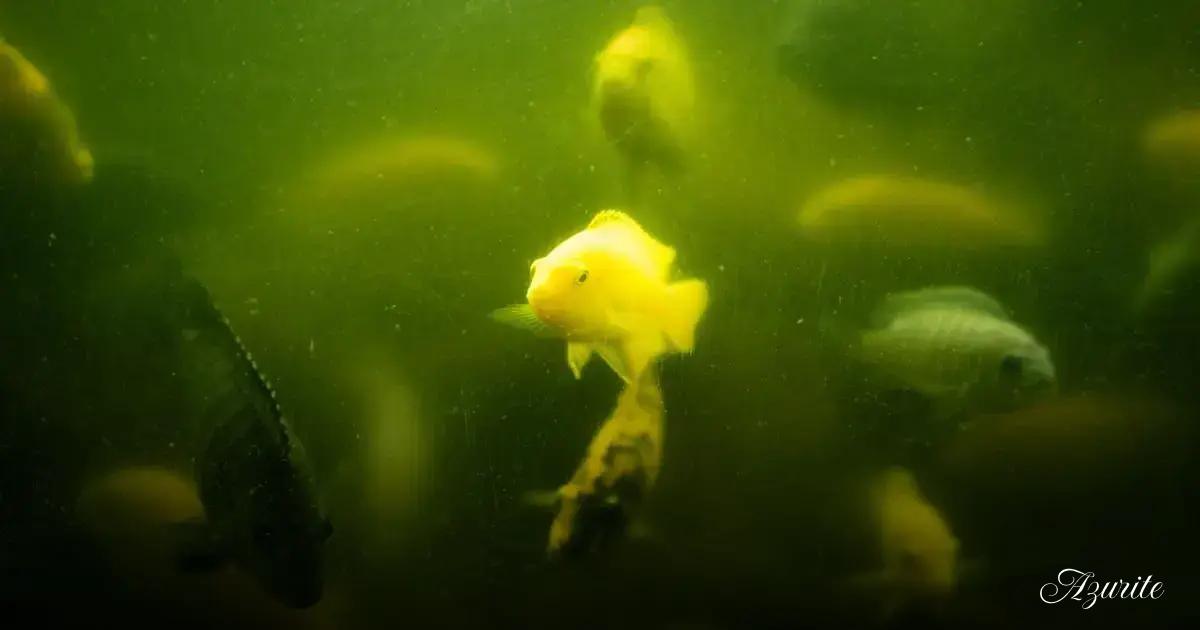

When you see your fish gasping, you must act fast to save them. Doing a few simple things right away will give them a better chance to survive while you figure out the main problem.
Increase Water Movement Fast
Your first step is to create heavy surface agitation. You can do this by lowering the water level slightly. This simple trick lets your filter splash the water much harder. If you have a spray bar, point it up toward the surface. The splashing action breaks the water tension and pulls fresh air into the tank instantly.
Do a Quick Water Change
A partial water change is one of the best emergency moves. Take out about 30 to 50 percent of the tank water. Replace it with clean, treated tap water that matches the tank temperature. This action dilutes harmful chemicals and quickly fixes low oxygen in aquarium environments. Pour the new water in from a slight height to create even more bubbles.
Turn Off the Carbon Dioxide
If you run a planted tank, turn off your CO2 system right away. Adding a simple air stone connected to a strong air pump will help blow the trapped carbon dioxide out of the water. This rapid aeration buys your fish the extra time they need to recover.
When CO2 injection causes trouble and how to dial it back
Adding carbon dioxide helps grow beautiful aquatic plants, but pushing the levels too high can quickly become dangerous. When the water holds too much gas, your fish cannot clear the carbon dioxide from their own blood. This instantly triggers co2 overdose symptoms, causing them to gasp at the top, swim in dizzy patterns, or lay on the bottom.
Checking Your Equipment
If you see your fish struggling, the very first step is to look at your bubble counter and regulator. Sometimes, a faulty needle valve can dump a huge amount of gas into the tank all at once. Do not just lower the bubble count. Turn the main gas valve completely off until your fish return to normal breathing.
Clearing the Trapped Gas
Once the gas is shut off, you must quickly clear the water. The best way to do this is by creating heavy surface agitation. Turn on a strong air pump with a large air stone, or raise your filter outflow to splash the top of the water. This splashing action forces the trapped carbon dioxide out of the water and pulls fresh, clean air back in.
Resetting the System Safely
After the emergency passes, you must dial your system back carefully. Start by setting your bubble count to exactly half of what it was before. Watch your glass drop checker closely. The liquid inside should stay a crisp, clear green, never yellow. Slowly increase the bubbles over a few weeks, always watching your fish for any new signs of heavy breathing.
Fixing low oxygen in aquariums without overcomplicating
When you discover low oxygen in aquarium water, you do not need to buy expensive, complicated equipment to save your fish. Most of the time, the simplest solutions work best and fastest to get your tank breathing normally again.
Lower the Water Level
One of the easiest tricks is simply dropping the water line by an inch or two. If you have a hang-on-back filter, this creates a waterfall effect. The water crashes down harder, creating massive surface agitation. This splashing action instantly breaks the surface tension, pushing trapped gases out and pulling fresh oxygen into the tank.
Add a Basic Air Pump
If lowering the water is not enough, a simple air pump with an air stone is your best friend. Many people think the bubbles themselves put oxygen into the water, but that is not exactly true. The bubbles rise and pop at the top, constantly moving the water surface. This steady movement allows the tank to naturally trade old air for fresh air.
Clean Up Waste and Debris
Another simple fix is cleaning your tank. Uneaten food, decaying plant leaves, and fish waste sit at the bottom and rot. This rotting process actually consumes a huge amount of the oxygen in the water. By using a gravel vacuum to suck up this dirt and doing a partial water change, you instantly free up more oxygen for your fish to breathe.
Gill damage from ammonia burn: signs and recovery
When ammonia levels spike in your tank, it burns the delicate tissues of your fish. This causes ammonia burn gills, making it incredibly hard for them to breathe. Even if the water has plenty of oxygen, damaged gills cannot absorb it properly, forcing fish to gasp at the surface.
Spotting the Warning Signs
You can identify ammonia damage by looking closely at the fish. Healthy gills are a nice, soft pink. If they look dark red, swollen, or bleeding, the fish are suffering from chemical burns. You might also see red streaks on their fins or notice them rubbing against rocks and gravel to stop the pain.
Steps for a Safe Recovery
The first step to help your fish recover is testing the water and doing a partial water change. You must bring the ammonia level down to absolute zero. Next, increase the surface agitation to pack the water with as much oxygen as possible. This extra air makes breathing easier while their damaged gills heal. You can also add a water conditioner that makes ammonia safe to protect them right away. With pristine water and time, the gill tissue can slowly repair itself.
Preventive setup: aeration, stocking, and maintenance
Keeping your fish safe from gasping is much easier than fixing a sudden emergency. A smart tank setup keeps the water clean and full of fresh air day and night.
Setting Up Strong Aeration
Constant surface agitation is the absolute best way to stop low oxygen in aquarium water before it even starts. Make sure your filter outflow ripples the top of the water nicely. Adding an air stone at the opposite side of the tank ensures fresh air reaches every single corner. If you use gas for live plants, this steady water movement also prevents co2 overdose symptoms by letting extra gas escape safely into the room.
Stocking the Right Number of Fish
Putting too many fish in one tank quickly leads to trouble. More fish means they produce more waste and have less oxygen to share. Heavy waste builds up fast and causes ammonia burn gills, which deeply hurts their ability to breathe. Always research how much space your specific fish need. Give them plenty of swimming room so they never have to fight for clean air.
Sticking to a Maintenance Schedule
Clean water naturally holds much more oxygen than dirty water. Keep a strict schedule for partial water changes, usually around 20 to 30 percent every week. Use a gravel vacuum to suck up rotting food and old fish waste from the bottom. Also, gently rinse your filter sponges in old tank water so they never clog. A clean filter pushes water faster, keeping the whole system fresh, safe, and highly oxygenated.
When to seek help: persistent gasping and fish losses
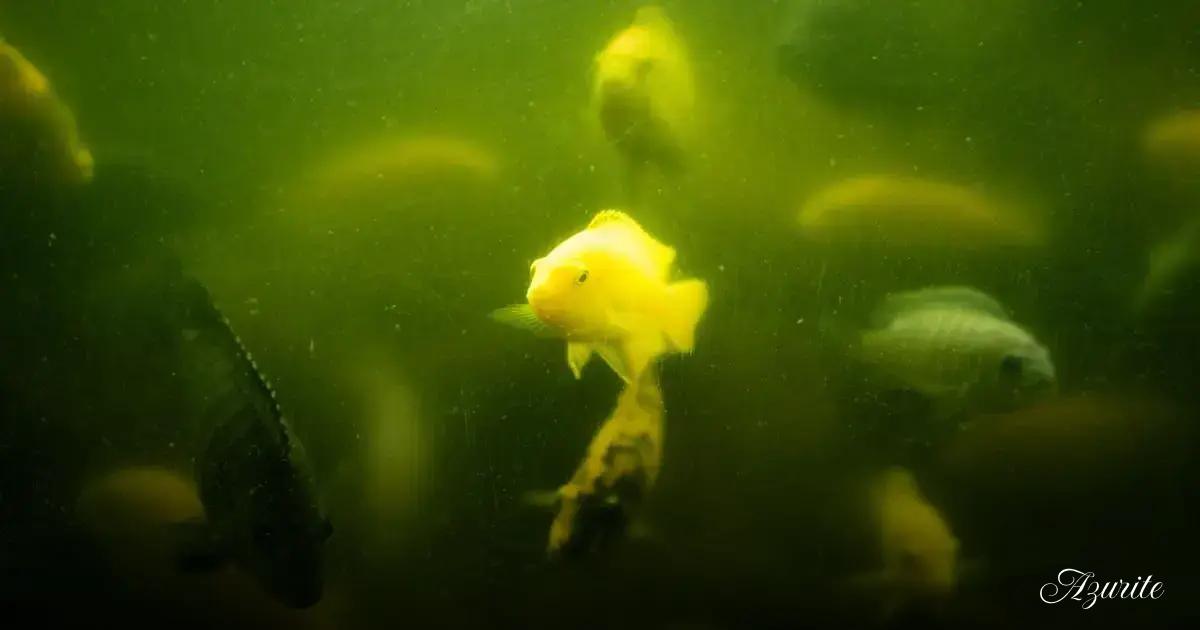
Sometimes, you do everything right, but your fish are still struggling. If you have added an air stone, checked your filter, and done water changes, but the gasping continues, you have a deeper problem. Persistent heavy breathing means the issue is no longer just a simple case of low oxygen in aquarium water.
Unseen Diseases and Parasites
If your water tests perfectly clean, tiny parasites might be attacking your fish. Gill flukes and bacterial infections destroy delicate gill tissue. This damage causes symptoms that look exactly like severe ammonia burn gills. Because their gills are ruined, no amount of heavy surface agitation will help them breathe. You will need special medication to stop the disease.
Reacting to Frequent Fish Deaths
Losing one fish is sad, but losing several fish in just a few days is a massive emergency. If your tank is crashing and you cannot find the cause, do not just guess and pour random chemicals into the water. This often makes things much worse, similar to how ignoring early co2 overdose symptoms can wipe out a beautifully planted tank very quickly.
Asking for Expert Advice
When you feel lost and your fish keep dying, it is time to ask for professional help. Take a fresh water sample to a trusted local fish store. They can run advanced tests that you might not have at home. You can also talk to an aquatic veterinarian to get exactly the right medicine and expert advice to save your remaining pets.
Final Thoughts on Fish Gasping
Fish gasping at the surface is a scary sight, but knowing the signs helps you act fast. Whether it is low oxygen, a sudden CO2 overdose, or painful ammonia burns, finding the root cause is the key to saving your fish.
Remember to always check your water temperature, test your water levels, and increase surface agitation right away. A simple water change and adding an air stone can work wonders in an emergency to help your fish breathe.
Maintaining a clean tank and not overcrowding your aquarium will prevent most breathing problems before they start. If things do not improve after your quick actions, never hesitate to ask a professional for help to keep your underwater pets healthy and safe.
FAQ – Frequently Asked Questions About Fish Gasping at the Surface
Why are all my fish suddenly gasping at the top of the tank?
Fish gasp at the surface when they cannot get enough oxygen. This is often caused by low oxygen levels in the water, high temperatures, a broken filter, or a severe carbon dioxide overdose.
How can I quickly fix low oxygen in my aquarium?
The fastest way to fix low oxygen is to increase surface agitation. You can do this by lowering the water level slightly so your filter splashes harder, or by adding an air pump and air stone.
What is the difference between low oxygen and CO2 poisoning?
Low oxygen usually happens slowly, often overnight, making fish pale and sluggish at the surface. CO2 poisoning strikes fast, causing fish to swim in dizzy circles, lose balance, or lay on the bottom before gasping.
Can high ammonia make my fish gasp for air?
Yes. High ammonia levels can chemically burn your fish’s gills. When their gills are damaged and swollen, they cannot absorb oxygen properly, even if the water has plenty of air.
Will doing a water change help fish that are struggling to breathe?
Absolutely. A 30 to 50 percent water change dilutes harmful chemicals like ammonia and immediately introduces fresh, oxygen-rich water into the aquarium to help your fish recover.
Why are my fish still gasping after I added an air pump and cleaned the tank?
If water parameters are perfect and you have strong surface agitation, your fish might be suffering from gill flukes, parasites, or a bacterial infection that requires specific medication from a professional.