A blacken fish tail usually indicates a severe bacterial fin rot infection that requires immediate isolation in a hospital tank, where mild fraying can be safely treated with pure aquarium salt, while rapidly melting fins demand targeted antibiotics and strict water quality improvements to fully restore healthy tissue.
blacken fish shouldn’t describe your betta’s fins. If the edges look ragged or dark, you might face fin rot. Curious when salt works—and when antibiotics make more sense?

What fin rot looks like vs normal fin wear
Telling the difference between an illness and a simple injury is the first step to helping your fish. Fin damage does not always mean your fish is sick.
Signs of Real Fin Rot
Fin rot is an active infection that eats away at the fin tissue. It usually starts at the very edge of the fins. Look closely at those edges. Are they milky white, red, or blackened? If the edges look dark and ragged, bacteria or fungus might be at work. As the disease gets worse, the fins get shorter and look like they are melting away.
Signs of Normal Fin Wear
Sometimes, fins just get snagged. Sharp plastic plants or rough rocks can tear delicate fins. This is called mechanical damage. A physical tear usually looks like a clean split. You will not see any fuzzy spots, white edges, or red streaks. The edge of the tear will look exactly like the rest of the healthy fin.
Another common issue is fin biting. Fish with long fins, like bettas, might bite their own tails when they feel stressed. This leaves U-shaped chunks missing from the fins. Just like a snag, the edges around the bite will look clean and normal. If you see clean cuts, check your tank decorations for sharp edges and try to lower the stress in your tank.
Bacterial vs fungal fin rot: how to tell
Figuring out if the rot is bacterial or fungal changes how you treat it. Both types damage the fins, but they show very different signs. Knowing what to look for helps you choose the right medicine fast.
Spotting Bacterial Fin Rot
Bacterial infections are the most common cause of fin rot. This type usually leaves the fins looking ragged, torn, and uneven. You might notice red streaks or small bloody patches on the fin tissue. The edges of the fins often turn milky white or severely dark, sometimes giving a blacken fish appearance on the tail. The fins look like they are literally melting away day by day.
Spotting Fungal Fin Rot
Fungal rot looks completely different. It usually happens after a fish is already hurt or stressed by bad water. Instead of melting or turning black, the fins get fuzzy. You will see white, cotton-like growths clinging to the damaged areas. It looks exactly like a small piece of white cotton candy is stuck to the fish. Fungal infections tend to look fluffy rather than jagged and bloody.
If the fins look bloody, ragged, or dark, it is likely bacterial. If they look fuzzy and white, it is fungal. Sometimes, a fish can suffer from both at the same time if the water quality is very poor. Checking the tank conditions right away is the best step to stop either type from spreading.
When aquarium salt helps—and when it doesn’t
Aquarium salt is a classic home remedy for sick fish. It works wonders for mild issues, but it is not a magic cure. Knowing when to use it saves time and keeps your tank safe.
When Aquarium Salt is the Best Choice
Use aquarium salt for fin rot when the damage is mild and caught early. If the fins just started looking frayed, salt does a great job. It adds electrolytes, helping fish breathe easier and heal faster. It also boosts their natural slime coat, which easily fights off mild bacteria and minor fungal issues.
When Salt Does Not Work
Salt will not help if the infection is very bad. If you see deep red streaks, fast-melting fins, or a severe blacken fish appearance on the edges, salt is simply too weak. This means the disease has reached the flesh. Relying only on salt during a severe attack gives the bacteria more time to destroy the fins.
Do not use salt if you keep scaleless fish, like loaches or corydoras catfish. These fish have very sensitive skin and get badly hurt by salt. Live aquarium plants will also turn brown and melt if exposed to high salt levels. In these situations, you must skip the salt and look for safe liquid medications instead.
Choosing safe salt types and doses
Picking the wrong salt can harm your fish more than the sickness itself. Table salt often has iodine and chemicals that keep it from clumping. These extra ingredients are toxic to your tank. You must only use pure sodium chloride without any additives to keep your fish safe.
The Right Kind of Salt
The best choice is pure aquarium salt from a pet store. You can also use plain rock salt or kosher salt, but check the label to ensure it has no extra ingredients. Never use Epsom salt if you see ragged edges or a blacken fish tail. Epsom salt helps with bloating, not bacterial infections. Using proper aquarium salt for fin rot gives your fish the exact minerals they need to heal their delicate fins.
How Much Salt to Use
Getting the dose right is very important. For mild cases, start with a low dose. Mix one tablespoon of salt for every three gallons of aquarium water. Always dissolve the salt in a small cup of tank water first. Then, pour it back into the tank very slowly so you do not shock your sick fish.
If the fins do not get better after a few days, you can raise the dose to one tablespoon for every two gallons. Watch your fish closely during this time. If they breathe heavily at the surface or swim wildly, do a partial water change right away to lower the salt level. Keep in mind that salt does not evaporate, so only add more when you replace water during a water change.
Antibiotics for fin rot: options, risks, and timing
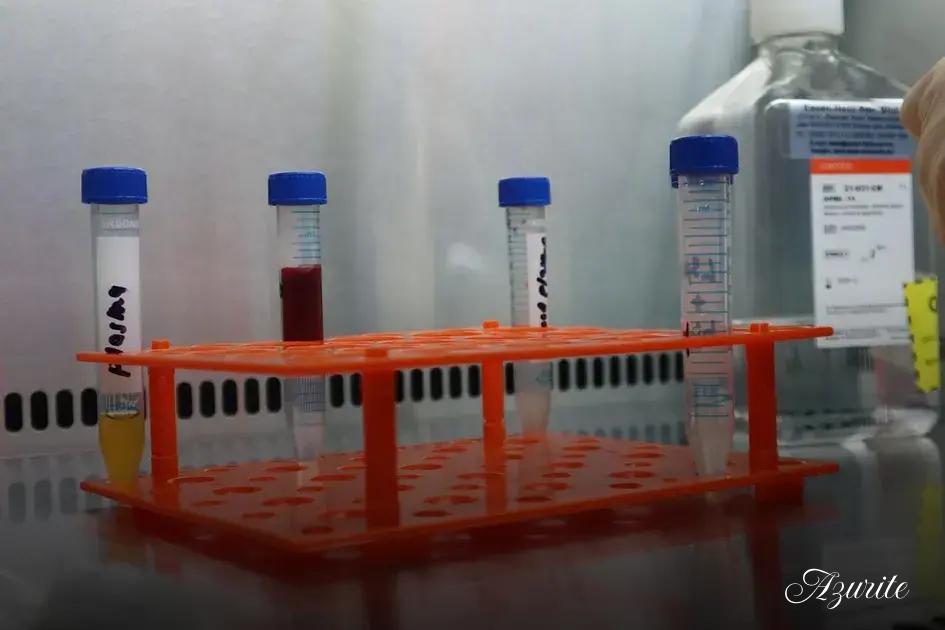

Sometimes, salt and clean water are not enough. If the fins melt fast or the rot reaches the main body, you need strong medicine. Waiting too long can allow the infection to enter the bloodstream. You must know when to switch from mild salt baths to real antibiotics to save your fish safely.
Choosing the Right Medicine
Not all fish medicines work the same way. You need the correct fin rot cure antibiotics to stop the rapid damage. Gram-negative bacteria cause most of these infections in aquariums. Medicines containing Kanamycin or Erythromycin are very effective choices. Always read the package carefully to ensure the product specifically targets bacterial infections, rather than just fungal issues or parasites.
Understanding the Risks
Using strong medicine comes with big risks for your aquarium. Antibiotics wipe out the bad bacteria, but they also destroy the helpful bacteria living inside your filter. This event can easily crash your tank’s natural nitrogen cycle. When the cycle breaks down, toxic ammonia spikes very fast. Poor water will heavily stress your sick pet, making a blacken fish tail look even worse and slowing down the healing process.
To keep your main tank safe, you should always treat sick fish in a separate bare-bottom hospital tank. This protects your healthy fish, live plants, and beneficial bacteria. If you must treat the main tank, test your water every single day. Be ready to change the water quickly if ammonia or nitrite levels start to climb.
Hospital tank setup and daily routine
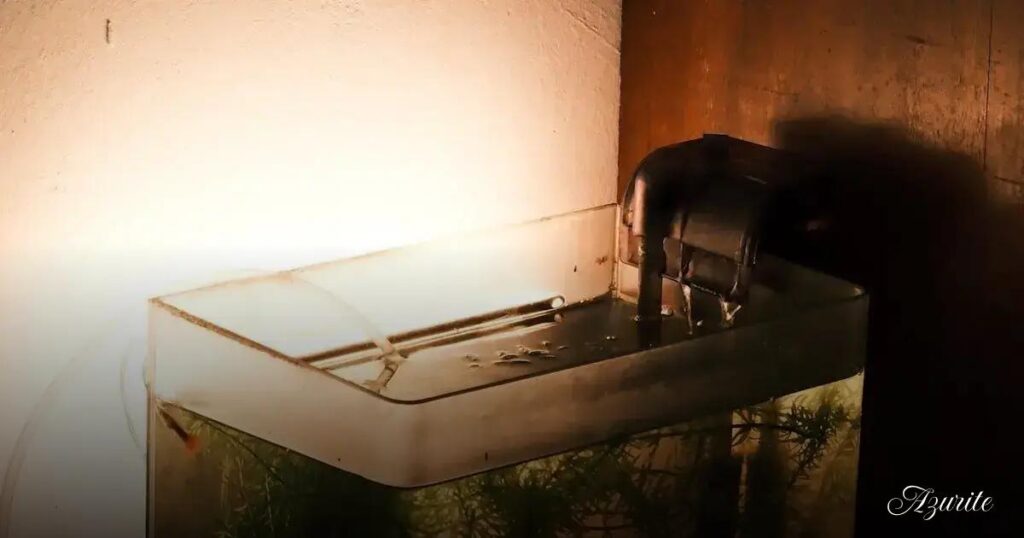
Setting up a hospital tank is the safest way to treat a sick fish without harming your main aquarium. You do not need a fancy setup. A plain five-gallon glass tank or a clean plastic tub works perfectly. Keep the bottom bare without any gravel or sand. This makes it very easy to vacuum waste and keep the water spotless while you heal that blacken fish tail.
Essential Equipment
You only need a few basic items for your medical tank. Add a small heater to keep the water temperature steady and warm. A simple sponge filter provides a gentle water flow without blowing your weak fish around. Make sure to add a smooth ceramic cup or a soft silk plant inside. Your sick pet needs a dark, quiet place to hide and feel safe from stress.
Your Daily Care Routine
When using fin rot cure antibiotics or salt, you must follow a strict daily routine. Check the water temperature first thing every morning. Test the water for ammonia and nitrites, because small bare tanks can get dirty quickly. Perform a small water change every single day to remove waste and extra medicine. Always mix the new water with the exact same dose of medicine before pouring it back in.
Watch your fish closely while they eat. Remove any leftover food with a small net after five minutes so it does not rot and ruin the water. Take a quick picture of the fins every day. This simple trick helps you easily see if the edges are growing back clear or if the rot is getting worse.
Improving water quality to stop recurrence
Clean water is the ultimate defense against fish diseases. Even the best medicines will fail if the aquarium water remains dirty. Once your fish heals, keeping the tank spotless is the only way to stop the rot from coming back. Ammonia and nitrites must always stay at zero, while nitrates should be kept very low.
Routine Tank Maintenance
A solid cleaning schedule is your best tool for improving water quality. You must change about twenty percent of the tank water every single week. Use a gravel vacuum to suck up trapped fish waste and old food hiding in the rocks. If you leave this waste behind, it rots. This creates harmful bacteria that will quickly attack a delicate or previously blacken fish tail.
Proper Filtration and Testing
Your filter is the heart of the aquarium. You should rinse the filter sponges in a bucket of old tank water once a month. Never clean them with plain tap water. Chlorine from the sink instantly kills the helpful bacteria your tank needs to stay safe. Always keep a liquid water test kit nearby. Checking your water parameters weekly ensures you catch hidden ammonia spikes before they cause another painful infection.
Feeding and stress reduction during recovery
A sick fish needs a lot of energy to rebuild torn tissue. Providing the right diet and a calm space speeds up the healing process and keeps their immune system strong.
Powering Healing with Good Food
Sick fish require extra protein to grow their fins back. Instead of basic flakes, offer high-quality pellets, frozen bloodworms, or brine shrimp. These rich foods give them the exact nutrients they need to recover. You can even soak their daily meals in liquid fish vitamins for an extra health boost. Always remember not to overfeed. Give them tiny meals twice a day and remove anything they do not eat within three minutes. Leftover food quickly rots and ruins the water.
Creating a Calm Environment
Stress completely stops a fish from healing. Bright lights and sudden noises make them feel scared and exposed. Keep the aquarium lights off while your fish is recovering in the hospital tank. A dark, quiet room helps them rest peacefully. Make sure to provide smooth hiding spots, like soft silk plants or a ceramic mug, where they can feel safe.
Never tap on the glass or make loud sounds near the tank. If you are using aquarium salt for fin rot, check your filter speed. Keep the water flow very gentle. A strong filter current pushes a weak fish around, forcing them to waste energy just swimming. A peaceful, dim tank helps them rest and stops a ragged, blacken fish tail from getting more damaged.
Common treatment mistakes to avoid
Treating sick fish can be stressful, leading to quick decisions that often make things worse. Many aquarium owners accidentally harm their pets by using the wrong methods or rushing the healing process.
Mixing Too Many Medicines
One of the biggest errors is pouring multiple treatments into the tank at once. Combining fin rot cure antibiotics with strong parasite liquids can turn the water toxic. This chemical overload stresses the fish and quickly ruins your water quality. Always stick to one treatment at a time and finish the full cycle before trying something else.
Stopping Treatment Too Early
It is very tempting to stop giving medicine the moment you see clear fin growth. However, bacteria are stubborn. If you quit the medicine or stop adding aquarium salt for fin rot too soon, the infection will rush back stronger than before. A returning infection often creates a severe blacken fish tail that is much harder to cure.
Ignoring the Main Tank
Moving your sick pet to a hospital tank is smart, but forgetting about your main aquarium is a huge mistake. If poor water conditions caused the sickness in the first place, placing the healed fish back into that same dirty water will just restart the cycle. Always focus on improving water quality in your main display tank while your fish heals safely in quarantine.
How to monitor progress and know when to stop

Watching your fish heal requires a lot of patience. You need to look at their fins every single day to see if the medicine is actually working. Taking quick pictures with your phone is the easiest way to track these small changes over time.
Signs of True Healing
You will know the treatment is a success when the rotting completely stops spreading. The ragged, bloody, or blacken fish edges will slowly fade away. After a few days, you will notice a clear, thin membrane growing at the very tips of the damaged fins. This transparent web is brand new, healthy fin tissue. Once you see this clear growth, it means the infection is gone and the body is rebuilding.
When to Stop the Medicine
You can stop using fin rot cure antibiotics or adding aquarium salt for fin rot as soon as the clear new growth appears. However, do not move your fish back to the main aquarium right away. Give them three to four more days in the clean hospital tank to regain their strength. Use this extra time to focus strictly on improving water quality in your main tank. A spotless main tank guarantees your fish will not get sick again when they finally go home.
Getting Your Fish Back to Health
Treating fin rot does not have to be scary if you catch it early. Mild cases usually clear up fast with plain aquarium salt and a clean hospital tank.
If the damage is fast or severe, stepping up to the right antibiotics will stop the infection from spreading. Remember that strong medicines need careful handling so you do not crash your main aquarium.
The most important step of all is keeping your water spotless. Good water quality stops diseases from ever coming back, giving your fish a safe and happy home to heal.
Keep a close eye on your tank, test your water often, and your pet will be swimming proudly with beautiful, healthy fins in no time.
FAQ – Frequently Asked Questions About Fin Rot Treatment
How long does it take for fin rot to heal?
Mild cases treated with aquarium salt can start showing clear new growth in a few days. Severe cases needing antibiotics might take a couple of weeks to fully heal.
Can I treat fin rot in my main aquarium?
It is always safer to treat a sick fish in a separate bare-bottom hospital tank. This protects your healthy fish, live plants, and beneficial filter bacteria from strong medicines.
Will the blackened edges on my fish’s fins go away?
Yes, once the bacterial infection is stopped, the dark, rotting edges will shed or fade, and a clear, transparent web of healthy new fin tissue will start to grow back.
Can poor water quality cause fin rot?
Absolutely. Dirty water with high ammonia or nitrites is the most common cause of fin rot. Improving water quality is essential to cure the fish and prevent the disease from returning.
Should I use salt or antibiotics for a mild fin tear?
For a simple mechanical tear or mild fraying, clean water and a small dose of aquarium salt are usually enough. Save antibiotics for severe, fast-melting, or bloody infections.
Can fin rot spread to other fish in the tank?
Yes, bacterial and fungal fin rot can spread if the other fish are also stressed or if the water quality is poor. Moving the sick fish to a hospital tank prevents it from spreading.