

Proper betta fish care requires a minimum 5-gallon tank equipped with a gentle sponge filter and a reliable heater set between 78 and 80 degrees Fahrenheit, alongside a high-protein diet, weekly partial water changes, and safe live or silk plants to ensure your fish remains healthy, active, and stress-free.
betta fish care begins with a tank that keeps water warm, gentle, and clean. Not sure what size, filter, or plants to pick? Let’s walk through simple choices that make your betta feel safe and active.
Tank size and shape that suit a single betta
Many people think bettas can live in small bowls, but this is a common myth. To keep your fish healthy and active, a minimum of a 5-gallon tank is highly recommended. This size gives them plenty of room to swim freely and makes it much easier for you to keep the water clean and safe.
Why Shape Matters More Than You Think
Bettas are labyrinth fish, which means they need to breathe air from the surface of the water. Because of this unique trait, they prefer long, shallow tanks over tall, deep ones. A longer tank gives them more horizontal swimming space and makes it very easy for them to reach the top for a quick breath without getting tired.
You should always avoid keeping them in decorative vases or tiny jars. These small spaces trap waste very quickly and do not provide enough room for essential equipment like filters or heaters. Providing a spacious, properly shaped home is the most important step in keeping your betta vibrant and stress-free.
Heater and thermometer: keeping stable warm water
Bettas are tropical fish, which means they thrive in warm water. If the water in your tank gets too cold, your fish will become sluggish, lose its bright colors, and can easily get sick. To keep your betta active and healthy, you need to maintain a steady water temperature between 78 and 80 degrees Fahrenheit (25 to 27 degrees Celsius).
Choosing the Right Heater
A reliable aquarium heater is a must-have piece of equipment. It is usually best to pick an adjustable heater rather than one with a preset temperature. An adjustable model lets you safely change the heat level if the room gets unusually hot or cold. You also need to match the heater to your tank size. For a standard 5-gallon tank, a 25-watt or 50-watt heater works perfectly to keep the water warm without overheating it.
The Importance of a Thermometer
Even top-quality heaters can sometimes break or read the temperature wrong. That is why you should never just trust the numbers on the heater’s dial. Always place a separate thermometer inside the tank to check the real temperature. A simple glass thermometer with a suction cup or a small digital thermometer works great. Make it a habit to glance at the thermometer every day when you feed your fish. Keeping the water temperature completely stable is one of the easiest ways to prevent stress and sickness.
Gentle filtration that protects fins and bubble nests
Bettas have beautiful, long fins, but these fins make swimming in fast water very hard. In the wild, they live in slow-moving streams and shallow ponds. If you put a strong filter in their tank, the fast current will push your fish around. This causes a lot of stress and can easily tear their delicate fins.
Why Sponge Filters are Perfect
A sponge filter is usually the best choice for a betta tank. It uses a small air pump to slowly pull water through a soft piece of foam. This traps dirt and cleans the water without creating a harsh current. Your fish can swim right next to the filter without getting sucked in or hurt.
Keeping Bubble Nests Safe
Happy male bettas love to build bubble nests at the top of the water. If the water surface moves too fast, these fragile nests will pop and break apart. A gentle filter keeps the top of the water very calm. This allows your fish to build his nest and feel proud of his home. If you already have a normal filter that is too strong, you can tie a small piece of sponge over the output tube to slow the water down.
Water parameters: pH, hardness, and ammonia control
Clean water is the secret to a happy betta fish. You cannot see bad chemicals in the water just by looking at it. That is why you must test the water often. The most important things to check are pH, water hardness, and ammonia. If these levels get out of balance, your fish can become very sick.
Understanding pH and Hardness
Bettas are quite tough, but they prefer their water to be slightly acidic to neutral. The best pH level for them is between 6.5 and 7.5. They also do well in soft water. If your tap water is very hard or has a high pH, you can use natural items like Indian almond leaves. These leaves release helpful tannins that naturally soften the water and lower the pH. They also turn the water a light brown color, which bettas actually love and find very soothing.
Keeping Ammonia at Zero
Ammonia is a toxic waste that comes from fish poop and leftover food. Even a tiny amount of ammonia can burn your fish’s gills and make it hard for them to breathe. Your goal is always to keep ammonia levels at zero. To do this, you need good bacteria in your filter to break down the daily waste. You should also remove uneaten food right away and use a safe water conditioner every time you add fresh tap water. Testing your tank with a liquid test kit helps you fix water spikes before they ever hurt your betta.
Safe substrate and plants for cover and enrichment
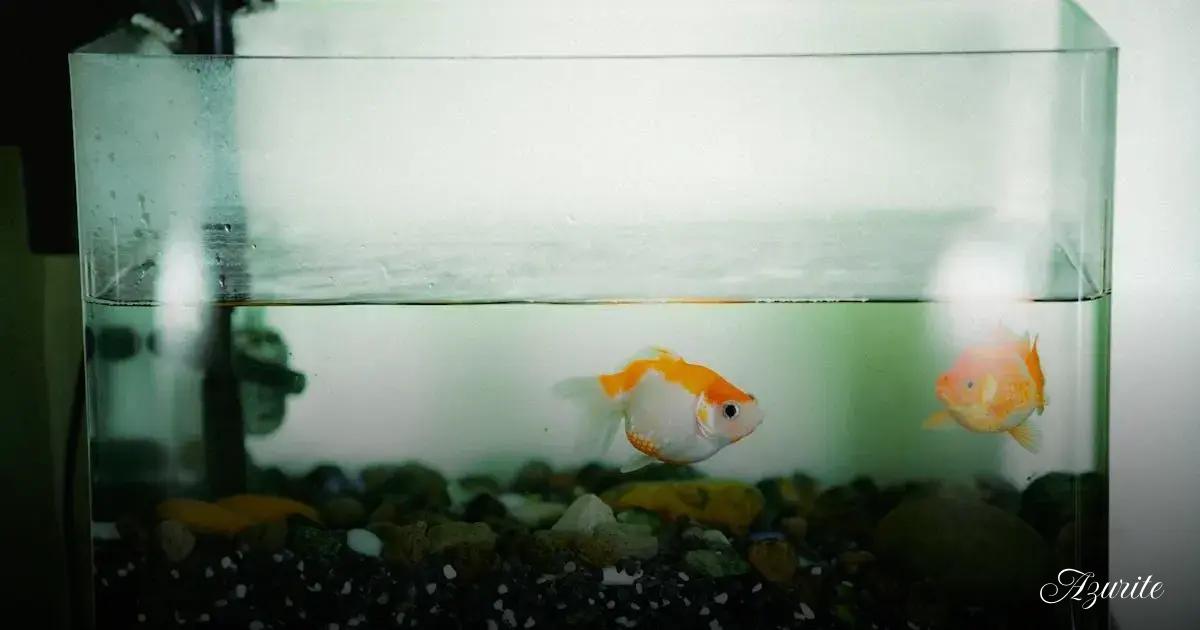
Bettas love exploring and hiding in their environment. The bottom of your tank, called the substrate, is the first step to making a safe home. You should choose smooth gravel or soft aquarium sand. Sharp rocks or glass pieces can easily cut a betta’s delicate fins. A dark-colored substrate is a great choice because it makes your fish’s bright colors stand out and helps them feel much more secure.
Choosing the Best Plants
Live plants are always the best option for your tank. They actually help keep the water clean by soaking up harmful fish waste. Great beginner plants include Java Fern and Anubias. These plants have wide, soft leaves that create perfect resting spots near the water surface. If you prefer fake plants, always pick silk plants instead of plastic ones. Stiff plastic leaves are very sharp and can quickly tear your fish’s beautiful fins.
Creating Hiding Spots for Enrichment
In nature, bettas live in areas filled with thick plants and dark corners. Adding safe decorations gives your fish fun places to explore. Floating plants like frogbit offer great shade and block harsh lights from above. You can also add a smooth cave or a piece of natural driftwood to the tank. These simple items provide excellent enrichment and stop your fish from getting bored or stressed out.
Lighting schedule that supports plants without stressing fish
Bettas need a regular day and night cycle to sleep well and stay healthy. If the tank light stays on all the time, your fish will feel very stressed and tired. However, if you have live plants, they need enough light to make food and grow. Finding the perfect balance keeps both your beautiful fish and your green plants very happy.
Setting a Daily Timer
The easiest way to manage the light is to use an automatic plug timer. You should aim for a lighting schedule of six to eight hours every day. This simple routine gives your aquatic plants plenty of energy to grow strong roots and leaves. At the same time, it stops ugly green algae from taking over your clean water. When the timer clicks off in the evening, your fish knows it is time to rest.
Choosing the Right Brightness
Bettas really do not like harsh, blinding lights. In the wild, they live in dark water shaded by tall grass and trees. If your aquarium LED light is very strong, you can add floating plants to the top of the water to block some of the glare. These plants act like a natural umbrella. They let enough light reach the plants at the bottom while giving your fish a cozy, dim space to relax safely.
Setting up the tank: cycle steps and timelines
Before you bring your fish home, your tank needs to grow good bacteria. This process is called the nitrogen cycle. Without these helpful bacteria, fish waste will quickly build up and make the water very toxic for your new pet.
The Steps to Start a Cycle
To start the process, fill your tank with water and add a safe water conditioner to remove chemicals. Next, you need to feed the invisible bacteria. You can do this by dropping a small pinch of fish food into the water every few days. Make sure your filter and heater are running all day and night. Keeping the water warm helps the good bacteria grow much faster and build a strong colony in your filter sponge.
Understanding the Timeline
Patience is the most important part of setting up a new aquarium. A proper cycle usually takes four to six weeks to completely finish. You should use a liquid test kit to check the water every few days. First, you will see ammonia levels go up. Next, nitrites will appear. Finally, nitrates will show up. Your tank is officially cycled when both ammonia and nitrites drop exactly to zero. Once you see these perfect test results, your tank is safe and ready for a betta fish.
Feeding routine and how to avoid bloating
A betta fish has a stomach that is roughly the size of its eye. Because their stomachs are so incredibly small, giving them too much food is a very common mistake. Overfeeding quickly leads to a swollen belly, known as bloating. This painful condition puts pressure on their internal organs and makes it very hard for them to swim normally.
Choosing High-Quality Foods
Bettas are carnivores, which means their bodies need a diet full of rich protein. You should feed them high-quality betta pellets as their main meal. Always check the label and look for foods where whole fish or shrimp is the very first ingredient. You can also offer tasty treats like freeze-dried bloodworms or live brine shrimp once or twice a week, but only in very small amounts.
Creating a Safe Feeding Schedule
To keep your fish healthy and active, give them just two or three tiny pellets twice a day. If they do not eat everything in two minutes, use a small net to scoop the leftover food out of the tank right away. This keeps the water clean and stops your fish from overeating. Many experts strongly suggest adding a fasting day to your routine once a week. Skipping meals for one whole day gives their tiny digestive system time to completely rest and clear out any trapped food, which is the absolute best way to prevent dangerous bloating.
Cleaning schedule: water changes and filter care
Keeping your betta tank clean is the best way to prevent diseases and keep the water clear. You do not need to empty the whole tank to clean it. In fact, taking all the water out and scrubbing everything will destroy the good bacteria your tank needs. Instead, you should focus on a simple and gentle weekly cleaning routine that keeps the environment stable.
Mastering Weekly Water Changes
For a standard 5-gallon tank, you should aim to change about 20 to 25 percent of the water once a week. Use an aquarium gravel vacuum to carefully suck up fish waste and uneaten food from the bottom of the tank. When you add fresh tap water back into the aquarium, always remember to treat it with a high-quality water conditioner. You must also make sure the new water is the exact same temperature as the tank water so you do not shock your fish.
Proper Filter Maintenance
Your filter works hard to keep the water safe, but it also needs a little care. You should never wash your filter sponge under cold or hot tap water. The chemicals in tap water will quickly kill all the helpful bacteria living inside. Instead, gently squeeze the dirty sponge in a small bucket of old tank water during your regular cleaning routine. This removes the solid waste while keeping the beneficial bacteria completely safe and active.
Signs of stress or illness and what to check
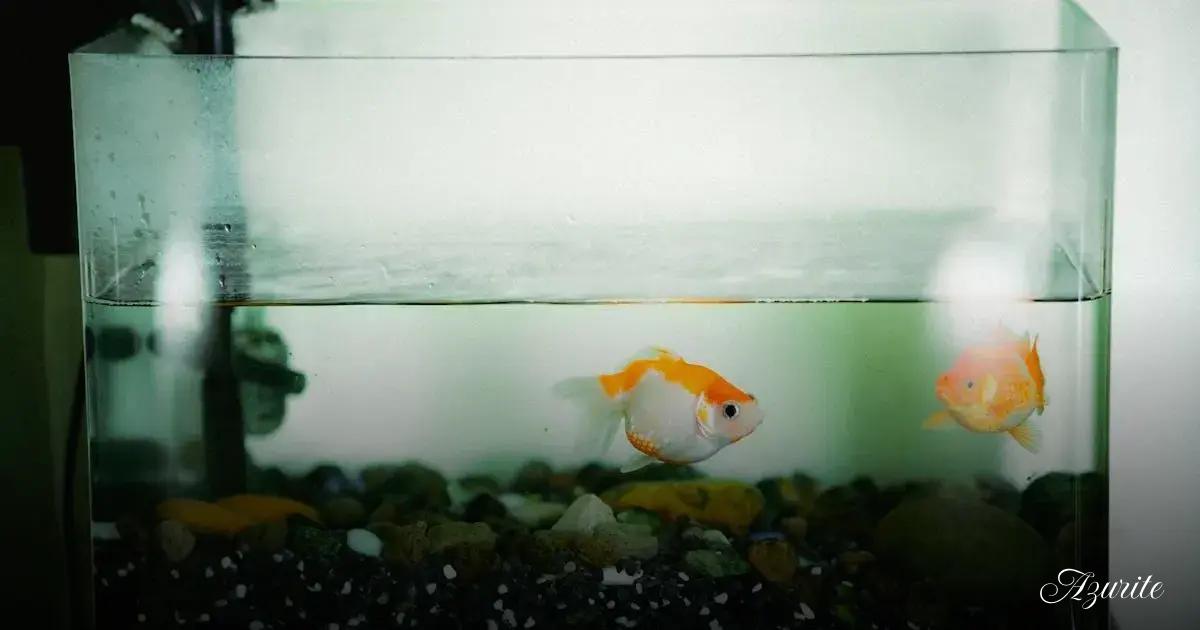
Even with perfect care, your betta fish might get sick or feel stressed. You can usually tell something is wrong just by looking at their daily behavior. If your fish hides all day, refuses to eat, or keeps its fins clamped tightly against its body, it is likely feeling unwell. Fading colors or turning pale are also strong warning signs that your fish needs extra help.
Physical Symptoms to Watch For
Pay close attention to your fish’s body during feeding time. If you see tiny white dots that look like grains of salt, your fish might have a common sickness called Ich. Ripped, black, or bloody edges on their beautiful fins often point to an infection called fin rot. Another major red flag is if your betta stays frozen at the very bottom of the tank or constantly gasps for air at the water surface.
Your First Steps for Recovery
When you notice any of these sick behaviors, do not panic and do not pour random medicines into the water. Your very first step is always to check the tank environment. Look at the thermometer to ensure the temperature is warm and stable. Next, use your liquid test kit to measure the ammonia and nitrite levels. Most of the time, simply fixing cold water or doing a gentle water change is enough to cure your fish and make them active again.
Enjoying Your Happy and Healthy Betta
Taking care of a betta fish does not have to be hard. By setting up a proper 5-gallon tank with a gentle filter and a warm heater, you give your fish the perfect home.
Remember that clean water and a good diet are the keys to a long life. Stick to your weekly cleaning schedule, test your water often, and be careful not to overfeed your tiny friend.
When you provide safe plants to hide in and keep a close eye on their daily behavior, your fish will show off its bright colors and active personality. With a little patience and love, your betta will thrive and bring joy to your home for years to come.
FAQ – Frequently Asked Questions about Betta Fish Care
What is the minimum tank size for a betta fish?
While bettas are often kept in small bowls, they actually need a minimum of a 5-gallon tank to thrive, swim freely, and maintain stable water parameters.
Do betta fish need a heater and filter?
Yes, bettas are tropical fish that require a heater to keep the water between 78 and 80 degrees Fahrenheit. A gentle sponge filter is also essential to keep the water clean without creating a strong current that could stress them.
How often should I feed my betta fish?
You should feed your betta two or three tiny pellets twice a day. Overfeeding can cause painful bloating, so it is highly recommended to introduce one fasting day a week to let their digestive system rest.
How much water should I change in my betta tank?
For a standard 5-gallon tank, you should perform a 20 to 25 percent water change once a week using a gravel vacuum. Never empty the entire tank, as this destroys the beneficial bacteria your aquarium needs.
Why is my betta fish hiding and not eating?
Hiding, refusing to eat, or holding fins tightly against their body are common signs of stress or illness. If you notice these behaviors, immediately check your water temperature and test the water for ammonia and nitrites.
Can I use plastic plants in my betta aquarium?
It is best to avoid plastic plants because their stiff, sharp edges can easily tear a betta’s delicate fins. Live plants like Java Fern or soft silk plants are much safer and provide great resting spots.