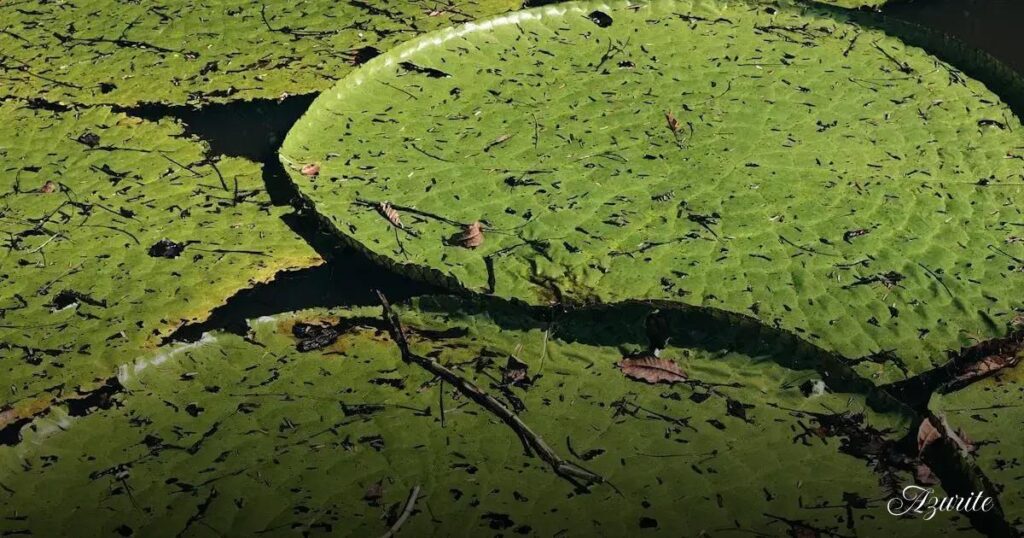
The best low light aquarium plants that don’t need CO2, such as Anubias, Java Fern, and Cryptocoryne, offer beginners an easy way to create a thriving, natural aquatic environment because these hardy species naturally adapt to dim conditions, absorb excess nutrients to prevent algae growth, and provide essential shelter for fish without requiring expensive equipment or specialized care.
Looking for low light aquarium plants that can stay healthy without bottled CO2? Here’s a practical shortlist with hardy options and simple care tips.

Anubias (nana, barteri): attaches to rock and wood, slow growth, near-bulletproof
Anubias plants are some of the toughest options for any beginner. They thrive in low light and do not need extra CO2 to survive. Two popular types are Anubias nana and Anubias barteri. Both are known for their thick, dark green leaves that can handle mistakes easily.
How to Plant Anubias
You should never bury an Anubias plant in the gravel or sand. Instead, you need to attach it to hard surfaces. You can gently tie or glue the plant to driftwood or rocks. The thick green stem at the bottom, called the rhizome, must stay above the soil. If you bury the rhizome, the plant will rot and die.
Growth and Care Tips
These plants grow very slowly. A new leaf might take a few weeks to fully open. Because they grow slowly, algae can sometimes cover their wide leaves. To fix this, you can gently wipe the leaves or place them in shaded areas of your tank. They are truly near-bulletproof and will stay healthy for a long time with just basic care.
Java fern (Microsorum pteropus): shade-loving leaves, rhizome care, easy propagation
Java fern is one of the most popular plants for low-tech tanks. It is famous for its long, textured green leaves. This plant naturally loves the shade and thrives in low-light conditions. In fact, if your aquarium light is too bright, the leaves might turn brown or grow annoying algae. It does best when placed in the dimmer spots of your fish tank.
Proper Rhizome Care
Just like Anubias, Java fern has a thick horizontal stem at its base called a rhizome. You must never bury this part in the substrate. If you cover the rhizome with sand or gravel, the plant will slowly rot and die. Instead, use dark thread or aquarium-safe glue to attach it to driftwood or rocks. Its dark, stringy roots will eventually grab onto the surface tightly, securing the plant in place.
How to Propagate
Multiplying this plant is incredibly easy and happens almost by itself. As the plant matures, you will notice tiny brown spots on the undersides of older leaves. Do not worry, this is not a disease. These spots are actually baby plants starting to grow! Soon, small green leaves and tiny roots will sprout right out of the mother leaf. Once these baby ferns are large enough, you can gently pull them off. You can then attach these new plants to other decorations to fill your tank.
Java moss (Taxiphyllum barbieri): simple covering for driftwood, fry shelter, low maintenance
Java moss is a stringy, green plant that looks like a fuzzy mat. It is perfect for adding natural beauty to your fish tank. You can use it as a simple covering for driftwood and plain rocks. To do this, just wrap a thin layer of moss around the wood and tie it down with dark thread. Over time, it naturally grabs hold and grows into a lush green carpet.
A Safe Shelter for Fry
This moss grows in thick, tangled clumps, making it an amazing hiding spot. If your fish breed, the newborn baby fish, also known as fry, need a safe place to hide from bigger, hungry fish. The tight spaces inside the moss provide the perfect fry shelter. Tiny freshwater shrimp also love to crawl through the dense strands to search for tiny bits of food.
Extremely Low Maintenance
You do not need bright lights or extra CO2 to keep this moss happy. It grows easily in almost any water condition. Because it requires such low maintenance, it is one of the best choices for beginners. If the moss grows too wild or messy, you can simply pull it apart with your fingers or trim it with scissors to keep your tank looking neat.
Crypt wendtii: stable roots, melt recovery, color and size choices
Crypt wendtii is a fantastic choice for the bottom of your tank. Unlike plants you tie to wood, this one needs to be planted deep in the gravel or sand. It grows a huge system of stable roots. Once it settles in, it stays firmly in place. These strong roots help the plant pull important nutrients right out of the soil to stay healthy.
Understanding Melt Recovery
When you first put this plant in your tank, its leaves might turn mushy and fall apart. This common event is called ‘Crypt melt.’ Do not panic or throw the plant away. The roots under the soil are still completely alive. If you just leave it alone, it will show amazing melt recovery. In a few weeks, fresh new leaves will sprout that perfectly match your exact water conditions.
Color and Size Choices
Another fun thing about this plant is the wide variety it offers. You can find Crypt wendtii in many beautiful color and size choices. Some types have bright green leaves, while others are deep brown, bronze, or reddish. They usually stay medium-sized, making them great for the middle of your aquarium. Mixing the different colors adds a very natural and colorful look to your fish tank without needing extra CO2.
Bucephalandra: compact epiphytes, low light tolerance, gentle flow preferred
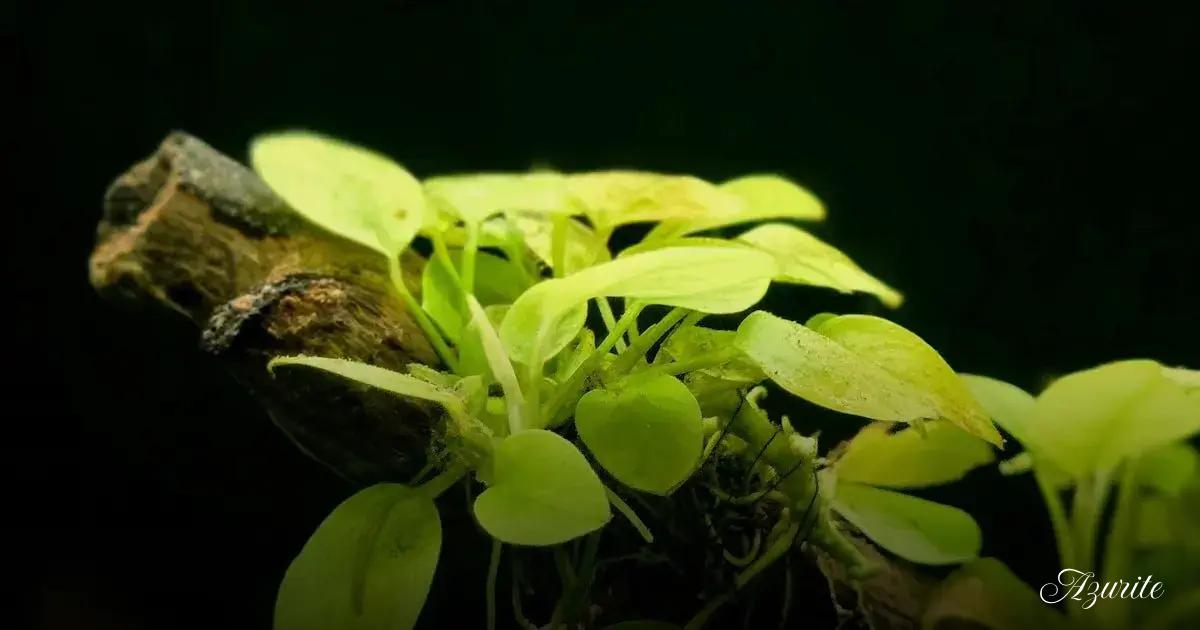

Bucephalandra, often called just ‘Buce’, is a stunning plant for small tank spaces. It is a compact epiphyte, which means it grows attached to hard surfaces instead of being buried deep in the gravel. You can easily tie or glue its small, strong roots to rocks or pieces of driftwood. Because it stays quite small, it fits perfectly in the front or middle areas of your fish tank.
Low Light Tolerance
This plant is very tough and handles dim aquariums perfectly. Its amazing low light tolerance makes it a top choice for setups without extra CO2. While very bright lights can cause algae to cover its slow-growing leaves, low light keeps the plant healthy and clean. The leaves often have tiny, beautiful dots that almost look like they sparkle underwater.
Gentle Flow Preferred
In nature, these plants grow near rocky streams, but in your home tank, a gentle flow is much better. If the water from your filter moves too fast, it can stress the small plant and make it hard for the roots to attach. Placing it in a calm spot helps it grow strong. With just a little patience, this lovely plant will slowly spread and might even reward you with tiny white underwater flowers.
Dwarf sagittaria: low-tech carpeting, runners, trimming and spacing
Dwarf sagittaria is an excellent choice if you want a grassy look in your aquarium without using extra CO2. It is famous for creating a beautiful, low-tech carpeting effect across the bottom of the tank. The leaves look like thick, green blades of grass that provide a great resting spot for small bottom-dwelling fish and shrimp.
Spreading Through Runners
Once this plant settles into your sand or gravel, it spreads by sending out horizontal stems called runners right under the soil. Soon, new baby plants will pop up next to the mother plant. This natural spreading process happens reliably, even in low light, allowing the plant to form a dense green mat over time.
Proper Trimming and Spacing
When you first add this plant to your tank, make sure to leave some room between each small bunch. Good spacing gives the runners plenty of room to stretch out and grow. If the grass gets too tall, you can easily cut the top leaves with aquarium scissors. Regular trimming helps keep the carpet looking neat and trains the plant to grow shorter and wider instead of straight up.
Hornwort: fast nutrient sponge, floating or anchored, algae control help
Hornwort is one of the fastest-growing plants you can put in your tank. It acts like a giant, fast nutrient sponge. Because it grows so quickly, it pulls waste and extra nutrients right out of the water. This helps keep your aquarium water clean and safe for your fish, even if you do not use extra CO2.
Floating or Anchored
You have two easy choices for how to display this plant. You can let it float freely at the top of the water. Many small fish and shrimp love to swim through the soft, needle-like leaves of floating hornwort. If you prefer a tidy look, you can gently bury the bottom stems in the gravel so it stays securely anchored in the background. It does not grow real roots, but it will stay planted if you push it down deeply enough.
Excellent Algae Control Help
One of the best reasons to keep this plant is for algae control help. Algae need extra food in the water to grow and spread. Because hornwort eats up those same nutrients so quickly, there is almost nothing left over for the algae. This natural competition keeps your fish tank clear and beautiful without needing harsh chemicals or special tools.
Subwassertang: versatile clumps, shrimp-friendly, no special lighting
Subwassertang is a unique green plant that looks a lot like underwater seaweed. It does not grow regular roots or stiff stems. Instead, it naturally forms thick, versatile clumps that you can easily place anywhere in your fish tank. You can let it sink gently to the bottom, wedge it between small rocks, or tie it to a piece of driftwood to create a natural green bush.
A Perfect Home for Shrimp
If you keep small freshwater shrimp, this plant is an absolute must-have. The strange, flat leaves overlap to build a dense and safe maze. This thick structure makes it incredibly shrimp-friendly. Baby shrimp can easily hide inside the tight green folds to stay completely safe from bigger, hungry fish. The plant also traps tiny bits of food, creating a wonderful natural buffet for your shrimp to graze on all day long.
No Special Lighting Needed
Taking care of this amazing plant is very easy for beginners. It requires absolutely no special lighting to stay healthy and bright green. In fact, if your aquarium light is too strong, the plant might turn brown or grow messy algae. It truly thrives in the dim, shady spots of your tank. You also do not need to add any extra CO2 or expensive liquid fertilizers to keep it looking great.
Amazon frogbit: floating shade, long roots, nutrient export and light control
Amazon frogbit is a fantastic floating plant that rests right on the surface of your aquarium water. It features smooth, round green leaves that look like tiny lily pads. By covering the top of the tank, it creates a wonderful floating shade. This natural canopy makes shy fish feel much safer, encouraging them to swim around more often instead of hiding.
Long Roots and Light Control
Underneath the floating leaves, this plant grows beautiful, long roots that reach deep into the water. These fuzzy, trailing roots give your tank a wild, natural look and offer a perfect playground for small fish and baby shrimp. The leaves also provide excellent natural light control. By blocking intense light from reaching the bottom of the tank, they naturally stop stubborn algae from growing on your glass and decorations.
Powerful Nutrient Export
Because it floats, this plant gets plenty of air, allowing it to grow very fast without any bottled CO2. As it multiplies, it acts as a powerful tool for nutrient export. Its long roots suck up extra fish waste and harmful chemicals right out of the water. When the plant grows too thick, you can just scoop a few handfuls out and throw them away, permanently removing those extra nutrients from your tank.
Marimo moss ball: slow, tidy spheres, cleaning and placement tips
The Marimo moss ball is a very unique addition to any fish tank. It is actually a special type of algae that naturally grows into completely round, tidy spheres. These green balls grow extremely slowly, usually just a few millimeters every year. Because they stay so neat and small, they are perfect for adding a fun, clean look to the front of your aquarium without any extra CO2.
Easy Placement Tips
You do not need to bury these balls in the gravel or tie them to wood. You can simply drop them into the water and let them sink to the bottom. For the best results, place them in the dimmer spots of your tank. Good placement tips include keeping them away from very bright lights, which can actually cause them to turn brown. It also helps to gently roll them over every few weeks so they get light on all sides and keep their perfect round shape.
Simple Cleaning Process
Over time, these fuzzy balls act like small sponges. They naturally trap fish waste and leftover food inside their soft green fibers. This helps keep your water clear, but the ball will eventually need a quick bath. For a simple cleaning, just take the moss ball out of the tank during your normal water change. Gently squeeze it a few times in a small bucket of old tank water to wash out the trapped dirt, and then put it right back in your aquarium.
Start Your Low-Tech Planted Tank Today
Keeping a beautiful aquarium does not have to be hard or expensive. By choosing the right low light plants, you can build a lush, green underwater world without needing extra CO2 or fancy lights.
Whether you tie tough Anubias to driftwood, plant colorful Crypts in the gravel, or add floating frogbit for shade, there is a perfect plant for your setup. These hardy choices naturally clean your water, fight off stubborn algae, and give your fish a safe place to hide.
Start slowly with just a few of your favorite plants from this list. With a little bit of patience and basic care, your low-tech tank will thrive and bring natural beauty to your home for years to come.
FAQ – Frequently Asked Questions About Low Light Aquarium Plants
Do I really need to add CO2 to keep aquarium plants alive?
No, many hardy plants like Anubias, Java fern, and Java moss can thrive perfectly well in a low-tech setup without any added CO2 or expensive equipment.
Why are my Anubias or Java fern plants dying after I planted them?
You might have buried their rhizome (the thick horizontal stem). These plants need to have their rhizomes exposed to the water, so it is best to tie or glue them to rocks or driftwood instead of burying them in gravel.
What does ‘Crypt melt’ mean and how do I fix it?
Crypt melt is a common event where a Cryptocoryne plant loses its leaves when moved to a new tank. You do not need to do anything to fix it; just leave it alone, and new leaves will grow from the healthy roots in a few weeks.
Which low light plants are best for hiding baby fish and shrimp?
Java moss and Subwassertang are excellent choices. They naturally grow in dense, tangled clumps that provide perfect, safe hiding spots for newborn fry and small shrimp.
How can floating plants like Amazon frogbit help control algae?
Floating plants provide shade by blocking excess light from reaching the bottom of the tank. Their long roots also quickly absorb leftover nutrients from the water, starving the algae so it cannot grow.
How do I properly clean a Marimo moss ball?
Simply take the moss ball out of the tank during your regular water change. Give it a few gentle squeezes in a bucket of old aquarium water to release trapped dirt, roll it lightly to keep its round shape, and put it back in the tank.